


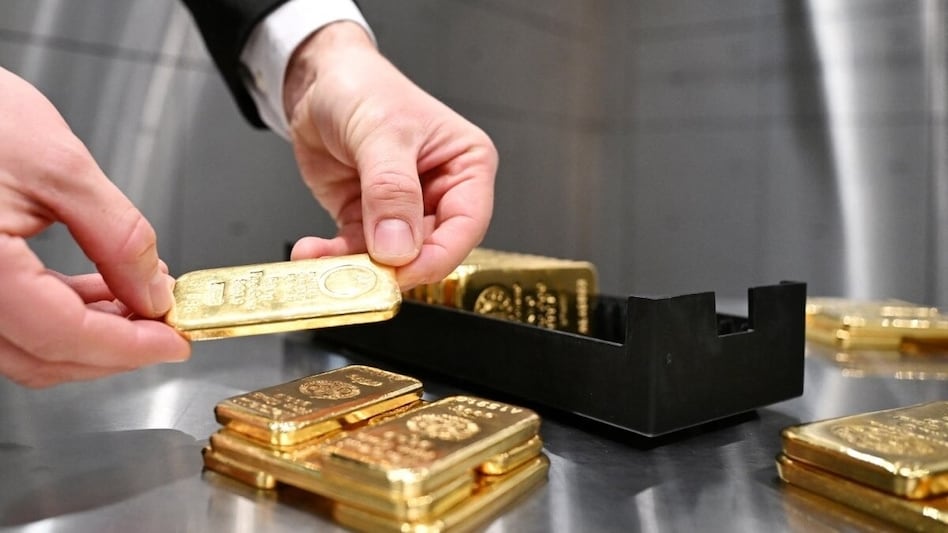
 Fintech ecosystems are making it easier for individuals to invest, track, and liquidate assets in real time.
India’s centuries-old gold-buying tradition may be undergoing a quiet but profound transformation. What looked like a blockbuster festive season on the surface is, in reality, telling a more complex story about how Indians are reshaping their relationship with the yellow metal.
A recent analysis by Archit Gupta, founder and CEO of Clear, suggests that this year’s Akshaya Tritiya — long considered one of the most auspicious occasions to buy gold — was less about increased consumption and more about a structural shift in investment behavior.

 UPI stays free: Finance Ministry bars charges on transactions up to Rs 2,000
 'Today is your last working day': Oracle begins new round of layoffs; here's what the shocking 6 am email says
 Home Ministry calls meeting after three Italian nationals fly out of country without immigration process
 Houthis attack Saudi Arabia airbase as Hormuz talk stalls; oil climbs to nearly $107
 REIT returns are not just about rental income: 65-70% comes from capital gains
 Why Crude Oil Prices Are Rising Again Now?
 Modi Xi Meet After 7 Years In India Signals Possible Reset In Bilateral Ties
 BRICS Summit 2026: India Secures New Delhi Declaration After Intense Negotiations
 BRICS Summit 2026: Modi’s Big Diplomatic Win As New Delhi Declaration Gets Backing
 Dario Amodei, Sam Altman, Elon Musk Back AI Slowdown Call Amid Growing Safety Concerns
 eMudhra shares surge 20% in early deals; here's why
  Pranav Constructions made a strong stock market debut; shares list at 33% premium
 Solar Industries shares fall 4% after Omnia deal: Morgan Stanley, Antique targets
 PNC Infratech shares tumble 20% to hit 52-week low; here's why
 Tata Group stocks: Tata Chemicals, Tata Investment, TCS, Tata Tech rise up to 20%; here's why
  iPhone 18 Pro, Pro Max variable aperture camera explained: What it actually doeseMudhra shares surge 20% in early deals; here's why Pranav Constructions made a strong stock market debut; shares list at 33% premiumHome Ministry calls meeting after three Italian nationals fly out of country without immigration processSolar Industries shares fall 4% after Omnia deal: Morgan Stanley, Antique targets












