


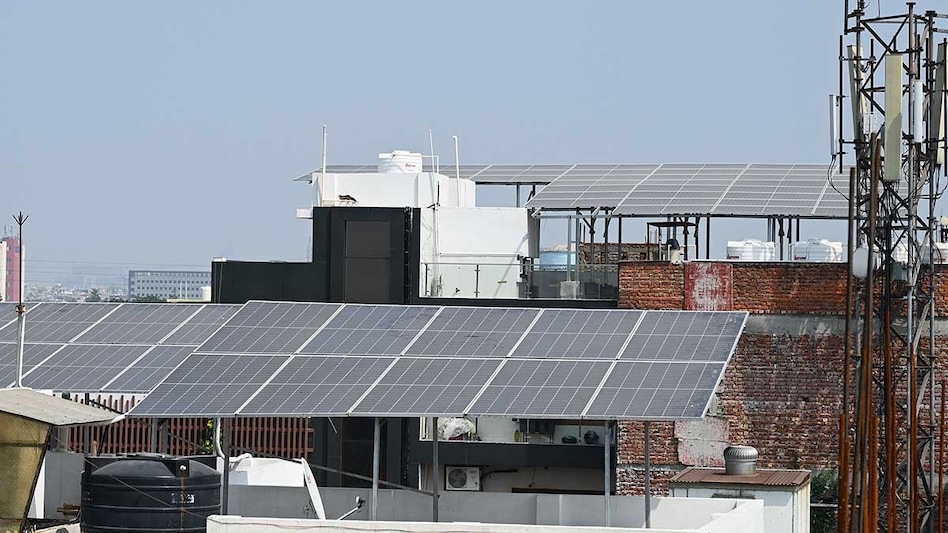
 Typical solar loans ranging between Rs 1 and 2 lakh come with monthly EMIs of just Rs 2,000–Rs 3,000 — often matching or undercutting average monthly electricity bills.
As electricity costs climb steadily across India, rooftop solar installations are fast evolving from an eco-friendly luxury to a mainstream household investment. Residential systems now cost between Rs 1.2 lakh and Rs 2.5 lakh, depending on size and configuration. After factoring in government subsidies under the PM Surya Ghar Muft Bijli Yojana, homeowners can expect effective costs to fall sharply to Rs 60,000–Rs 90,000 — a tipping point that’s fuelling nationwide adoption.
Industry experts such as Swapnil Wakade and Anil Gupta note that rooftop solar is now one of the most financially viable home improvements, with payback periods as short as four to six years. The economic appeal has deepened as power tariffs rise across states, making solar not just an environmental decision but a practical cost-saving one.

 'RBI letter does not mention listing': Noel Tata seeks full briefing on Tata Sons-RBI talks
 Tata Trusts asks Tata Sons to explore options other than listing, says ‘Tata Model has to be saved’
 Tata Trusts proposes ₹25,000 crore plan for SP Group, says Tata Sons listing is not an option
 Chandrasekaran had assured all necessary steps were being taken to remain private: Noel Tata
 'We cannot put the cart before...': Noel Tata's argument against N Chandrasekaran's reappointment
 Corporate Health Insurance Vs Retail Policy: Why You Need Personal Health Cover Too
 How India Changed In 12 Years: PM Modi’s Journey From Economic Reforms To Viksit Bharat
 Modi @76: From Twitter To Instagram, How His Digital Outreach Has Evolved
 Stock Picks To Watch: Shibani Kurian Reveals Kotak AMC’s Market Bets
 Gold ETF vs Physical Gold: Know the Tax Rules, Charges and Key Differences
 Hero Motors IPO subscribed 3.37 times on Day 2; retail portion subscribed over 5 times
 NSE IPO: India's largest exchange gets 43% subscription on Day 1; NIIs, retail see strong demand
 Rentomojo shares settle maiden trade nearly 32% above IPO price; what should investors do now?
 Sensex slips, Nifty settles higher; Tata stocks gain after N Chandrasekaran reappointment
 Cochin Shipyard, KRBL, RITES, Ramky Infrastructure among stocks to turn ex-dividend on September 18
 Venezuela introduces new PRO-V-90 visa for foreign professionals; key details for Indians
 iPhone Duo won’t go on sale on Sept 18: Here’s when you can buy Apple’s first foldable
 Moon took a massive hit: Why nobody noticed this giant crater at first
 Not clay, but pani puri: Pune's 13-foot Ganpati is made from 21,000 shells
 Fireballs after dark: 5 autumn sky events you won't want to sleep through












