


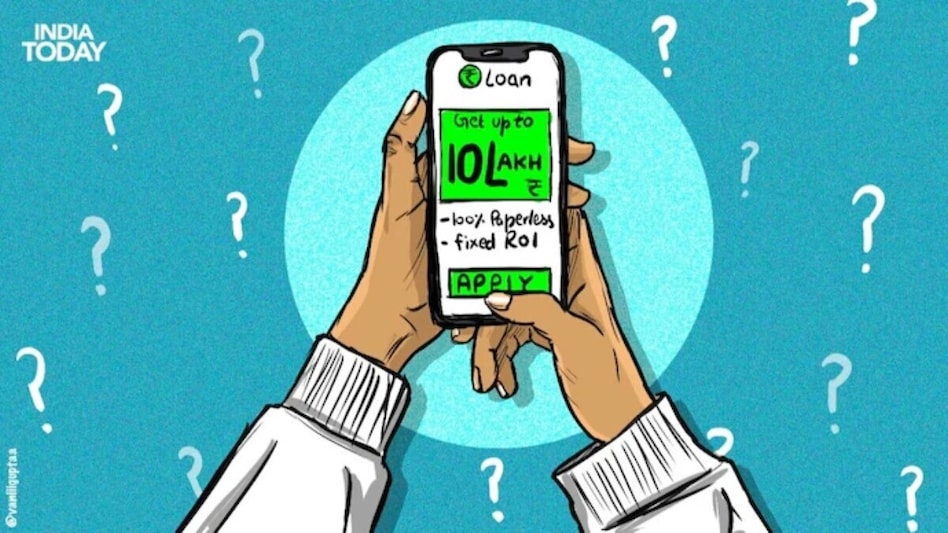
 The rise of digital loans has been driven largely by younger consumers seeking quick access to funds.
India's digital lending boom has brought unprecedented convenience to borrowers, but it has also exposed consumers to exorbitant borrowing costs that can turn small loans into crippling liabilities. Investigations and borrower complaints suggest that some unregulated instant loan apps are charging effective annualised interest rates ranging from 200% to over 700%, raising concerns about predatory lending practices and growing debt traps, an expert panel report, "72% of Distressed Borrowers Face Harassment: The Dark Reality Behind India's Digital Lending Boom" stated.
Rise of digital loans

 CJP protest: Abhijeet Dipke, Saurav Das & Ashutosh Ranka released by Executive Magistrate court
  Starlink entry: Elon Musk hints at competitive pricing to crack Indian market, slams trolls
 BT Market Outlook: The drivers, risks and opportunities for the week ahead
 Who is Ajinkya Shinde? All about CJP leader who is guiding the movement after Dipke's arrest
 UK overtakes China as biggest source of gold ETF inflows in 2026: What is driving the surge?
 REIT Returns Explained: Income, Capital Gains & Risks Investors Need To Know
 REIT Risks Explained: Key Factors Investors Must Check Before Investing In Commercial Real Estate
 Will IRDAI’s Broker Commission Crackdown Make Insurance Cheaper For Consumers?
 5 Reason Why Cheap Premium Insurance May Not Be The Best Choice
 Health & Life Insurance: How Much Cover Do You Really Need? Expert Explains
 BT Market Outlook: The drivers, risks and opportunities for the week ahead
 Market on the back foot, opportunities ahead: where should investors put their money?
 Poonawalla Fincorp Q2 earnings: Net profit zooms 405%, NII at Rs 1,589 crore
  Vedanta, TCS shares to turn ex-dividend; Ola rights issue; 2 stock splits next week
 IPO rush: Rs 50,000 crore worth IPOs to hit Street by Diwali; Jio, Avada to lead fundraiseWho is Ajinkya Shinde? All about CJP leader who is guiding the movement after Dipke's arrest
 'Concerns misplaced': India slams UN rights body over Delhi protest remarks, demands equal scrutiny
 CJP protest: Imran Khan’s ‘police van drive’ ends at home; Dhruv Rathee also released
  Standoff deepens: CJP issues fresh 10 am protest call at Jantar Mantar after police actionCJP protest: Abhijeet Dipke, Saurav Das & Ashutosh Ranka released by Executive Magistrate court












