


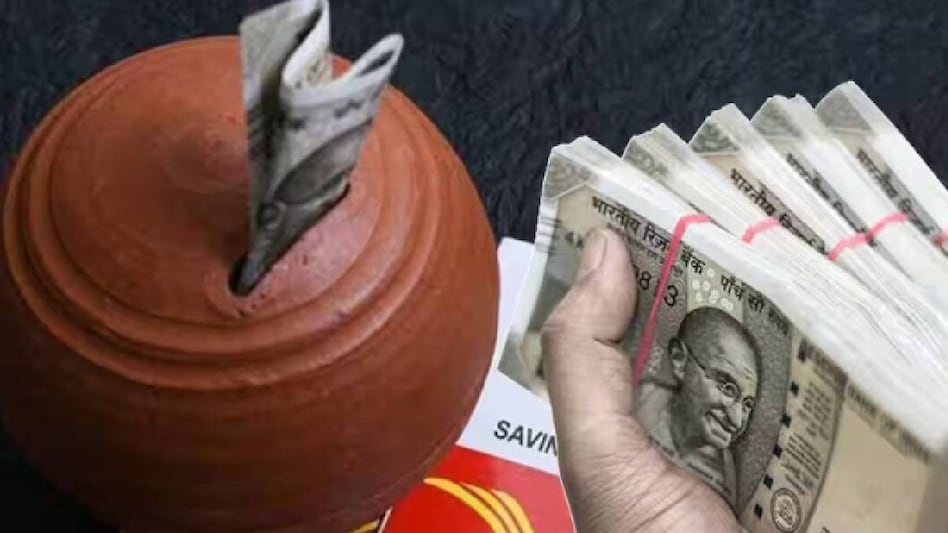
 Banks and the post office offer RDs across different tenures, with interest rates varying according to the duration and, in some cases, the depositor's age.
Recurring Deposits (RDs) remain a popular savings option for investors who want to build a corpus through fixed monthly contributions while earning assured returns. Unlike market-linked investments, an RD allows investors to deposit a predetermined amount every month for a fixed tenure, with the applicable interest rate locked in when the account is opened.
Banks and the post office offer RDs across different tenures, with interest rates varying according to the duration and, in some cases, the depositor's age. State Bank of India (SBI), ICICI Bank, Punjab National Bank (PNB) and the Post Office are among the options available to savers.

 India to face 100% tariffs? US House moves Russia Sanctions bill, final vote tomorrow
 'Important step': RBI backs new UPI charges, says all transactions remain free for users
 Mecca on air alert: Saudi Arabia issues first-ever warning amid Houthi attacks in West Asia
 From floor trading to free cash flow: What NSE achieved in 32 year journey — numbers tell story
 UPI MDR rules explained: Where will you pay more from October 15? Check charges and exemptions
 Crude Oil Price Surge: Will Petrol And Diesel Prices Rise In India?
 Market Commentary: Sharad Avasthi On Nifty, Stocks & The Next Big Move
 RBI Files Caveat In Bombay HC Ahead Of Tata Sons Appeal | Tata Group Stocks | Tata Chemical Shares
 NSE IPO Explained: Price Band, Valuation, Growth Potential And Key Risks
 Stock Market Falls As Crude Oil Nears $110 & Weak Rupee | Stock Market News
 Nifty, Sensex, Nifty Bank outlook for today: GIFT Nifty up 3 points; key levels & triggers to watch
 Top stocks in news: Groww, Kanohar, BHEL, Glass Wall, Auro Pharma, GMR Airports, Prasol, NBCC From floor trading to free cash flow: What NSE achieved in 32 year journey — numbers tell story
 UPI MDR revision from Oct 15: Mutual funds, securities, stockbrokers to attract 0.02% charge; check details
 CDSL shares slip 4%; brokerage upgrades stock to 'Buy': Check revised targetNifty, Sensex, Nifty Bank outlook for today: GIFT Nifty up 3 points; key levels & triggers to watchMecca on air alert: Saudi Arabia issues first-ever warning amid Houthi attacks in West Asia
 Quote of the Day by Narayana Murthy : 'Nobody is bothered about an institution more than its alumni'Top stocks in news: Groww, Kanohar, BHEL, Glass Wall, Auro Pharma, GMR Airports, Prasol, NBCC
  Petrol, diesel prices today, September 16: Check latest rates in Delhi, Mumbai, Chennai, Kolkata & more












