


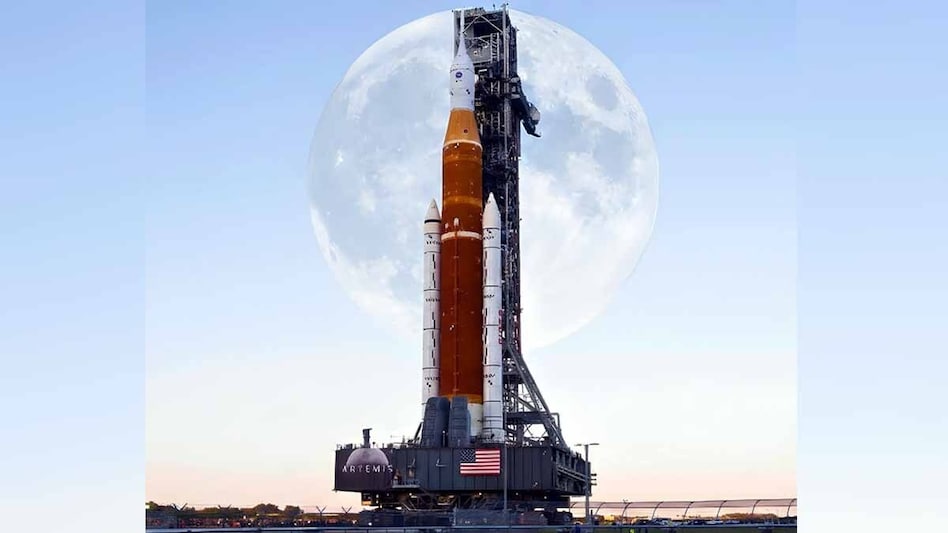
 Artemis II is not just a standalone mission—it is a systems test for future lunar landings and long-term Moon exploration.
NASA’s Artemis II mission, the first crewed lunar flight in more than 50 years, is part of a programme that has already run into tens of billions of dollars, with costs largely borne by US taxpayers and supplemented by international and private-sector partners.
The mission itself does not have a publicly disclosed standalone price tag, but credible estimates from government audits suggest that each Artemis launch—including the Space Launch System (SLS) rocket and Orion spacecraft—costs over $4 billion, according to a report by Bloomberg.

 Tata Trusts opposes N Chandrasekaran reappointment, says board resolution is ‘legal nullity’
 'It is now time to move on': Noel Tata opposes Chandrasekaran's fresh term at Tata Sons
 N Chandrasekaran reappointed for 5 yrs as Tata Sons Chairman; board approves public listing
 Tata Sons IPO: Board approves listing on stock exchanges
 NSE IPO day 1 update : Issue subscribed 31% so far; NIIs, employees lead bidding | Key details
 NSE Vs BSE Valuations: Gaurang Shah Compares India's Leading Stock Exchanges And Their Growth
 Commodity Outlook LIVE | What's Next For Gold, Silver & Crude Oil
 NSE IPO : Can India's Stock Market Growth Drive Long-Term Wealth Creation?
 NSE Anchor Book Gets 20X Demand: Gaurang Shah On Investor Confidence & Valuation
 NSE Outlook Should Investors Subscribe At ₹1,785? Gaurang Shah On Valuation & Risks
 Sensex slips, Nifty settles higher; Tata stocks gain after N Chandrasekaran reappointment
 Cochin Shipyard, KRBL, RITES, Ramky Infrastructure among stocks to turn ex-dividend on September 18
 Kalyan Jewellers, PC Jeweller, Thangamayil Jewellery, Titan: Jewellery stocks suffer double whammy; here's why
  Tata stock to buy: Jefferies says buy this stock for 23% upside
 Nalco shares: Buy, hold or sell? Target price after 14% rise this yearSensex slips, Nifty settles higher; Tata stocks gain after N Chandrasekaran reappointment
 Going home to Bihar for Diwali or Chhath? New Delhi–Darbhanga special train dates and timings are hereCochin Shipyard, KRBL, RITES, Ramky Infrastructure among stocks to turn ex-dividend on September 18'It is now time to move on': Noel Tata opposes Chandrasekaran's fresh term at Tata SonsKalyan Jewellers, PC Jeweller, Thangamayil Jewellery, Titan: Jewellery stocks suffer double whammy; here's why












