


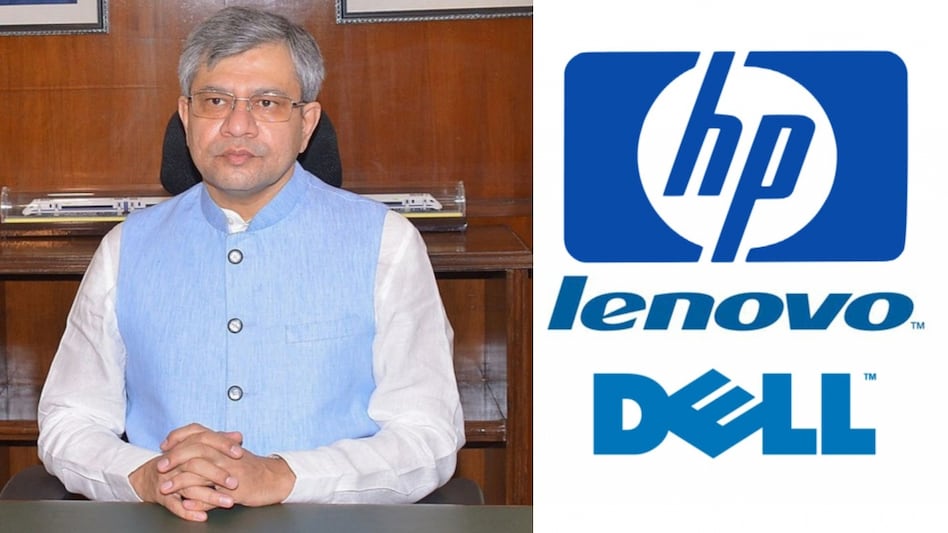
 "These 27 companies will lead to Rs 3,000 crore, direct employment of 50,000, and indirect employment of 1,50,000," Ashwini Vaishnaw said.
The Indian government's announcement of approvals for Production Linked Incentive (PLI) schemes in the IT hardware sector signals a significant stride in boosting domestic manufacturing. Ashwini Vaishnaw, Minister for Electronics and Information, revealed that 27 companies have secured approval.
Vaishnaw highlighted that 23 of these endorsed companies are poised to commence manufacturing operations immediately, while an additional four will initiate within the next 90 days. This development is projected to inject a staggering Rs 3,000 crore into the industry, resulting in direct employment for 50,000 individuals and indirect opportunities for 150,000 more.
 Bangladesh-Pakistan ties: What Dhaka’s interest in Saudi-Türkiye defence pact means for India
 AI jobs rise 51% in India, but 75% of job skills could change by 2030: LinkedIn India head
 From small loans to big businesses : How rural women are changing India’s microfinance story
 RBI forex swap facility draws $72.85 billion inflows, FCNR(B) deposits account for bulk
  JioBlackRock Mutual Fund revises 6 schemes, adds gold, silver ETFs to flexi cap fund allocation
 Rental Income Tax: 3 Key Deductions Every Senior Citizen and Property Owner Should Know
 Meta’s $200 Billion Trial: Did Instagram & Facebook Keep Kids Hooked?
 Motor Insurance Explained: Is Third-Party Car Insurance Enough? Know Before You Buy
 Retirement Tax Planning: 5 Ways Senior Citizens Can Reduce Their Tax Liability
 #IndiaAt100 : Adipen Bose Nandhiji On Conscious Capitalism- Can Profit & Purpose Coexist?
 Crompton Greaves says no plan to sell stake, expects revenue to double by FY31
 Gaja Alternative Assets IPO: 3 ways to check application status; allotment odds, GMP, listing date
 FII sentiment shows early signs of turnaround after months of selling: Report
 ₹24,800 crore bill: How transaction costs are eating into retail derivatives trading
 Cupid, NTPC Green, NTPC, Raymond Realty, HAL shares: Key technical levels to watch
 Numero Uno Gujarat: How Gujarat, the growth giant, is attracting massive investments in manufacturing
 Govt scraps 12-minute ad cap on TV channels to level playing field with digital media
 Gold ETFs attract ₹1,179 crore in first half of August even as prices rebound: What is driving investor demand?
 How We Did It: The methodology behind the ranking of India’s Top 10 manufacturing states
 Maharashtra CM Devendra Fadnavis on the state's $100-bn infra-ambition












