


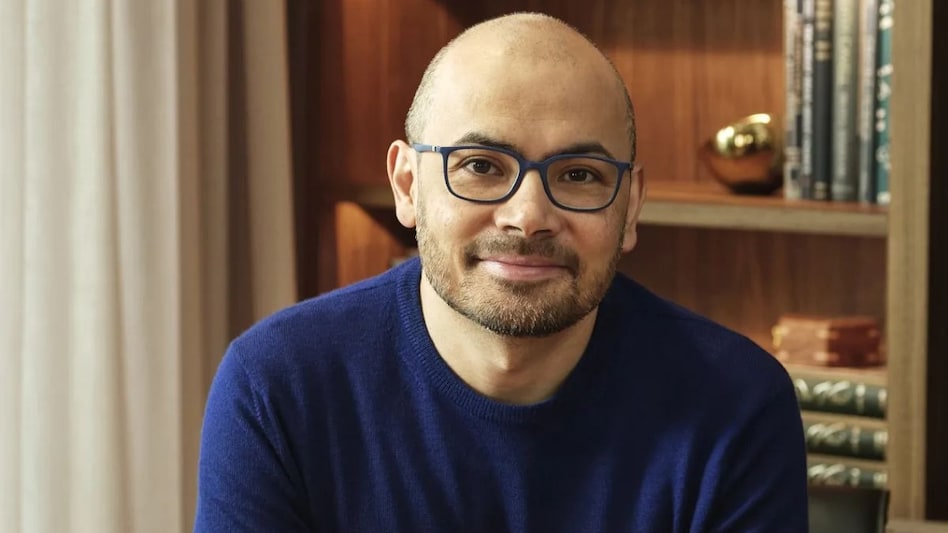
 DeepMind CEO Demis Hassabis
As artificial intelligence continues to evolve at breakneck speed, its impact on the future of work remains a growing concern. From Amazon to Nvidia, tech leaders have begun openly acknowledging that AI will reshape the global workforce. But according to Google DeepMind CEO Demis Hassabis, not every role is equally at risk.
Speaking in a recent interview with Wired, Hassabis explained that AI systems are already becoming useful in healthcare, reading medical scans, analysing lab reports, and even proposing treatment plans. “You can imagine a future where AI helps with, or even performs, diagnosis,” he said. AI is particularly good at processing large volumes of complex data, which could make it an indispensable partner to doctors in the coming years.

 IDBI Bank employees and pensioners have nothing to fear: DIPAM Secretary
  'I wish I was 20 years younger': Sunil Mittal on India's next 20 years, recalls OneWeb pitch to Rishi Sunak
 RIL group to become India's largest conglomerate by m-cap after Jio IPO: Uday Kotak
 NDMC announces two-day closure of Connaught Place's Central Park ahead of CJP's 'Lehra Do Tiranga' march on Friday
 IDBI Bank sale to Fairfax faces union resistance, black-badge protest on October 16
 Jio Platforms IPO: ₹30,000 Crore Issue Opens October 21, Valuation At ₹10.3 Lakh Crore
 Weekend OTT Releases: The Diplomat 4, Aasha, Sacrifice And More
 How Jio Transformed India From Data Scarce to Data Abundant! | Akash Ambani | Jio Platforms IPO
 Akash Ambani Decodes Jio's Financial Muscle | Reveals The 5 Key Business Drivers | Jio Platforms IPO
 From Dhirubhai’s 1977 IPO to Jio's Mega Launch | Uday Kotak Calls Jio IPO a ‘Moment in History’
 RIL group to become India's largest conglomerate by m-cap after Jio IPO: Uday Kotak
 Gold eyes sharp recovery; can MCX prices hit Rs 1.5 lakh? Vandana Bharti explains
 Tech Mahindra Q2 results: PAT rises 33% YoY to Rs 1,586 crore; recommends 1:1 bonus issue
 Jio Platforms IPO: How HFCL promoter Mahendra Nahata's investment could rise over 110 times
 South Indian Bank shares hit 52-week high on Q2 earnings, close higher
  Top 5 Biggest IPOs In India: Jio Set To Break Hyundai’s Record With ₹30,213 Crore Issue
 PM Modi Meets Indian Athletes After Asian Games 2026, India Wins 85 Medals
 Supreme Court Strikes Down ₹8,415 Crore AT-1 Bond Write-Off For Yes Bank | What Happened?Jio Platforms IPO: ₹30,000 Crore Issue Opens October 21, Valuation At ₹10.3 Lakh CroreIDBI Bank employees and pensioners have nothing to fear: DIPAM Secretary












