


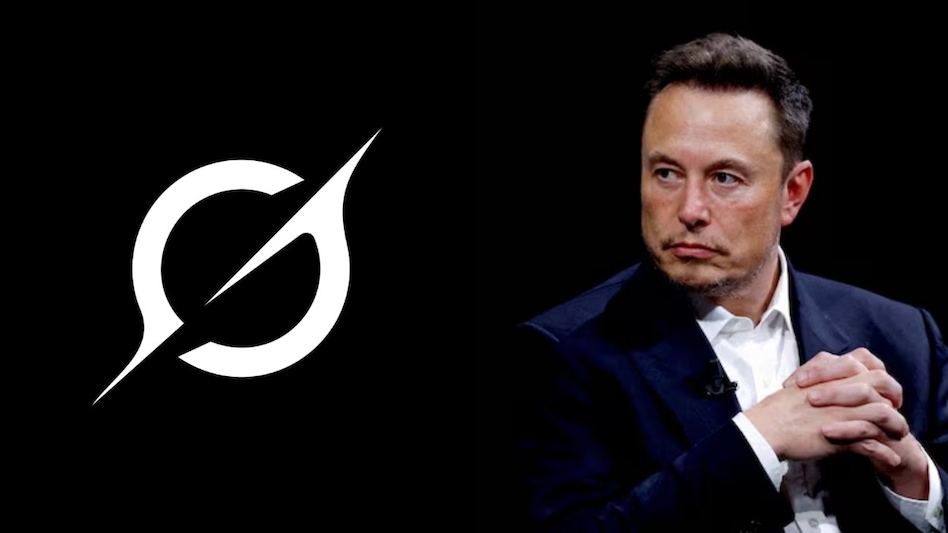
 Elon Musk
Elon Musk has sparked a fresh debate on the future of artificial intelligence (AI) after posting on X (formerly Twitter) that his chatbot, Grok, should have a “moral constitution”. The post follows a period of intense global scrutiny after the AI tool was misused to generate and circulate obscene, non-consensual images of women and children.
The billionaire’s remark represents a significant shift in tone for a platform that has often prided itself on being “unfiltered”. As governments in the UK, India, and the European Union launch investigations into the tool’s safety guardrails, the tech industry is watching closely to see how such a “constitution” might change the bot’s behaviour.
 ‘75% of global trade will be covered’: Piyush Goyal says India is negotiating FTAs with other 8-9 blocs
 Kalyan Jewellers shares up 72% in 3 months: Buy, sell or hold? Check target price
 Why Vishal Mega Mart shares jumped 11% in early trade
 GRSE shares rise after Rs 2,670 crore capacity expansion plan; stock reacts
 Google’s Fitbit Air makes an early retail store debut in India ahead of October launch
 Sugar Prices Surge Ahead Of Festive Season: Will Government Steps Bring Relief To Consumers?
 Latest Tech News | Samsung Galaxy S26 FE, Steve Jobs Project & Smartphone Price Hikes! | Business Today
 Tech Gear EP 15 | Pixel 11 Unboxing, Fujifilm House Of Photography, CMF Buds| Business Today
 Retirement Does Not Mean Tax-Free Income: Know When Pension And Other Income Is Taxable
 How Retirement Income Is Taxed And What Investors Need To Know
 UBS target lifts Apollo Tyres shares; Narayana Hrudayalaya rise after HSBC rating upgrade
 Priority Jewels IPO to open on August 28: Check price band, other key details
 Persistent, Mphasis stocks top Anand Rathi's IT bets; brokerage sees turnaround potential in MastekKalyan Jewellers shares up 72% in 3 months: Buy, sell or hold? Check target priceGRSE shares rise after Rs 2,670 crore capacity expansion plan; stock reacts
 'Normal practice ahead of any VVIP visit': India responds to US envoy's 'no questions' remarksUBS target lifts Apollo Tyres shares; Narayana Hrudayalaya rise after HSBC rating upgradeSugar Prices Surge Ahead Of Festive Season: Will Government Steps Bring Relief To Consumers?Latest Tech News | Samsung Galaxy S26 FE, Steve Jobs Project & Smartphone Price Hikes! | Business TodayTech Gear EP 15 | Pixel 11 Unboxing, Fujifilm House Of Photography, CMF Buds| Business Today












