


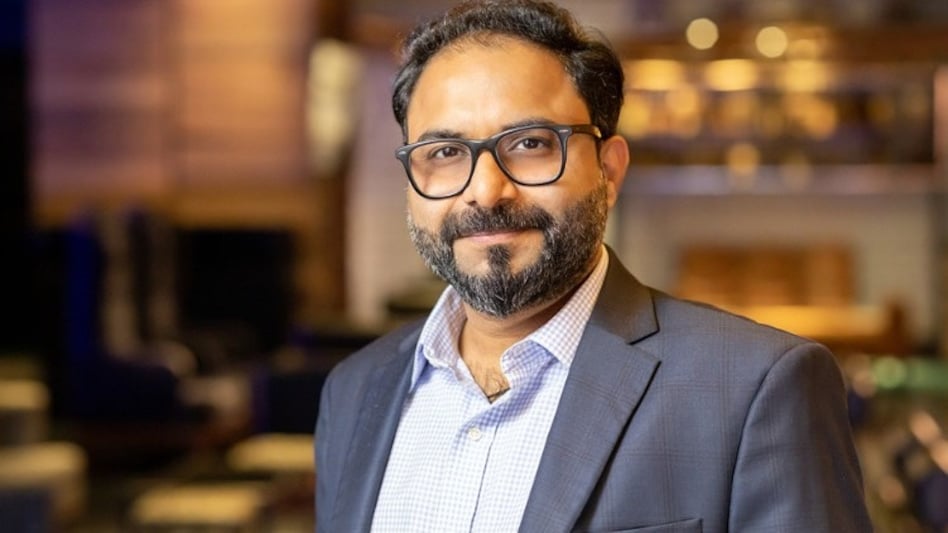
 According to Rubal Sahni, Area Vice President & Country Manager, India at Confluent, the biggest challenge lies in what he describes as a “modernisation paradox”.
India stands at a pivotal moment in its artificial intelligence journey, with the scale of its digital ecosystem offering a “once-in-a-lifetime opportunity” to shape the global data economy. However, unlocking this potential will depend on how quickly enterprises move beyond legacy systems and embrace real-time data infrastructure.
According to Rubal Sahni, Area Vice President & Country Manager, India at Confluent, the biggest challenge lies in what he describes as a “modernisation paradox” — where the most valuable enterprise data remains trapped in outdated systems.

 Jio Platforms IPO: Price band announced at Rs 1,065-1,119; set to become India's biggest public issue
 Jio Platforms files RHP for IPO of up to 27 crore shares; issue to open on October 21
 IDBI Bank stake sale is the largest FDI deal till date; Centre, LIC to continue to remain invested
 'My satellites have been hovering for 5 years, I'm ahead of Musk in the queue,' says Sunil Bharti Mittal
 Henley Passport Index 2026: Indian passport climbs to 84th rank, visa-free countries falls to 55
 IMC 2026: The Biggest Tech Innovations You Need To See!
 What Is A Specialized Investment Fund (SIF)? SIF Vs Mutual Funds Explained
 This Week In Cinema: Jailer 2, Ranabaali, Prahaar, Nayyi Navelli & Street Fighter Hit Theatres
 India Inflation Shock: WPI Hits 11.39%, CPI At 5.54% As Crude Oil Touches $107 A Barrel
 Cabinet Approves IDBI Bank Stake Sale to Fairfax: Is the Stock Still a Buy?
 Jio Platforms IPO: Price band announced at Rs 1,065-1,119; set to become India's biggest public issueJio Platforms files RHP for IPO of up to 27 crore shares; issue to open on October 21
 Tata Tech Q2 profit rises 4% to Rs 171 crore; revenue jumps 28%
 Hyundai Motor India to invest up to Rs 11,000 crore in Pune plant
  HDB Financial Q2 PAT climbs 34% to Rs 780 crore; stock slips 4%
 SpaceX restricts Starlink services in Ukraine, disrupting military drone missions: ReportIMC 2026: The Biggest Tech Innovations You Need To See!
 India Hits Back At UN Human Rights Body Over Delhi Protest Remarks | MEA's Strong Response
 Diwali Gift For Railway Employees: Cabinet Clears 78 Days’ Productivity Linked Bonus
 Tonbo Imaging India IPO GMP At 72% Ahead Of Issue Opening Tomorrow; Check Key Details












