


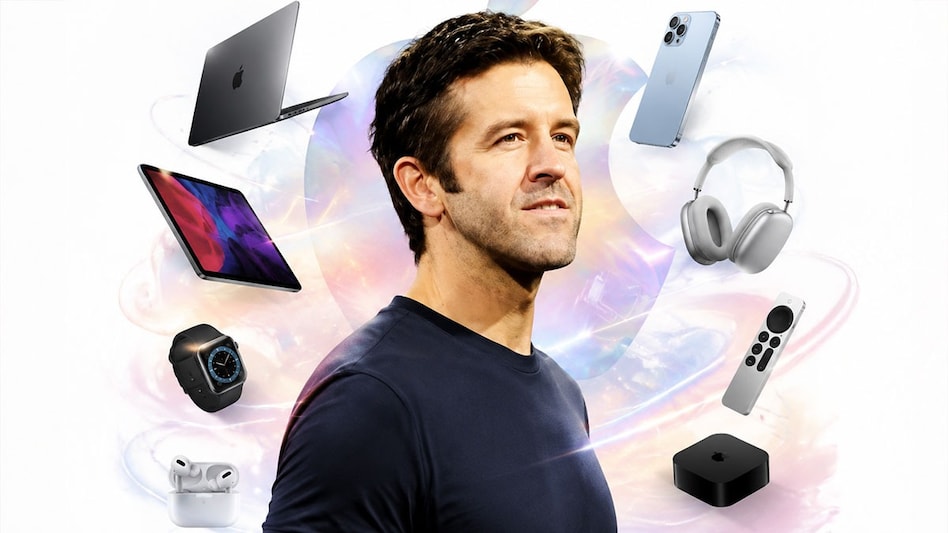
 Apple’s reported product roadmap under John Ternus could span foldables, AI and smart devices.
Apple’s leadership has changed, but the bigger shift could be visible in the products coming next. After years of incremental updates across its existing devices, the company is reportedly preparing a much broader hardware pipeline for its new CEO, John Ternus.
Must Read: Tim Cook leaves a trillion-dollar machine. John Ternus must build Apple’s next growth story

 Subway's Indian parent EverBrands files DRHP with SEBI to launch its IPO; check details
 Reliance, Nayara restrict fuel sales as crude hits $107 and retail prices stay frozen: Report
 GST compliance burden weighs more heavily on smaller unincorporated firms
 No social media for under 18s? Centre mulls new safeguards after SC raises concern
 BT BIG STORY: Why crypto is still thriving among Indian investors
 Tata Vs Tata: The iPhone, Ram Mandir Connection That Could ‘Rescue” Tata Sons
 Market Crash Or Value Trap? | Oil Above $100 Vs Stock Market Crash | Dinshaw Irani | Helios Capital
 What’s Hot: Stocks, Gold & Big Money Moves | Daily Markets Show | September 29 | Business Today
 Why Global Airlines Are Rushing to India's Untapped Aviation Goldmine | Rammohan Naidu
 EAM Jaishankar On US-India Ties As World Moves Towards A More Multipolar Order
 India could add 100 million new long-term investors by 2035: EYSubway's Indian parent EverBrands files DRHP with SEBI to launch its IPO; check details
 Indegene (NSE: INDGN) draws fresh brokerage interest; 5 shareholders own 25% stake; hits 52-wk high
 Bondada Engineering wins orders across Gujarat, Maharashtra, Uttar Pradesh; shares gain
 Coforge appoints Akhil Gupta as Chairperson; check stock reaction
 India is Building More Airports Than Singapore, Vietnam & Cambodia Combined
 Rammohan Naidu Reveals How India Will Become The No. 3 Aviation Market In The World
 8 Key Reasons Behind Market Crash!
 Essar’s Rewant Ruia Calls $15 Billion US Investment A ‘True Homecoming’Tata Vs Tata: The iPhone, Ram Mandir Connection That Could ‘Rescue” Tata Sons












