


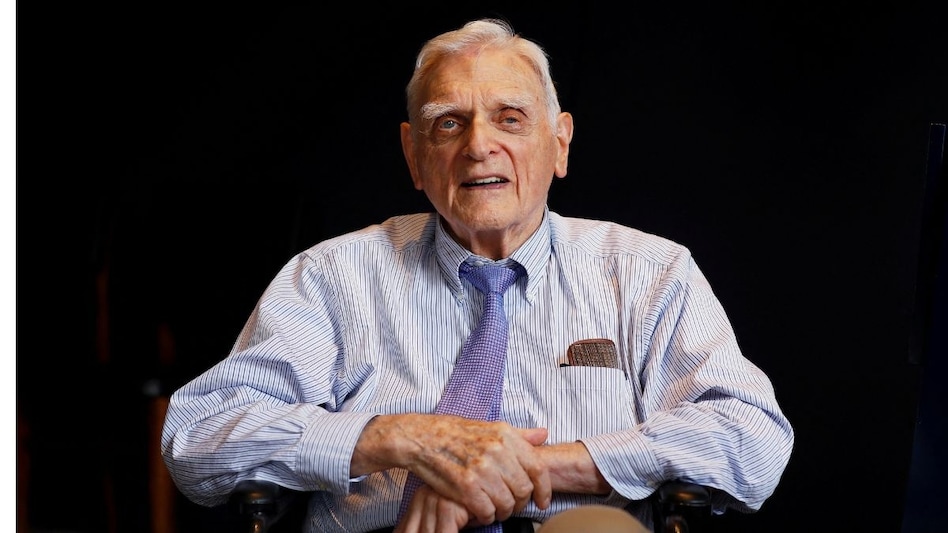
 John B. Goodenough dies at the age of 100
The lithium-ion battery is one of the most important inventions in the world of science and technology. Nobel laureate, John B. Goodenough, the pioneer of the development of lithium-ion batteries that are used in millions of electric vehicles all around the world, has died at the age of 100.
Goodenough received the 2019 Nobel Prize for Chemistry- along with Britain’s Stanley Whittingham and Japan's Akira Yoshino, for their respective research into lithium-ion batteries - making him the oldest recipient of a Nobel Prize.
 Setback for Subhash Chandra: NCLT puts media baron's repayment plan on hold, seeks CBI response in 4 weeks
 NSE IPO: Sunil Munjal, RK Damani, Raamdeo Agrawal, Dolly Khanna, Kris Gopalakrishnan turn big winners; here's how
 Tata power play: Chandrasekaran family's TVS ties emerge days after Venu Srinivasan backs his third term
 India ranks 4th among countries worst hit by heat-related deaths due to Super El Nino. Here's how
 BT Big Story: Why India Inc is warming up to non-English-speaking executives
  Elevate Campuses IPO Opens: Should You Apply For Listing Gains Or Avoid This Issue?
 FM Sitharaman At BRICS Meet: Technology, Shared Standards And People Shape Tax Administration
 EXCLUSIVE: Abhishek Manu Singhvi Defends Tata Trusts’ Veto Rights; Explains The Boardroom Battle
 UNGA 2026: Can The U.N. Stop Wars? Security Council Crisis, Oil Shock & India’s Reform Push
 S&P Upgrades India’s FY27 Growth Forecast By 40 Bps To 7%; Expects RBI Rate Hike To 5.50%
 Defence stock to buy: Ashika picks pure-play drone maker, sees 27% upside
 ITC, Godfrey Phillips shares gain on latest cigarette price hike
  Clean Max Enviro Energy shares: Macquarie's target price sends stock soaring 8%
 Solar Industries: Revenue CAGR seen at 43% till FY30, can the stock hit Rs 23,000 mark?
 Bajaj Finance share price target: Why it is among Jefferies’ top NBFC picks
 More than half of term insurance buyers now choose ₹1 crore+ cover: What has changed after GST reliefElevate Campuses IPO Opens: Should You Apply For Listing Gains Or Avoid This Issue?Defence stock to buy: Ashika picks pure-play drone maker, sees 27% upside
 Homebuyers, take note! Puravankara plans ₹5,200 crore Greater Noida housing project near airportFM Sitharaman At BRICS Meet: Technology, Shared Standards And People Shape Tax Administration












