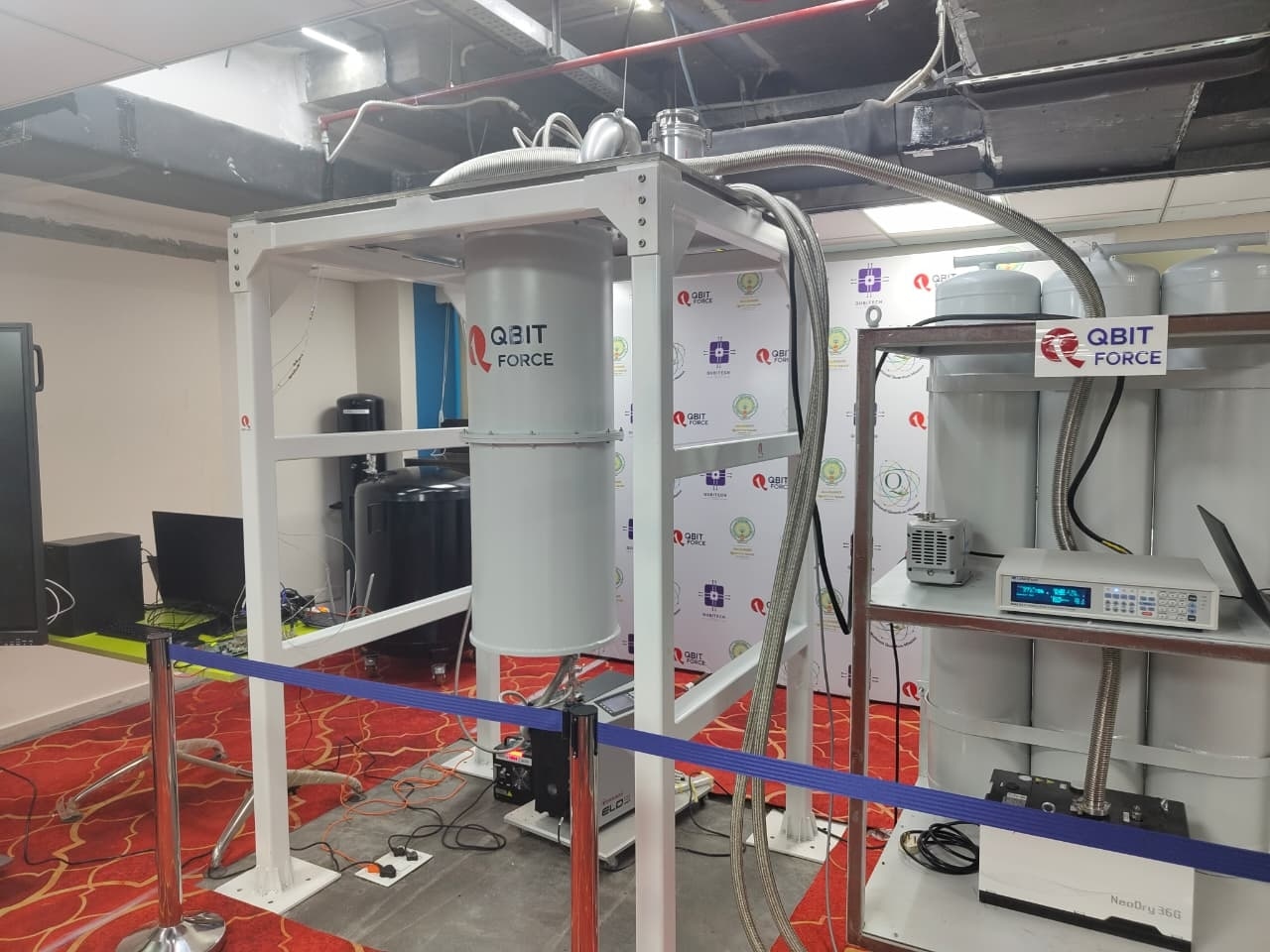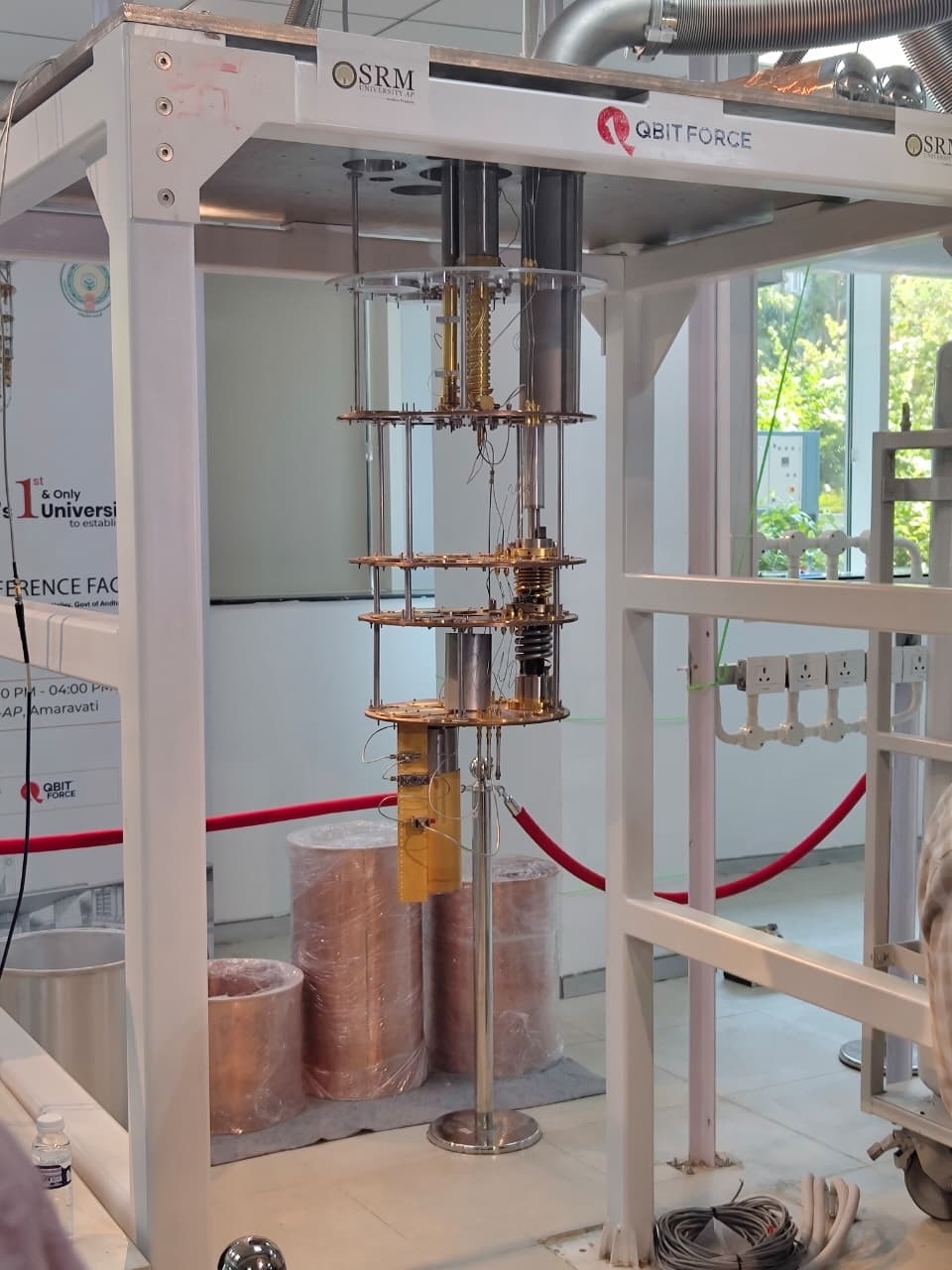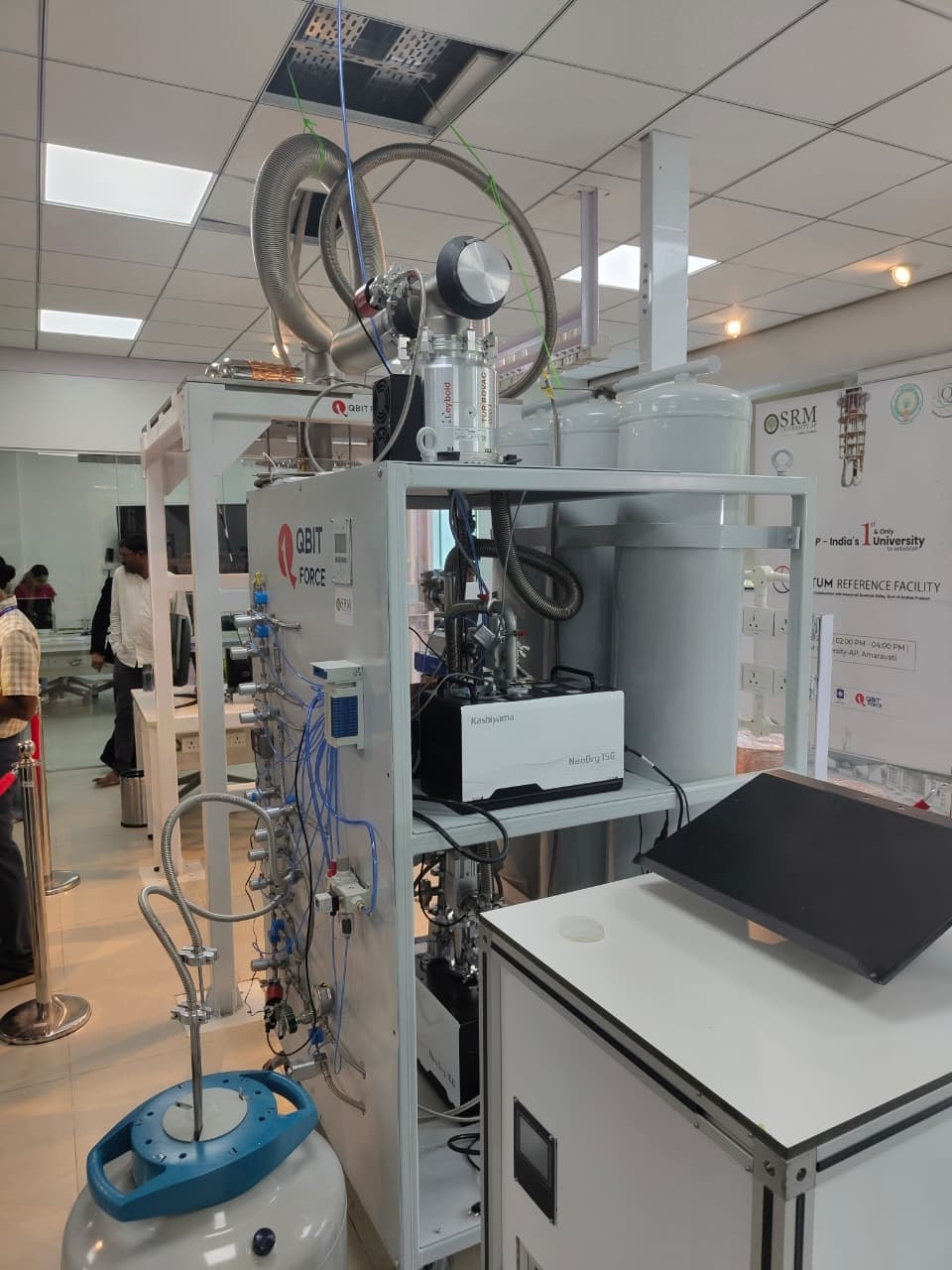



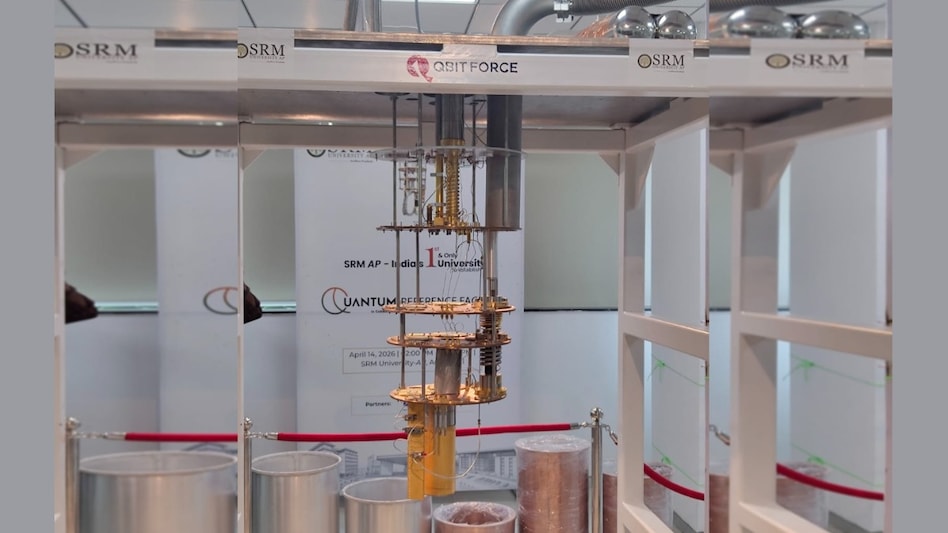
 Unlike most quantum labs globally, these systems are open-access, allowing researchers, startups and students to work directly with the hardware.
India’s first open-access quantum computer test beds are now operational in Andhra Pradesh, marking a step forward in the country’s efforts to build a domestic quantum hardware ecosystem.
Built by QBit Force, the facilities are spread across two locations, SRM University in Amaravati and Medha Towers in Gannavaram, are designed as “test beds” or controlled environments where quantum hardware can be tested, validated and improved.

 RBI changes bulk FD rules from October 1: What depositors and banks need to know
 Historic! Home loans in India are now cheaper than the US -- What NRIs must know
 India-US trade deal '90-per cent-plus there,' says senior US official ahead of key visits
 AI out of control: US govt websites hit as OpenAI bots bypass security controls
 Trump rejects Iran’s 7-day truce proposal, signals post-midterm strike timeline: Report
 How Is Alexa+ Different? Will It have Ads Even If You Pay? Exclusive Chat
 Demand Robust Across Segments | Production To Ramp Up, Exports To Expand: Vivek Srivatsa
 GST Council To Meet On October 7: Invoice Matching, ITC & UPI MDR Tax In Focus
 Tata Chip Plans Stay On Track Despite Boardroom Rift; Dholera Fab Investment Unaffected
 GLP-1 Drugs Face Eye Safety Concerns: Will Fresh Scrutiny Impact India's Growing Market?
 IPO rush: Four IPOs conclude today; check subscription status, other details of issues still open
 Meesho shares slip 7% as Nomura assigns 'reduce' call; here's what the brokerage says
  Sensex, Nifty extend losing streak to seventh week, longest since 2020: What's next?
 Suzlon in bear grip: Oversold signals emerge near 52-week low for the stock
  EIL shares jump 7% to hit record high; stock up nearly 62% in six months: What's driving the rise?
 Asian Games 2026: Indian women's kabaddi team clinches gold, beats Iran in nail-biting match
 'Each of us has a wild card in life': Vedanta Group's Anil Agarwal shares life lessons from a game of UNO
 Odisha clears SentraForge AI's massive ₹22,634 crore sovereign compute projectAI out of control: US govt websites hit as OpenAI bots bypass security controls
 Will Prashant Kishor's Jan Suraaj Party enter Delhi after Bankipur bypoll win? Here's what we know