


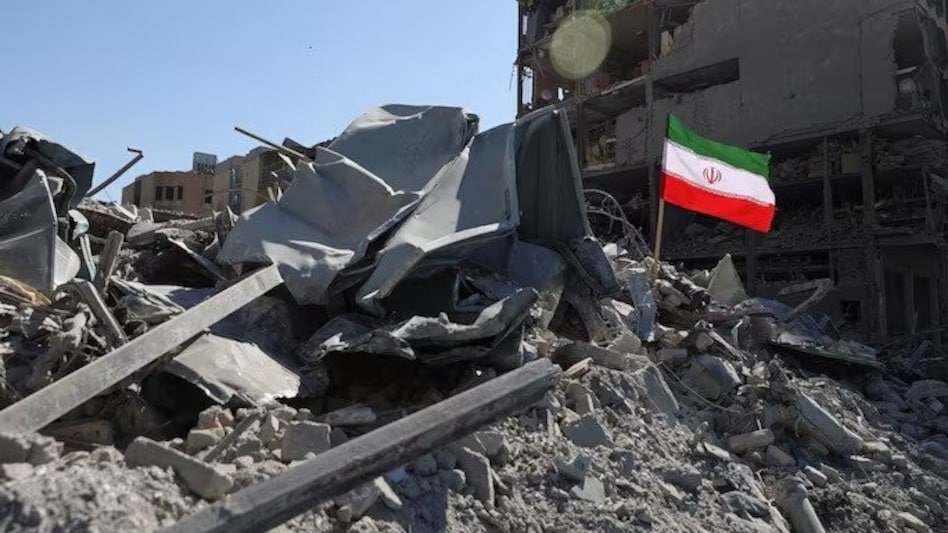
 Experts said Iran may try to widen the conflict by targeting Gulf energy infrastructure, shipping routes, air traffic and military bases to trigger broader economic disruption.
Former CIA officer Michael D. Sellers says Iran appears to be adopting what he describes as an “asymmetric endurance” strategy in the ongoing conflict with the United States and Israel. According to Sellers, the approach suggests Tehran is preparing for a long confrontation rather than seeking a quick settlement.
Sellers, in a column, said that by the third day of the Iran-US-Israel conflict, Iran’s wartime strategy had started to become visible. In his view, Tehran understands it cannot match the combined military power of the United States and Israel directly. Instead, he said, Iran may try to stretch the conflict over time, widen the battlefield and increase the political and economic costs for its opponents.

 Moneyview shares deliver bumper listing gains; stock debuts at 64% premium
 BT BIG STORY: Why India's affluent seniors are the next big real estate bet
 Tata Trusts file caveat before charity commissioner amid Venu Srinivasan, Vijay Singh’s complaints: Report
 Rs 20,000 crore FPI outflows in 2 days! Stock market headed for more pain?
 A-One Steels India shares make a decent stock market debut; shares list at 14% premium
 Mid-Small Cap Allocation: How Much Should Investors Hold In Their Portfolio?
 MSP: ‘Cost Plus 50%’ Principle Fully Maintained, Says Ashwini Vaishnaw
 Economy In Right Hands, Business Environment Very Positive: Nirmal Minda
 Nara Lokesh Exclusive: Why Andhra Pradesh Is In A Hurry To Build Its Data Centre Ecosystem
 KLM Steps Up SAF Push On India-Europe Route
 Bajaj Auto shares slump over 7% after September sales data
 Fortis, Max, Apollo, Medanta, Manipal: Buy hospital stocks for 22-46% upside, says Jefferies
 Kotak Mahindra Bank share price: Why this stock rose 4% today after CEO announcementA-One Steels India shares make a decent stock market debut; shares list at 14% premiumMoneyview shares deliver bumper listing gains; stock debuts at 64% premium
 From fuel to hydration: Indian Oil to sell own-brand bottled water at 43,000 petrol pumps
  Who is Anup Kumar Saha, the new MD and CEO of Kotak Mahindra Bank?
 UP Rajya Sabha election 2026: Will the 10th seat be decided by cross-voting? Here's what we know
 Samsung Galaxy Tab S12 Ultra, S12+ launched with Dimensity 9500, 120Hz AMOLED displays and S PenBajaj Auto shares slump over 7% after September sales data












