


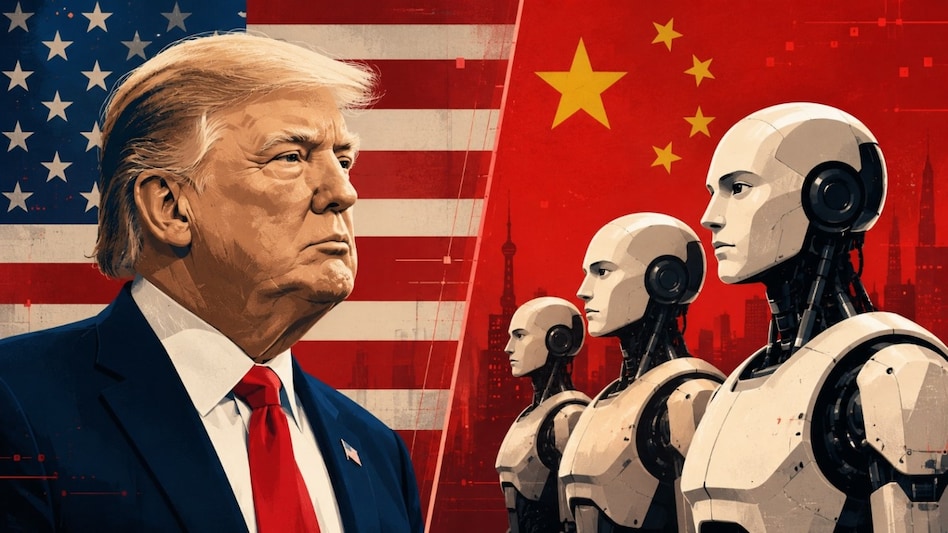
 The latest restrictions come as the US continues to take steps to limit China's access to advanced technologies.
The United States has moved to tighten control over advanced robotics technology, with the Trump administration announcing restrictions on new foreign-made humanoid robots and other advanced machines entering the country over concerns that they could pose a national security threat, according to a report by The BBC.
The ban, announced on Tuesday, covers advanced robots, including humanoid machines and four-legged robotic devices, many of which are manufactured by Chinese companies. The move comes as Washington and Beijing continue to compete for leadership in robotics and artificial intelligence (AI).

 How Tamil Nadu is continuing to lead in manufacturing with factories and factory workers
 Did you know India’s cash demand is strong despite the digital payment boom?
 Xi Jinping likely to visit India after 7 years for BRICS summit, may bring 400-member delegation
 Bitcoin price today: BTC crosses $80,000 for first time since May, rises 25% in week; what's driving it
 Onion prices soaring: Centre to sell onions at ₹35/kg, sends Kanda Express to boost supply
 Trump Moves To Make H-1B Visa Fee Permanent And Higher: What It Means For Indians
 Market Rally Vs Geopolitical Risk: What Wins From Here? Aditya Agarwal
 Daily Calls: Ask Your STOCK MARKET TODAY QUERIES | Market Update | Share Market News Today
 Symbiotec Pharmalab IPO | Top Management On Growth Plans, Business Outlook & IPO Strategy
 Chennai Second Airport Halted: Parandur Project Faces Wetland Concerns & Political Storm
 Paytm shares up 33% in a month: Time to book profits or is there more upside left?
 Nykaa shares: Elara Capital hikes target price; sees 43% upside potential
 Crompton Greaves shares: Brokerage sees 67% upside potential; check target price
 Dixon Tech, Amber Enterprises: Will they benefit from MPMS? Kotak shares views
 Vodafone Idea, Paradeep Phosphates, Hindustan Copper shares: What expert says
 From GIFT City to global finance: British Virgin Islands pitches trade ties with India
 NITI Aayog calls for overhaul of India’s skilling system, proposes five big reforms for Viksit Bharat 2047
 Staywell.Health secures Equanimity-led investment to scale AI-native health insurance platform
 After record loss, Air India seeks $1.5 billion fresh funding from Tata, Singapore Airlines
 94% of Indians use AI, but only 20% build with it: Why the AI skills gap is widening












