

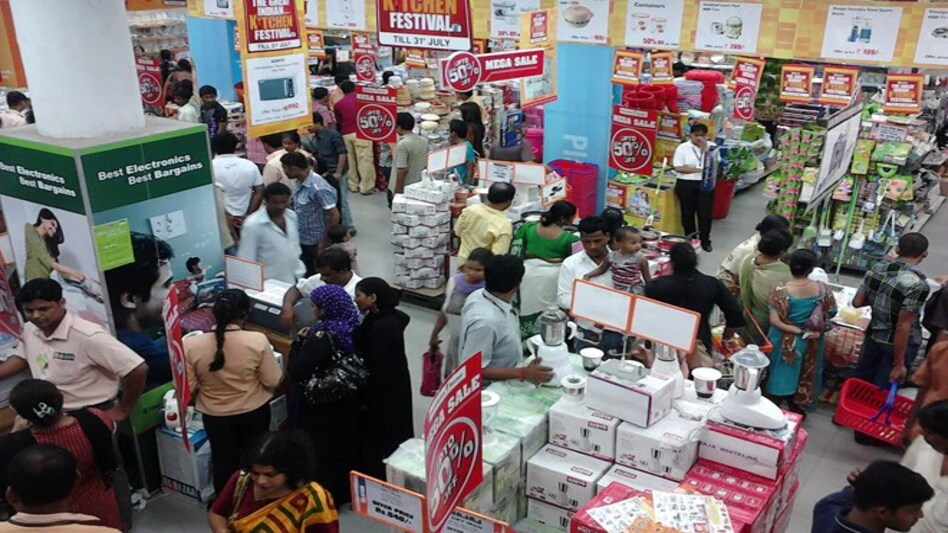
 Consumption has seen a revival of late
The much talked-about new normal seems to have finally arrived. Consumers have come to terms with living in a world where the fear of contracting the deadly virus still looms large. This got reflected in BCG's latest consumer sentiment study, which shows a slight revival in sentiments across the country. The study says, as opposed to 57 per cent Indians in April-May, who feared job loss, the number during the months of July-August has come down to 44 per cent. Similarly, only 42 per cent consumers are saying that they would spend lesser than what they did over the next six months, compared to 53 per cent when a similar survey was done in the month of May. People are stepping out of their homes more regularly than they did in April and May. The BCG report says that 53 per cent of the consumers surveyed said that they have been going out to work, while 66 per cent have started visiting friends and family, versus 15 per cent and 10 per cent, respectively in May.
The mood, however, is one of caution. Consumers are stepping out and trying to get back to normal, but with a lot more caution. In fact, as per the Deloitte Global State of the Consumer Tracker, the anxiety level in Indians has been the highest through the COVID lockdown. The tracker says that 40 per cent of Indians are anxious vis-a-vis China, where the anxiety level is barely 6 per cent. Around 75 per cent of Indians according to the Deloitte report have said that they are concerned about their physical well-being, 48 per cent said that they feel unsafe to go out for shopping, while 66 per cent are delaying their purchases.
 Aadhaar authentication mandatory for subsidised LPG refills from October 1: Check rules
 Japan’s semiconductor push in India: Why Japanese companies are betting on materials, equipment and technology
  Tata Steel seeks fresh UK government funding as Port Talbot project faces delays
 How big is Apple Pay? US payment giant to enter India as UPI dominates digital payments
 Delhi airport gets its third runway operational; optimise aircraft movement
 CEA On India’s 7.8% Growth, Rural Incomes And Government’s Job Creation Push
  Gold Price Outlook: Why Dollar Weakness Could Keep Gold And Silver Prices Attractive Ahead
 Gold vs Silver Investment Strategy: Is This The Right Time To Buy For Long-Term Returns?
 Corporate Vs Personal Health Insurance: Which Is Better On A Budget?
 Gold Price Outlook: Why Gold Could Rise Despite Global Interest Rate Hikes | Silver Market Update
 Jindal Supreme, SS Retail, Hero Motors IPOs subscribed up to 181 times on final day; details here
 Sensex, Nifty post sixth weekly loss; TCS, Titan among top laggards, slip up to 4%
 How AI collapse could benefit Indian equity market; Jefferies' Christopher Wood explains
  Banks are no more secular growth story, prefer NBFCs: Chris Wood
 Jefferies' Christopher Wood sees gold at $10,000 'sooner or later'; likes India's small, midcaps
 OpenAI’s new AI lawyer: Astra for Law could change how legal research gets done
 ₹5 lakh crore profit, not loss? SBI Research’s case for FCNR(B) scheme explained
 Struggling to get confirmed train ticket? Here’s what you can do during festival rush
 China cut oil imports 32% during Iran war: How Beijing helped contain the global price shock
 Who is Nila Vikhe Patil? Maharashtra educationist’s daughter elected to Swedish Parliament












