

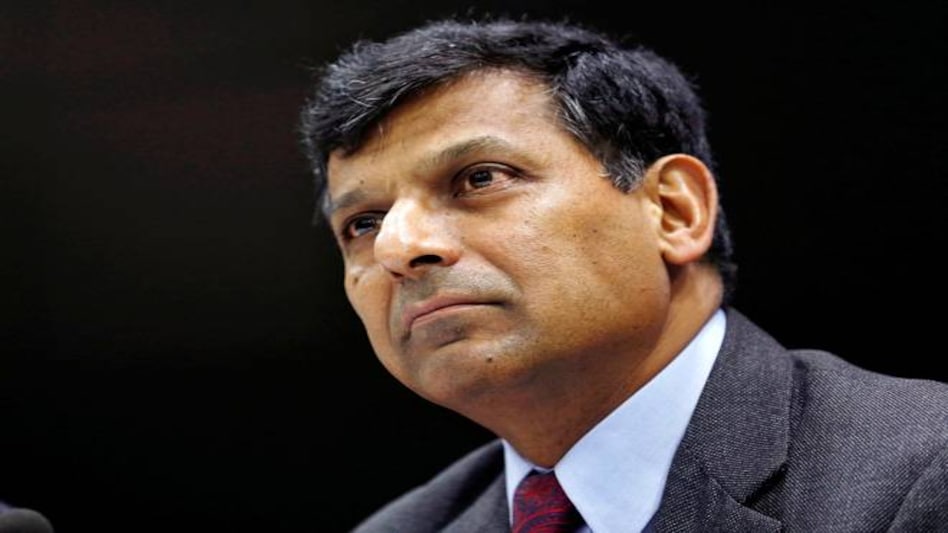
India has grown at a pace that very few countries do, but the growth has not been distributed evenly among all sectors and citizens, former RBI Governor Raghuram Rajan said during a University of Chicago event here on Friday to outline India's economic agenda for the next five years. Rajan said that India's growth is not creating enough jobs, and there remains much to be done in regard to the macro-stability and fiscal deficit of the country. He emphasised that the growth rate of Indian economy has to be taken beyond the 7 per cent mark, while ensuring proper distribution of the benefits of economic growth.
"That means focussing on what is really distorted in our current approach and try and remove those distortions in order to enhance the job creating prospects of that sector. Not by the old strategy of reserving job intensive sectors and giving them additional sops, but how do we actually enhance sectors and make them create more jobs," Rajan said.
 Insolvency regulator sounds alarm over misuse of bankruptcy law; tells professionals to dig deeper
 Coforge after OP Bhatt: Advent’s growing influence puts board dynamics under spotlight
 BRICS Summit 2026: India to encourage use of central bank digital currencies for cross-border payments
 Tier-2 cities lead India’s digital credit inclusion with highest DCII score: Report
 HDFC Bank shares rebound after hitting 52-week low; should you buy?
 HDFC Bank, TCS Stocks: Key Levels To Watch, Long-Term Outlook & Top I.T. Picks
 Delhi PG Horror: 22 Girls Left Without Food, Wi-Fi Or Warden After Satya Niketan Collapse
 SBI’s AI Vision: C.S. Setty On Agentic AI, Banking And India’s Next Frontier
 Delhi PG Collapse: ‘Dog-Walker’ MCD Chief Under Scrutiny As Resignation Calls Rise
 iPhone Duo First Look: Apple’s Foldable iPhone Packs Touch ID, A20 Pro & ₹3 Lakh Price Tag
 Tata Steel, JSW Steel, SAIL, Jindal Steel: Top metal stocks to buy; check fresh targets & more
 ESDS Software stock: CMD Piyush Somany decodes the 263% rally in five days HDFC Bank shares rebound after hitting 52-week low; should you buy?
 Now resolved: Some BSE options see brief trading glitches ahead of settlement
 Indian crude oil basket hits $115.98 a barrel: HSBC, Goldman Sachs raise Brent forecastsTata Steel, JSW Steel, SAIL, Jindal Steel: Top metal stocks to buy; check fresh targets & more
 Westinghouse plans 18 nuclear power plants in India by 2047Coforge after OP Bhatt: Advent’s growing influence puts board dynamics under spotlightESDS Software stock: CMD Piyush Somany decodes the 263% rally in five days
  Chicken thali up 5%, veg meal 1% costlier in August: Onion jumps 43%, oil and LPG rise; potato-tomato ease












