


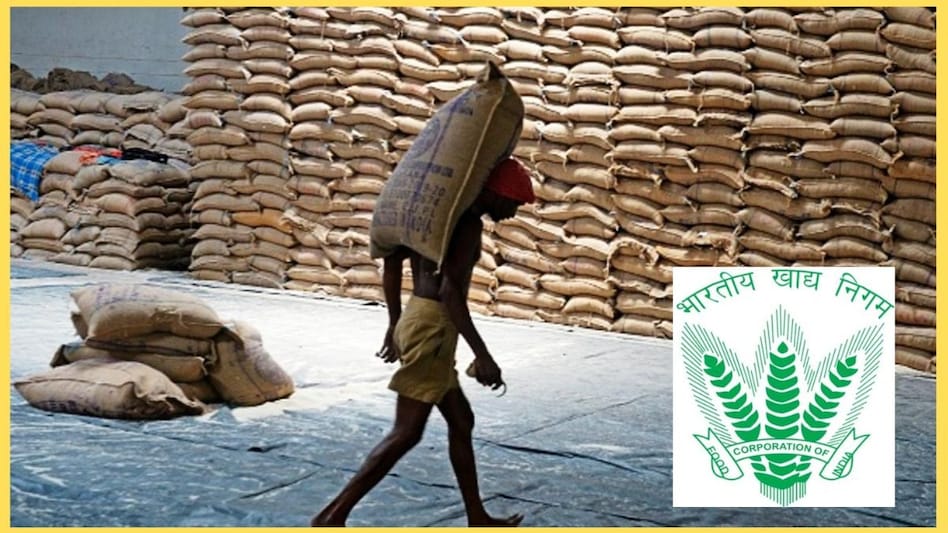
 The Centre rejected concerns that diversion of rice for ethanol has contributed to food inflation
The Centre has told Parliament that it supplied 44.2 lakh metric tonnes (LMT) of surplus rice from the Food Corporation of India (FCI) for ethanol production till June 30 in the current ethanol supply year (ESY 2025-26), while maintaining that the diversion has had no impact on food inflation or food security.
Replying to a question in the Lok Sabha on Tuesday, the Ministry of Consumer Affairs, Food and Public Distribution said only surplus rice from the Central Pool is sold to ethanol distilleries under the Open Market Sale Scheme (Domestic) after meeting obligations under the National Food Security Act (NFSA), other welfare schemes and prescribed buffer stock norms.

 90% EVs exported out of India are from Maruti Suzuki: MD & CEO Hisashi Takeuchi
 India's $30 trillion goal needs 8-10% growth, $400 billion more annual investment: Jayant Sinha
 1.1 billion barrels gone: IMF warns that global oil market is running out of safety cushions
 From Devbhoomi to industrial destination: Uttarakhand’s manufacturing moment
 India’s deep-tech startups face a new test: Crossing the valley of death
 #IndiaAt100 : Tarun Garg On Hyundai & India’s Manufacturing Powerhouse Ambition
 #IndiaAt100 : CM Pushkar Singh Dhami On Uttarakhand’s Industrial Growth & India’s Next Leap
 #IndiaAt100 : Dr. Pawan Goenka On India’s SpaceTech Lift-Off And The Race To 2047
 #IndiaAt100 : P Chidambaram On India’s Growth Dilemma | What Could Hold Back $30 Trillion Dream?
 #IndiaAt100 | India’s Coolest Start-Ups: Meet The Innovators Building Tomorrow
 Cupid, NTPC Green, NTPC, Raymond Realty, HAL shares: Key technical levels to watch
 Defence stock with Rs 2,654-crore order book hits record high; here's why
  GACM Technologies: FII holding jumps to 29%; penny stock in focus
 Puravankara shares rise 5% on fresh order win
  20 high-conviction ideas for up to 95% upside | stocks to buy #IndiaAt100 : Tarun Garg On Hyundai & India’s Manufacturing Powerhouse Ambition
 Rising demand, Make in India focus driving manufacturing growth in India, but speed bumps need to be addressed, say expertsFrom Devbhoomi to industrial destination: Uttarakhand’s manufacturing moment90% EVs exported out of India are from Maruti Suzuki: MD & CEO Hisashi Takeuchi
 India set to become Hyundai’s No. 2 market ahead of FY30: Tarun Garg












