

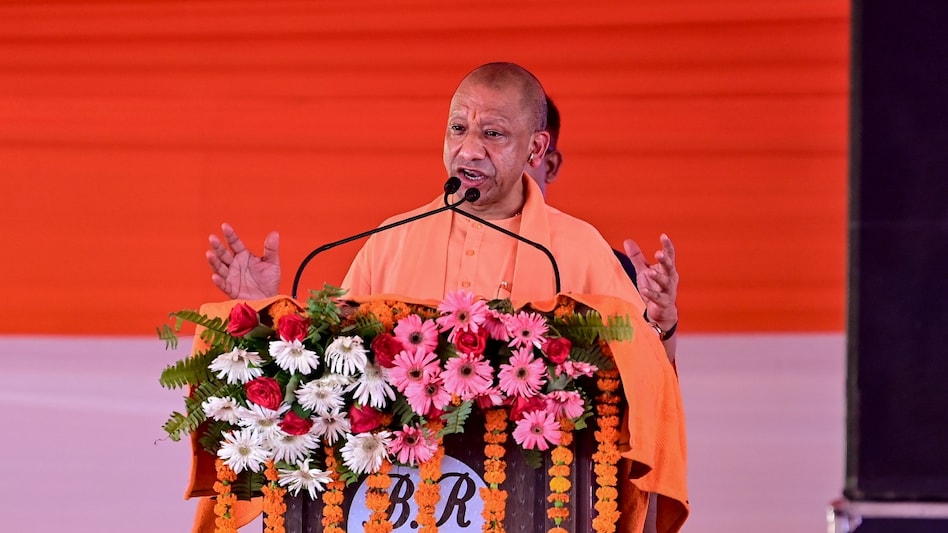
 Yogi Adityanath govt is mounting an aggressive campaign to distribute investment across UP's Tier-2 and Tier-3 cities
 For decades, the story of Uttar Pradesh's economic ambitions began and ended with Noida, the satellite city abutting the national capital Delhi. With its gleaming tech parks and multinational campuses, Noida stood as a lone outlier in a state otherwise synonymous with agrarian distress and industrial stagnation. That narrative, however, is now being rewritten.
The Yogi Adityanath government is mounting an aggressive campaign to distribute investment across the state's Tier-2 and Tier-3 cities such as Lucknow, Kanpur, Varanasi, Gorakhpur, Bareilly, Prayagraj, Agra and Meerut. The idea is to position them as the next frontier for Global Capability Centres (GCCs), advanced manufacturing, and technology-driven enterprises.
 ‘Painful to hear allegations of data jugglery’: MoSPI secretary Saurabh Garg says every data is verifiable
 India competitively better placed amid uncertain times, says Piramal Group chairman Ajay Piramal
 BDL share price: Defence PSU fails to sustain breakouts; expert says ‘don’t chase’, shares key levels
 Subhash Garg was questioned 8 years ago: Letter from prominent BJP MP to PM surfaces
 HDFC Bank, PNB, SBI, RBL, Federal Bank, Axis, ICICI, Kotak Bank: Share price targets
 US-Iran War Escalates: Wedding Strike, Gulf Retaliation And Fresh Threats Raise Fears Of Wider Conflict
 Nepal’s ‘Miracle House’: How One Home Survived A Devastating Flood
 Parandur Airport Scrapped: Vijay Faces Opposition Fire Over Farmers, Development And ‘Andhra Angle’
 GDP Numbers Under Fire? Subhash Garg Questions Data, Saurabh Garg Defends Methodology
 Vijay For PM? TVK’s 2029 Pitch Grows Louder As Political Allies And Opponents Weigh In
 Sensex slumps over 400 points in final five minutes on F&O expiry day; CAS in focus
 Britannia, Tata Consumer, Marico: What should investors do as commodity inflation rise
 How EV-themed stocks could impact sentiment on Maruti Suzuki counter HDFC Bank, PNB, SBI, RBL, Federal Bank, Axis, ICICI, Kotak Bank: Share price targetsBDL share price: Defence PSU fails to sustain breakouts; expert says ‘don’t chase’, shares key levelsSensex slumps over 400 points in final five minutes on F&O expiry day; CAS in focus
 New Hyundai SUV for India: confirmed October window, reported 1.5-litre petrol engine and possible CNG option‘Painful to hear allegations of data jugglery’: MoSPI secretary Saurabh Garg says every data is verifiableBritannia, Tata Consumer, Marico: What should investors do as commodity inflation riseSubhash Garg was questioned 8 years ago: Letter from prominent BJP MP to PM surfaces












