


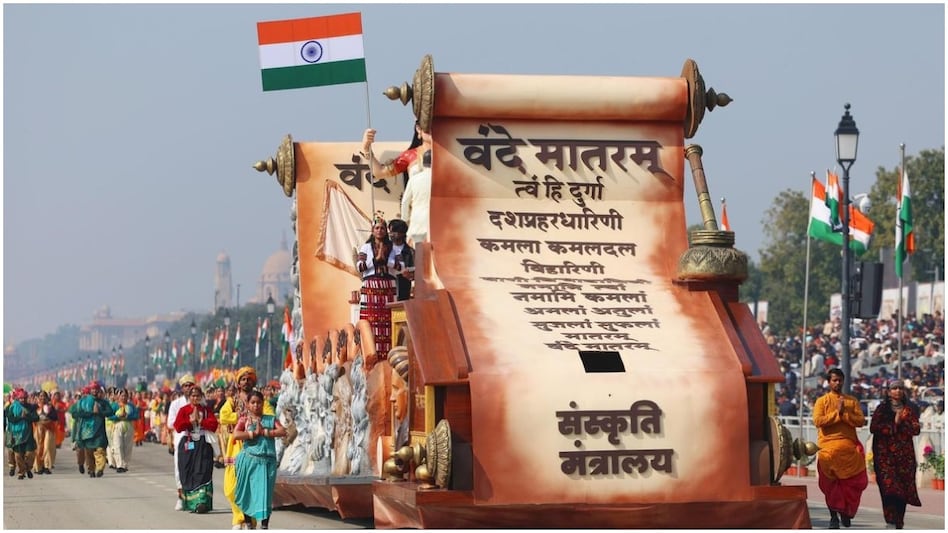
 Vande Mataram was composed by Bankim Chandra Chattopadhyay and first appeared in his Bengali novel Anandamath, published in 1882.
The Union government is set to introduce the Prevention of Insults to National Honour (Amendment) Bill, 2026, a legislation that seeks to extend the same legal protection enjoyed by the National Anthem, Jana Gana Mana, to the National Song, Vande Mataram.
If passed by Parliament, the Bill will make deliberately insulting or obstructing the singing of Vande Mataram a punishable offence under the Prevention of Insults to National Honour Act, 1971.

 'Shame on you Modi, Shah': CJP as Abhijeet Dipke, Ashutosh Ranka, Saurav Das detained from plane
 RBI's rupee defence: Special dollar window for oil firms, tighter forex derivative rules
 US midterms 2026: Why a Democratic House may not ease Trump's tariff pressure on India
 India has 129 homegrown tech brands earning ₹60,000 crore, but why are so few scaling up?
 Jantar Mantar protest: YouTuber Dhruv Rathee detained from his Gurugram residence, claims CJP
 5 Reason Why Cheap Premium Insurance May Not Be The Best Choice
 Health & Life Insurance: How Much Cover Do You Really Need? Expert Explains
 Silver Investment Outlook: Why Gen Z Should Watch This Metal's Long-Term Growth Potential
 Gold Price Outlook: Is This the Right Time to Invest? Expert Sees Potential for New Highs
 India Slams US PERM Suspension, Says JD Vance’s ‘Indentured Servants’ Remark Is Offensive
 Market on the back foot, opportunities ahead: where should investors put their money?
 Poonawalla Fincorp Q2 earnings: Net profit zooms 405%, NII at Rs 1,589 crore
  Vedanta, TCS shares to turn ex-dividend; Ola rights issue; 2 stock splits next week
 IPO rush: Rs 50,000 crore worth IPOs to hit Street by Diwali; Jio, Avada to lead fundraise
 Adani Ports, GMR Airports rise up to 5% amid block deal reports; check details India has 129 homegrown tech brands earning ₹60,000 crore, but why are so few scaling up?'Shame on you Modi, Shah': CJP as Abhijeet Dipke, Ashutosh Ranka, Saurav Das detained from plane5 Reason Why Cheap Premium Insurance May Not Be The Best ChoiceRBI's rupee defence: Special dollar window for oil firms, tighter forex derivative rules
 Jantar Mantar protest today: CJP demands Dhruv Rathee's immediate release, issues 12-point briefing to protestors












