


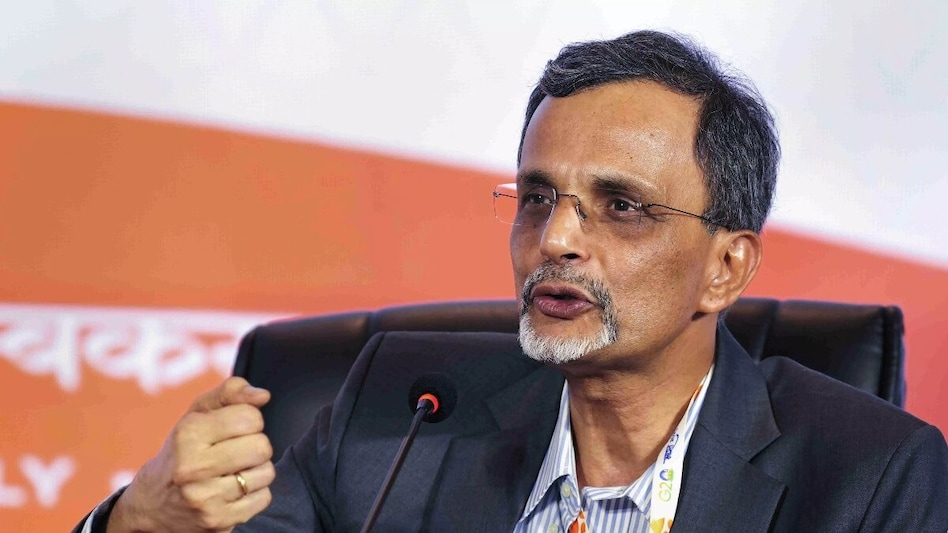
 The remarks come amid a renewed push by both nations to finalise the first tranche of the trade pact, originally expected to be concluded by fall 2025. (File photo)
India’s Chief Economic Advisor (CEA) V Anantha Nageswaran has said that most outstanding trade issues between New Delhi and Washington have been resolved, expressing confidence that a long-pending bilateral trade agreement could be sealed by March 2026.
“I was hoping something would be done by the end of November, but it has turned out to be elusive,” Nageswaran told Bloomberg Television. “However, I would be surprised if we don’t have it sealed by the end of the financial year.”

 Did customs delays sink India's 2005 AMD semiconductor project? Vaishnaw says: 'Learnt from past attempts'
 'Perimeters of a deal have been agreed to': Trump says he cancelled planned Iran strike
 CBI books Anil Ambani, Reliance Capital in ₹1,816 crore EPFO case. Here's what happened
 Another attack in Hormuz: Tanker carrying Qatar LNG struck, blackout reported
 When the paycheck stops: Would your finances survive a job loss?
 Buying Term Insurance? Never Hide These Health Details Or Risk Your Claim Being Rejected
 India’s Logistics Game Is Changing: The Big Infra Push Explained
 Active Vs Passive Mutual Funds: Which Gives Better Returns For SIP Investors?
 IRFC CMD Manoj Kumar Dubey Reveals Top Funding Priorities Beyond Railways & IRFC 2.0 Vision
 "Mineral Security Is National Security": G Kishan Reddy On India’s Push For Aatmanirbharta
 Oswal Pumps shares to test Rs 290? Expert flags damaged chart structure, advises exit
 Mazagon Dock shares: Brokerages see up to 37% upside after Q1 FY27 results; check latest target prices
 Mukul Agrawal signals exit this multibagger stock after nearly 9x rall; is it still a buy?
 HUL shares: Why analyst prefers Marico, Nestle to the FMCG sector leader in short term
 Tata Steel, Vedanta among top metal bets for a six-month view, says analystDid customs delays sink India's 2005 AMD semiconductor project? Vaishnaw says: 'Learnt from past attempts'Buying Term Insurance? Never Hide These Health Details Or Risk Your Claim Being Rejected
 From biometrics to GPS patrols: NTA bets on stronger security after NEET controversy with ₹7.5 crore tender
 'If you can't handle this, then resign': JPSC paper leak protest intensifies; students mount pressure on Hemant Soren
 Flipkart Freedom Sale: Deals on iPhone 17, iPhone 17 Pro, iPhone 17 Pro Max revealed: All details










