


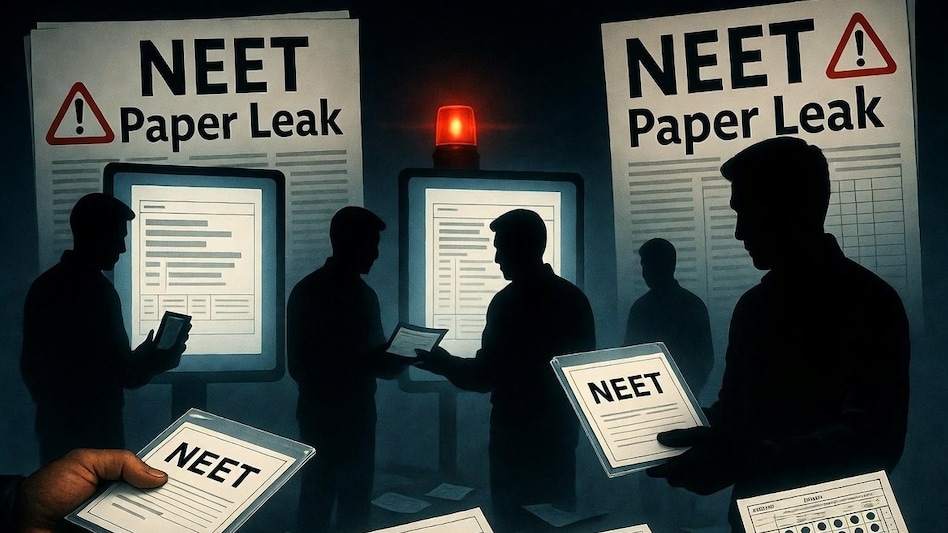
 Three subject experts leaked NEET-UG exam paper out of NTA office, said CBI
NEET-UG exam paper leak row: Three subject experts took NEET exam questions out of the NTA office in Delhi using different methods, according to the CBI probe into the NEET-UG paper leak. One expert wrote questions on small paper chits and hid them, while two others memorised questions and later wrote them down or marked relevant paragraphs in NCERT textbooks after returning to their hotel rooms.
According to a report in The Indian Express, the CBI said they managed this because they were not frisked while entering or leaving the confidential section on the first floor of the National Testing Agency office. The agency also noted the wing lacked a dedicated CCTV live-feed monitoring control room. These findings are part of a chargesheet filed on July 28 before a Delhi fast-track court, naming 13 people.

 PayPal cuts 220 jobs in India as part of its cost-cutting, restructuring measures
 7.8% GDP growth: Garg challenges ₹86 lakh crore-to-₹80 lakh crore revision, questions methodology
  Why Samir Arora wants mutual funds to stay away from IPOs, QIPs for 30 days; seeks more anchor investor disclosures
  Want a driving license in India? Govt plans grading system for drivers, says Nitin Gadkari
 MoCA moves to ease aircraft shortage with more bank credit for leasing, faster NOCs
 Nepal Floods: Trishuli River’s Fury Leaves Betrwati Buried Under Debris And Devastation
 Pakistan Flooded After Shehbaz Sharif's SCO Water Plea | Islamabad, Rawalpindi Under Water
 Nepal's Glacial Lake Outburst Floods A Wake-Up Call For India: 195 Himalayan Glacial Lakes At Risk
 7.8% GDP Debtate: Who Is Right? Gourav Vallabh & Subhash Chandra Garg Clash Over Data
 AI Boom In India: Can I.T. Stocks Catch Up And Deliver Strong Returns For Investors?
 IFCI shares cross Rs 100 mark after 19 years; here's why
 ITC, Tata Steel, AEL see highest EPS cuts in August; Grasim leads upgrades; targets
 PC Jeweller shares jump 6% as company clears debt of 9 banks; here's what it says
 Block deal effect: Clean Max shares surge 8%, hit one-month high
  Adani Ports: Buy, hold or sell? JM Financial shares target price for Adani stockNepal Floods: Trishuli River’s Fury Leaves Betrwati Buried Under Debris And DevastationIFCI shares cross Rs 100 mark after 19 years; here's whyPakistan Flooded After Shehbaz Sharif's SCO Water Plea | Islamabad, Rawalpindi Under WaterNepal's Glacial Lake Outburst Floods A Wake-Up Call For India: 195 Himalayan Glacial Lakes At Risk7.8% GDP Debtate: Who Is Right? Gourav Vallabh & Subhash Chandra Garg Clash Over Data












