


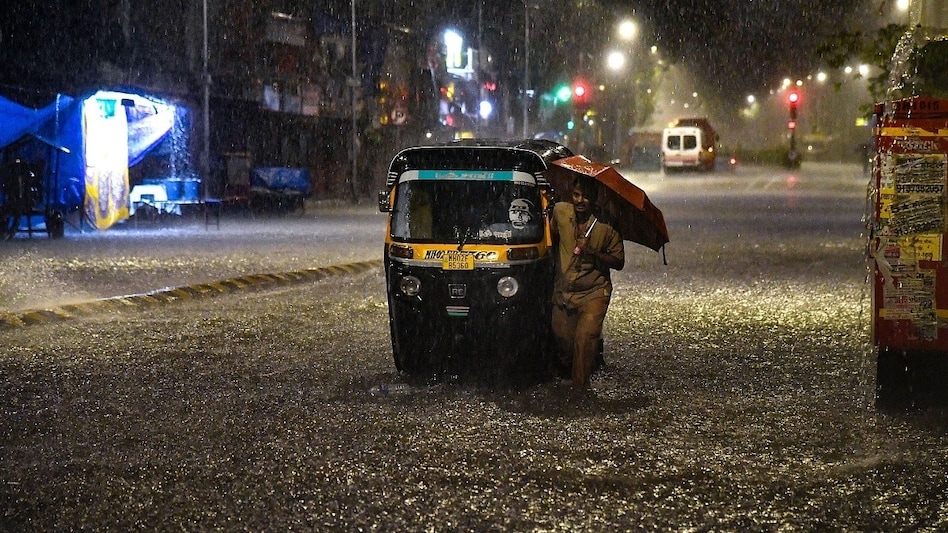
 Heavy rain alerts spread, but cloudless skies expose India’s uneven monsoon advance
Monsoon in India: Delhi is preparing for thunderstorms and strong winds, Mumbai has begun the day under heavy showers, and Kolkata is recovering from rain-induced waterlogging. Yet beyond these city-level spells, large parts of India remain unusually dry for late June.
The southwest monsoon has advanced across much of the country, but rainfall remains highly uneven. The India Meteorological Department has forecast intense showers over parts of eastern, southern and western India, while broad stretches of central and northwestern India continue to lack the cloud cover associated with an active monsoon.

 India’s AI bet goes global: 93% of businesses trust AI with data, 87% eye new markets
 Delhi H1N1 outbreak: 1,777 cases recorded. Symptoms, who are at risk & how to stay safe
 FII sentiment shows early signs of turnaround after months of selling: Report
 UPI should remain free: Expert on why MDR could push merchants and consumers back to cash
 Apple job cuts 2026: iPhone maker slashes 200 jobs in Siri, Vision Pro immersive video, gaming teams
 Meta’s $200 Billion Trial: Did Instagram & Facebook Keep Kids Hooked?
 Motor Insurance Explained: Is Third-Party Car Insurance Enough? Know Before You Buy
 Retirement Tax Planning: 5 Ways Senior Citizens Can Reduce Their Tax Liability
 #IndiaAt100 : Adipen Bose Nandhiji On Conscious Capitalism- Can Profit & Purpose Coexist?
 #IndiaAt100 : Hisashi Takeuchi On Driving India’s Manufacturing Revolution
 Crompton Greaves says no plan to sell stake, expects revenue to double by FY31
 Gaja Alternative Assets IPO: 3 ways to check application status; allotment odds, GMP, listing dateFII sentiment shows early signs of turnaround after months of selling: Report
 ₹24,800 crore bill: How transaction costs are eating into retail derivatives trading
 Cupid, NTPC Green, NTPC, Raymond Realty, HAL shares: Key technical levels to watchCrompton Greaves says no plan to sell stake, expects revenue to double by FY31Delhi H1N1 outbreak: 1,777 cases recorded. Symptoms, who are at risk & how to stay safeIndia’s AI bet goes global: 93% of businesses trust AI with data, 87% eye new markets
 US/UK citizenship and PPF: What happens to your Indian savings after naturalisation?
 The Rs 606 problem: What happens when India puts a price on UPI












