


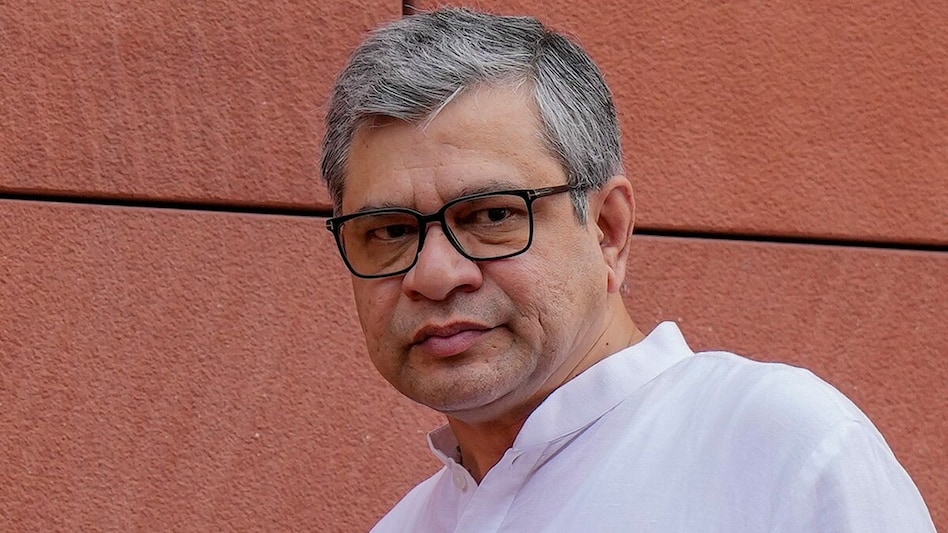
 Ashwini Vaishnaw had informed the Rajya Sabha that the bill was still in the drafting stage
The Ministry of Information and Broadcasting on Monday has withdrawn the latest draft of the controversial Broadcasting Services (Regulation) Bill, 2024. As per reports, the ministry has instructed all stakeholders to return the physical copies they received between July 24 and 25.
As reported by the Hindustan Times, the stakeholders were informed that their feedback was no longer required.

 BT Big Story: The price tag of UPI: Will small shops go back to cash?
 Trump-Xi meet: Warm words, sharp divide on AI as US-China moves into ‘superintelligence’ age
 Insurance commission caps: What happens to your policy when the seller earns less?
 '6 crore shopkeepers, traders impacted': Trade body urges Nirmala Sitharaman to roll back UPI MDR
 What is panda diplomacy? How China uses giant pandas to build global ties
 Meta’s New Gadgets: Camera-Free Glasses, VR Eyewear And AI Handheld Device Unveiled
  MDR Levy: Will Retail Trading Volumes Take A Hit? | NSE Chairman Srinivas Injeti
 NSE Lists At ₹1,800: Exclusive Post-Listing Interview With India's Largest Exchange
 From Mobile Trading To AI: How NSE Plans To Protect Market Integrity
 NSE On India’s Capital Markets Growth | IPOs, REITs, InvITs And More
 Inox Green, Wheels India shares in focus as QIPs kick off; key details
  MCX, Divis Labs, Radico Khaitan: Top stocks to trade — Key levels, target prices & stop loss
 GIFT Nifty down 20 points; ESDS, Waaree, LTTS, Nykaa, Purple Style Labs among top stocks in focus
 PB Fintech share price: Jefferies cuts target by 25%; upside, downside scenarios
  SEBI allows PMS exposure to foreign securities: What products can clients access?Inox Green, Wheels India shares in focus as QIPs kick off; key details MCX, Divis Labs, Radico Khaitan: Top stocks to trade — Key levels, target prices & stop lossWhat is panda diplomacy? How China uses giant pandas to build global tiesGIFT Nifty down 20 points; ESDS, Waaree, LTTS, Nykaa, Purple Style Labs among top stocks in focusPB Fintech share price: Jefferies cuts target by 25%; upside, downside scenarios












