

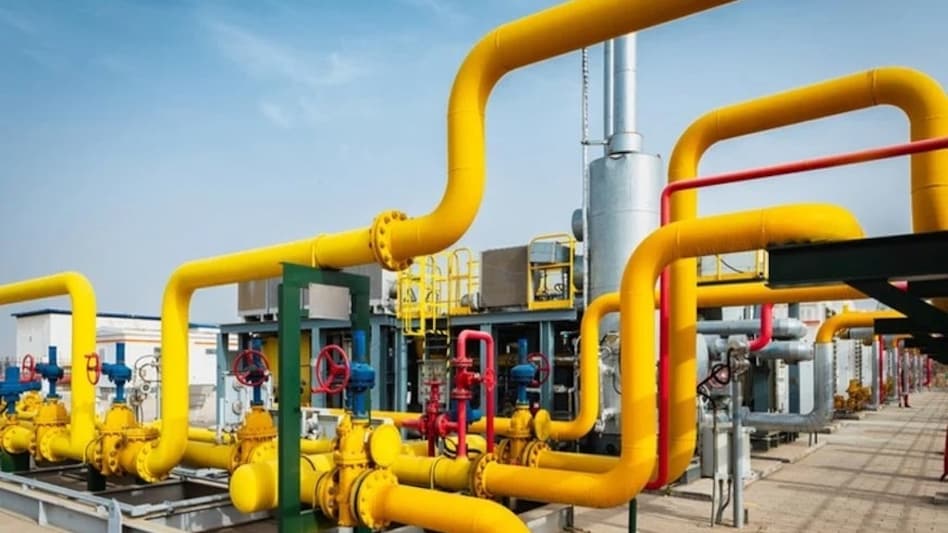
 While the government remains confident about its reserves and diversified supply chains, analysts tracking the energy sector caution that LPG and LNG could prove more sensitive than crude oil.
Amid the escalating conflict in West Asia and growing global concerns over supply chain disruptions, India maintains a buffer of two to three weeks of LNG reserves, a top official from the Ministry of Petroleum and Natural Gas told Business Today. Additionally, the Indian government is comfortably placed with its LPG (Liquefied Petroleum Gas) supply chains, another source told Business Today, citing a diversified sourcing strategy.
“We as a country remain comfortably placed regarding energy supplies despite the intensifying conflict in West Asia and a halt in production at key Qatari Liquefied Natural Gas (LNG) facilities. We are continuously monitoring the situation,” a top official familiar with the matter told Business Today.
 TCS to acquire Porsche’s IT consulting arm MHP for €320 million, signs five-year strategic deal
 Tata Sons board likely to meet on September 17, Chandrasekaran exit may take center stage
 'Our trade is growing again, thanks to PM Modi': Putin tells EAM Jaishankar
 Trade war escalates: Trump announces 50% tariffs on Canadian autos & steel from Jan 1
 Saudi attacked by Houthis, Turkey targeted by Israel: So what is the Mecca Pact doing?
 Market Masters | Aniruddha Sarkar On Top Sectors, Market Outlook & Where To Invest
 Daily Calls: Ask Your STOCK MARKET TODAY QUERIES | Market Update | Share Market News Today
 All About Debt Funds: Types Of Debt Funds & How To Invest | Mutual Fund Guide | Money Today
 “India Can Attract Global Space Talent Like A Magnet”: PM Modi To Startup CEOs
 CM Yogi Responds To Rahul Gandhi Over Manusmriti Remarks, India's Youth, And Heritage
 Tempsens Instruments IPO: Issue subscribed over 184 times on final day; check latest GMP
 Cupid's Aditya Kumar Halwasiya ups stake to 33.53%; buys 11 lakh shares
 Auto, auto ancillary stocks: Is it time to book profits? What Centrum's Nilesh Jain says
 This mid-cap metal stock zooms 15% on Rs 2,700 crore order announcement; do you own?
 RVNL shares a buy? Accumulate railway stock as valuations cool, says Kranthi Bathini
 From ₹8.49 lakh: India’s hottest 7-seaters reveal what family buyers really want
 Bolt’s 9.58 eclipsed: Chinese robots run 100m faster than the human world record
 Made in Amethi: India’s first 100% indigenous AK-203 Sher is ready for its biggest test
 Next Phase of Tamil Nadu’s Growth is About Creating Value Over Volume: TN’s Minister for Industries S. Keerthana
 FCNR(B) deposits: IDFC FIRST, IndusInd offer 6.75%; top PSU banks offer 6.60% as RBI forex window nears closure












