


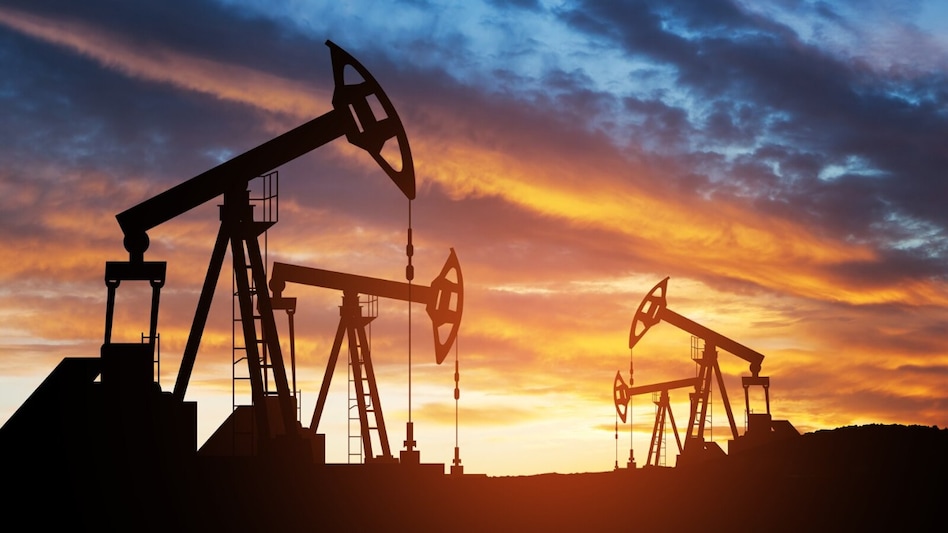
 Concerns over a potential energy shock intensified after Iran moved to shut the Strait of Hormuz, a crucial maritime chokepoint that handles nearly one-fifth of global oil trade.
Hardeep Singh Puri, Minister of Petroleum and Natural Gas, on Tuesday said India is adequately stocked with crude oil and key petroleum products — including petrol, diesel and ATF — to manage any short-term disruptions arising from the Middle East crisis.
Following the outbreak of hostilities in the region and the evolving global energy landscape, the minister highlighted that India is the world’s third-largest crude importer, fourth-largest refiner, and fifth-largest exporter of petroleum products.

 Jio IPO: Meta, Google, ADIA, 7 others eye Rs 3.2 lakh crore stake value, gains on investment
 BS-VII emission standards: Government proposes three-phase rollout starting from April 2029
  No more guesswork with unknown calls? Govt mandates caller name display from November 1
 Layoffs are ‘normal in SaaS’: Sridhar Vembu says there’s a lot of pressure on the cost side
 BT BIG STORY: IPO done, NSE is now looking at other options for future business
 Sugar Prices Surge ₹1,000 Per Quintal Before Diwali: Will Government Measures Bring Relief?
 Vijay’s Viral Hand Gesture Gets RSS Twist As DMK Sparks Fresh Political Row
 IDBI Bank Sale To Fairfax: A Landmark Deal For India's Banking Sector? Gaurang Shah
 Tata Technologies Q2 FY27 Results | Warren Harris On Q2 Growth, Big Deals And FY27 Outlook
 ASUS ROG Zephyrus G14 (2026) Review: ₹3.6 Lakh Gaming Laptop Worth Buying?
 Leela Palaces Hotels shares trim gains after hitting record high post Q2 earnings; check targets
 Tata Technologies shares slip 5% as Q2 earnings fall below estimates
 Acme Solar shares: Axis Capital initiates coverage, sees 31% upside; check stock reaction
 Sahajanand Medical Technologies IPO: Should you apply? Check price band, reviews, fresh GMP & moreJio IPO: Meta, Google, ADIA, 7 others eye Rs 3.2 lakh crore stake value, gains on investmentLeela Palaces Hotels shares trim gains after hitting record high post Q2 earnings; check targets
 Trump mulls using MOAB, the 'mother of all bombs', against Iran: ReportTata Technologies shares slip 5% as Q2 earnings fall below estimates
 Highway builders seek realistic bidding, higher O&M payments as NHAI tightens monitoring
 PepsiCo denied urgent relief on ‘energy drink’ labels: Here’s what Delhi HC said












