


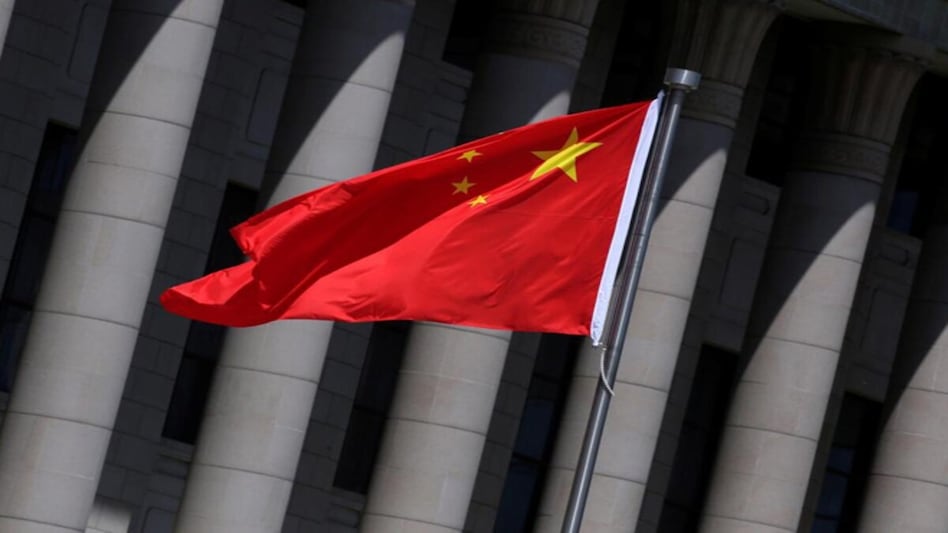
 China's overall urban unemployment rate stood at 5% in June
China's economy slowed in the second quarter, recording its weakest growth since 2022.
Weak domestic demand and higher energy costs linked to the US-Iran war outweighed strong export growth.

 India must move from assembly-led growth to end-to-end manufacturing capability: N Chandrasekaran
 Will RBI hike repo rate? MPC begins 3-day meet as surging crude oil, inflation test policy limits
 HDFC Bank shares rise, m-cap swells Rs 12,027 crore as Anup Bagchi named MD & CEO
 Beyond tax slabs: FM Sitharaman signals upcoming GST Council push for process reforms
 Up 1,050% in 9 months! Nirmal Bang sees 40% upside in this multibagger stock; here's why
 Karnataka SIR Row: Voters Allegedly Deleted As ‘Shifted’ Or ‘Dead’, India Today Investigates
 Gold Vs Silver: Which Should Investors Buy? Ajay Kedia Shares His 70:30 split Strategy
 Can You Sell Bonds Before Maturity? Liquidity, Exit & Penalties Explained
 Bonds Vs FDs: Are Bonds A Better Alternative For Higher Returns? Risks Explained
 Should You Buy Gold Now? Festive and Wedding Season Strategy Explained
 Jio Platforms IPO date, size, listing: Check tentative times; all key information you need to know
 LG Electronics shares jump 6% to hit record high; what's fuelling the rise?
 L&T shares advance 2% on bagging orders across Saudi Arabia, UAE and India
 Suzlon, BHEL, Adani Power, Tata Power, Waaree, Inox Wind, NTPC: Q2 results preview; likely hits & misses
  South Indian Bank stock gains 3% on Q2 business update, can it breach record high?Karnataka SIR Row: Voters Allegedly Deleted As ‘Shifted’ Or ‘Dead’, India Today Investigates
 Anthropic Claude models get local inference in India via Amazon Bedrock: What it means for you
 Trump confuses Brazil with India, says 125 million voted in ‘India’s Presidential Election’Jio Platforms IPO date, size, listing: Check tentative times; all key information you need to know
 How that battle at The Tata Sons is testing how far a board can go












