


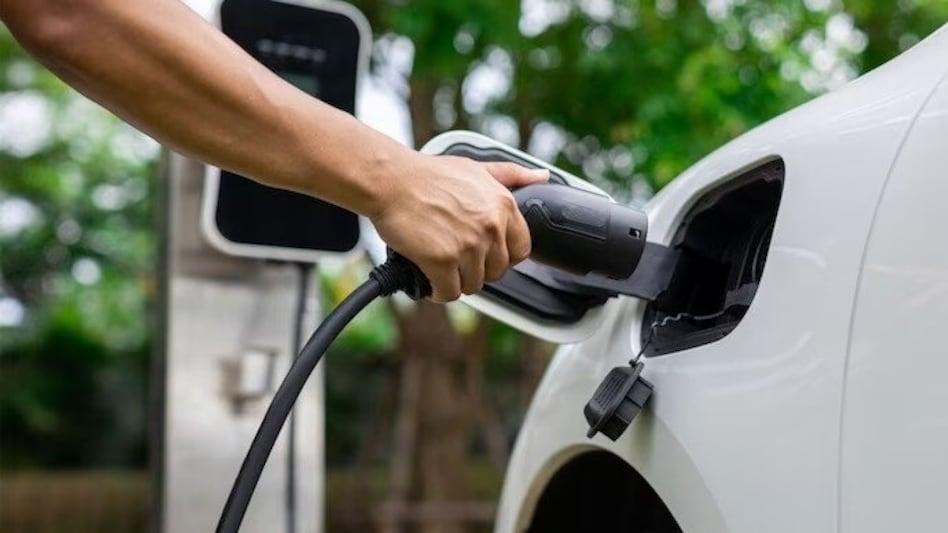
 Centre considers extending EV subsidies beyond March 31
The Centre is considering extending subsidies for electric two-wheelers (e-2Ws) and three-wheelers (e-3Ws) under the PM E-DRIVE scheme beyond the March 31, 2026 deadline, sources told Business Today, adding that the matter was reviewed by the Prime Minister’s Office (PMO) earlier this week.
The proposal, initiated by the Ministry of Heavy Industries (MHI), has been taken up with the Finance Ministry following a review at the PMO on Monday, where the status of fund utilisation and adoption trends in key EV segments were discussed, according to people aware of the development.

 Why Tata Sons got ₹28,291 cr from TCS in FY26, down from ₹32,184 cr in FY25
 ‘Extremely disturbing occurrence ’: MeitY reacts to removal of PM Modi video, seeks explanation from Meta
 Will your child be job-ready by 2035? Why AI, robotics learning can give your child a head start for future jobs
 Luxury or clever marketing? Realtor's viral Gurugram vs Canada comparison triggers debate
 These jobs are getting the biggest salary hikes in FY27 — and they're not in IT
 Anti-Paper Leak Bill Debate: Jitendra Singh Lists Past Exam Leaks, Corners Opposition
 Tata Power Bets Big On 5.3 GW Pipeline! Management Sees Higher Margins & Strong FY27 Demand
 Term Insurance Vs Life Insurance: What's The Difference? | Personal Finance | Money Today
 Canara Bank Q1 Results Decoded | MD & CEO Brajesh Kumar Singh On Growth, NPAs & FY27 Outlook
 Daily Calls: Ask Your STOCK MARKET TODAY QUERIES | Market Update | Share Market News Today
 L&T Q1 results: PAT rises 14% to Rs 4,123 crore; revenue up 7%
 Tata Capital Q1 results: PAT jumps 56% YoY to Rs 1,547 crore; AUM rises 22%
 KPIT Tech, Firstsource: What to do with these two battered IT stocks?
 BTTV Exclusive | Tata Power sees sustained performance across rooftop, manufacturing, T&D businesses in coming quarters: CEO
 BTTV Exclusive | Canara Bank's MD and CEO on FY27 guidance, RAM growth and FCNR(B) flows
  All decks clear for Willie Walsh taking over as IndiGo CEOL&T Q1 results: PAT rises 14% to Rs 4,123 crore; revenue up 7%
 No electricity for 19 years: This West Bengal family's first fan and light will leave you emotionalTata Capital Q1 results: PAT jumps 56% YoY to Rs 1,547 crore; AUM rises 22%
 Grid bottleneck: India forced to switch off enough solar power to run 1.4 million homes










