


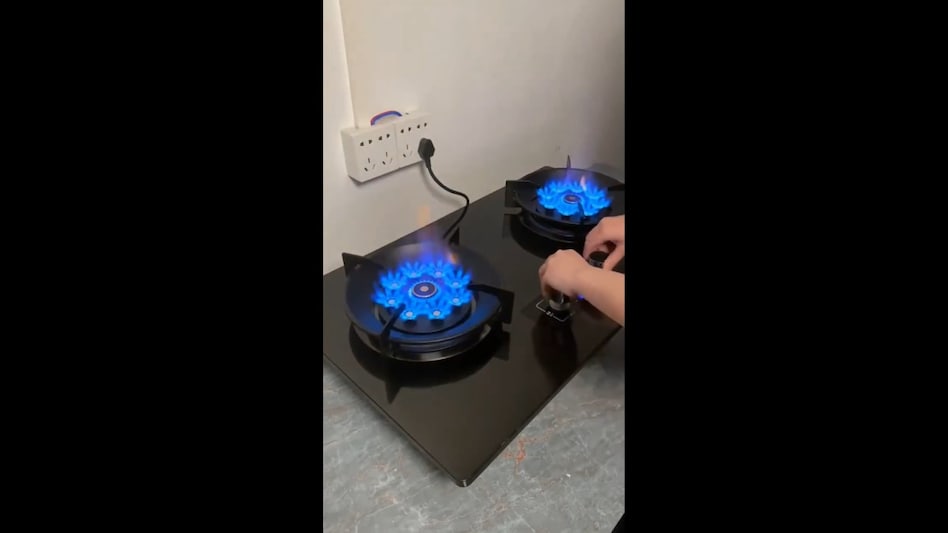
 Demonstrations of the technology circulating on social media have sparked curiosity and debate, with many wondering whether such stoves could one day replace traditional gas burners in Indian kitchens.
 For decades, the sound of a gas lighter clicking against an LPG stove has been a daily ritual in Indian homes. The blue flame that follows powers millions of kitchens across the country, from urban apartments to rural households. But a new technology making waves online suggests the future of cooking may not require LPG cylinders or piped gas at all.
Enter the plasma cooking stove — a device that can generate a powerful flame-like heat using electricity instead of conventional fuel. Demonstrations of the technology circulating on social media have sparked curiosity and debate, with many wondering whether such stoves could one day replace traditional gas burners in Indian kitchens.

 Tata Trusts asks Tata Sons to explore options other than listing, says ‘Tata Model has to be saved’
 Tata Trusts proposes ₹25,000 crore plan for SP Group, says Tata Sons listing is not an option
 'RBI letter does not mention listing': Noel Tata seeks full briefing on Tata Sons-RBI talks
 'We cannot put the cart before...': Noel Tata's argument against N Chandrasekaran's reappointment
 Tata Trusts opposes N Chandrasekaran reappointment, says board resolution is ‘legal nullity’
 How India Changed In 12 Years: PM Modi’s Journey From Economic Reforms To Viksit Bharat
 Modi @76: From Twitter To Instagram, How His Digital Outreach Has Evolved
 Stock Picks To Watch: Shibani Kurian Reveals Kotak AMC’s Market Bets
 Gold ETF vs Physical Gold: Know the Tax Rules, Charges and Key Differences
  PPF vs NPS: Tax Benefits, Returns and Lock-in Period Explained for Retirement Planning
 Hero Motors IPO subscribed 3.37 times on Day 2; retail portion subscribed over 5 times
 NSE IPO: India's largest exchange gets 43% subscription on Day 1; NIIs, retail see strong demand
 Rentomojo shares settle maiden trade nearly 32% above IPO price; what should investors do now?
 Sensex slips, Nifty settles higher; Tata stocks gain after N Chandrasekaran reappointment
 Cochin Shipyard, KRBL, RITES, Ramky Infrastructure among stocks to turn ex-dividend on September 18
 TVS Motor to increase monthly EV capacity to over 50,000 units as sales boom
 'Foreign investors want only returns': Noel Tata explains why he opposes listing Tata SonsTata Trusts proposes ₹25,000 crore plan for SP Group, says Tata Sons listing is not an option'RBI letter does not mention listing': Noel Tata seeks full briefing on Tata Sons-RBI talks
 Want EPFO Updates On WhatsApp? Here’s How To Follow The Official Channel In Just A Few Steps












