


 Common percussion instruments include drums, tambourines, cymbals and maracas.
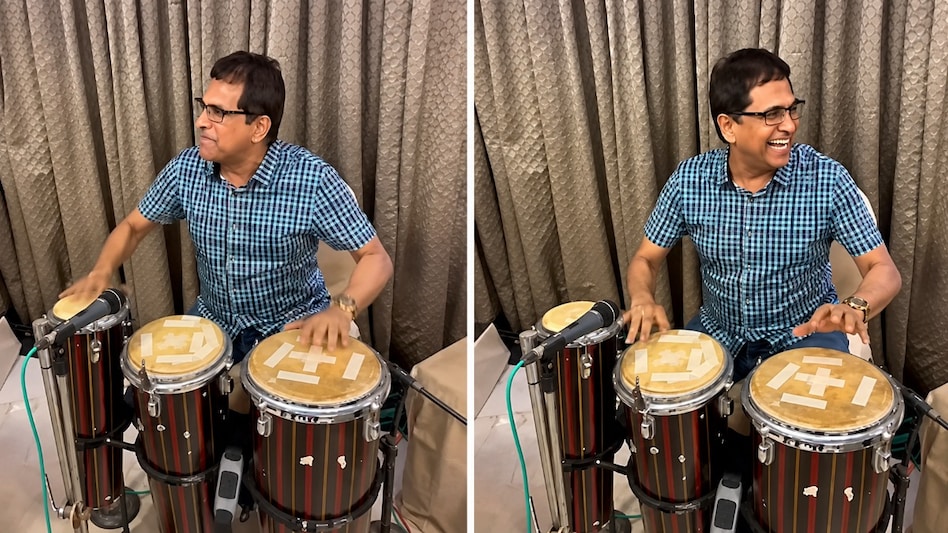
Ace investor Vijay Kedia shared a light-hearted post on LinkedIn, giving his followers a glimpse of his love for music. In the video, Kedia is seen playing a percussion instrument, a musical instrument that produces sound when it is struck, shaken or scraped.
Common percussion instruments include drums, tambourines, cymbals and maracas.

 Why India’s Great Nicobar port faces fierce competition from Asian megaports
 Did customs delays sink India's 2005 AMD semiconductor project? Vaishnaw says: 'Learnt from past attempts'
 $100,000-a-month: Trump Media unveils Truth API for investors, draws calls for SEC probe
 IMD monsoon forecast: Heavy rain alert for multiple states till August 8; northeast on high watch
 Ancient Silk Route to Tibet reopens: India-China trade through Shipki La resumes after six years
 Why Are I.T. Stocks Returning To PMS Portfolios? Expert Explains The Value Opportunity
 Buying Term Insurance? Never Hide These Health Details Or Risk Your Claim Being Rejected
 India’s Logistics Game Is Changing: The Big Infra Push Explained
 Active Vs Passive Mutual Funds: Which Gives Better Returns For SIP Investors?
 IRFC CMD Manoj Kumar Dubey Reveals Top Funding Priorities Beyond Railways & IRFC 2.0 Vision
 Astra Microwave shares: Analyst on what should investors do post rally in defence stock
  Oswal Pumps shares to test Rs 290? Expert flags damaged chart structure, advises exit
 Mazagon Dock shares: Brokerages see up to 37% upside after Q1 FY27 results; check latest target prices
 Mukul Agrawal signals exit this multibagger stock after nearly 9x rall; is it still a buy?
 HUL shares: Why analyst prefers Marico, Nestle to the FMCG sector leader in short term
 EU's AI Act goes live: Landmark law targets chatbots, deepfakes & high-risk algorithms
  LPG users, here's why you shouldn't miss the August 16 e-KYC deadlineAncient Silk Route to Tibet reopens: India-China trade through Shipki La resumes after six years$100,000-a-month: Trump Media unveils Truth API for investors, draws calls for SEC probe
 No more waiting for an LPG connection? BPCL rolls out Bharatgas Lite ZIP with 10-kg fibre composite cylinder










