









 Experts now point to currency-hedged alternatives like GIFT City as smarter investment avenues.

 Experts now point to currency-hedged alternatives like GIFT City as smarter investment avenues.
A growing trend has emerged among Non-Resident Indians (NRIs) who are increasingly investing in India's real estate market, attracted by rising property prices and the sentimental value of owning property in their home country.
Entrepreneur and veteran banker Sai Sankar M noted that in 2024, NRIs contributed to nearly 15% to 25% of investments in new residential projects across India's top seven cities. However, underlying financial challenges are becoming apparent due to currency depreciation, which may significantly diminish these investments' returns when converted into US dollars.
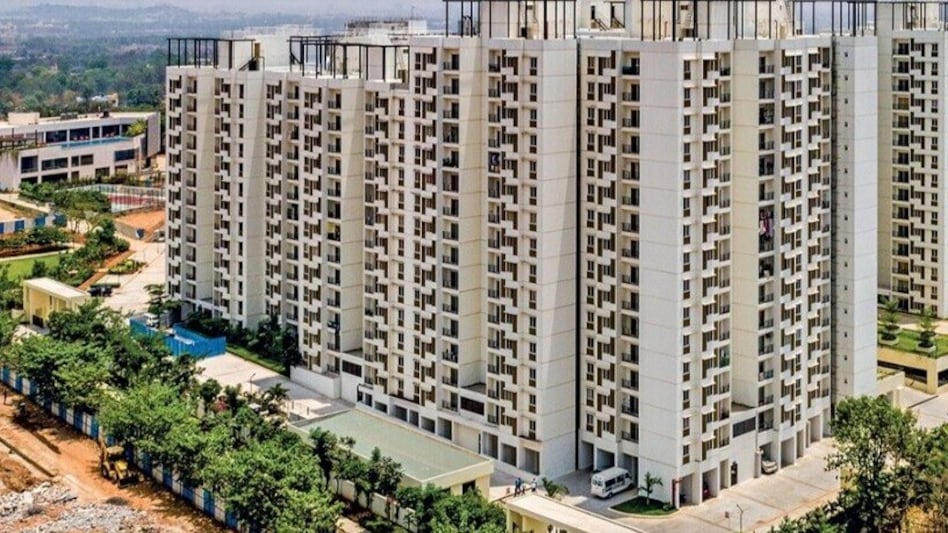
In a post on LinkedIn, Sai elaborated on a case study that illustrated this financial conundrum. An NRI purchased a flat in Pune in 2010 for ₹40 lakh, spending an additional ₹5 lakh on interiors, for a total outlay of ₹45 lakh. At the time, the exchange rate stood at ₹45 to a US dollar, amounting to approximately $100,000. By 2024, the flat's value increased to ₹1 crore, yet after accounting for taxes and currency exchange, the USD gain was only $2,941, equating to a mere 3% total return over 14 years. This illustrates how substantial rupee appreciation might be offset by currency depreciation.
Sai stated: "This is the hidden trap for NRIs—what seems like an impressive appreciation in rupee terms is often wiped out when you factor in the steady decline of the Indian rupee."
Since 2010, the rupee has depreciated from Rs 45/USD to Rs 85/USD, a drop of approximately 47%. This depreciation means that unless a property's appreciation significantly outpaces the currency's decline, the real gains for NRIs could be negligible.
An NRI purchased a flat in Pune in 2010—an up-and-coming city with strong growth prospects.
Purchase Price (2010): ₹40 lakh
Interior & Other Costs: ₹5 lakh
Total Investment: ₹45 lakh
Dollar value at ₹45/USD: ~$100,000
Fast-forward to 2024. The same flat is sold for ₹1 crore.
Capital Gains Tax: ₹12.5 lakh
Net Proceeds: ₹87.5 lakh
Dollar value at ₹85/USD: ~$102,941
Despite the flat more than doubling in value (122% appreciation in INR terms), the net gain in USD terms over 14 years is just 3%. That’s less than 0.2% annualized, and even lower than inflation in most developed countries, Sai noted.
Investment options
For NRIs aiming to optimise their wealth, currency-hedged options such as GIFT City (Gujarat International Finance Tec-City) offer a promising avenue. This platform allows investments in foreign currency-denominated products like mutual funds and bonds, which do not trigger Indian taxation nor require heavy compliance. It provides access to global markets with stable currencies, effectively mitigating currency risk.
While the emotional allure of owning property in India is strong, experts stress that NRIs should carefully consider the economic implications. Emotional factors such as legacy and family ties need to be weighed against potential financial returns, especially as funds might alternatively be invested into higher-yielding, globally diversified assets. For many, the idea of retiring back home or leaving a legacy is compelling, but it is crucial to align these aspirations with financial realities.
Ultimately, Indian real estate can still be a viable personal investment for NRIs. However, those focused on financial gains must evaluate returns in terms of currency, tax implications, and opportunity costs. The prospect of what appears to be a prosperous investment could, when adjusted for currency depreciation, result in a far less impressive outcome. Therefore, a strategic approach, considering both emotional and economic factors, is essential for making informed investment decisions. Additionally, NRIs should remain vigilant about market trends and currency fluctuations to safeguard their investments.
 HDFC Bank shares in focus as Rajiv Kumar named part-time Chairman
 ‘People ask why it’s taking so long’: Only 1% negotiations left for India-US trade deal, says Sergio Gor
 'We will cut off those hands': Pakistan minister threatens India over Indus water row
 Using Indane, Bharat Gas or HP Gas? These rules could affect your bill & connection from July 1
 Top stocks in news: HDFC Bank, RITES, YES Bank, Concor, Axis Bank, SW Solar, Afcons Infra
 Why Jio BlackRock AMC Is Launching Hybrid Long-Short As It's First SIF
 Delhi Unveils ₹15,000 Crore EV Policy: What It Means For Auto Companies And Consumers
 Gold, Silver Or Crude? Where Should Investors Bet Now? | Vandana Bharti
 How India Strategically Managed LPG & Crude Oil Supplies During West Asia War | K. Surana Explains
 Delhi’s Green Revolution: CM Rekha Gupta Unveils Massive ₹15,000 Crore EV Policy To Combat Pollution
 BT Opening Bell | Sensex, Nifty open in green; Maruti, Axis Bank, Sun Pharma top gainers
  Adani Power, NTPC, ACME Solar shares among Antique's top power sector picks
 YES Bank stock in focus as board approves Rs 16,000-crore fundraising plan
  Adani Ports shares in focus: APSEZ to sell 49% stake in AVPPL to MSC Group for $1.4 billion
 Nifty monthly expiry today: Kotak Securities suggests this options strategy; check details