


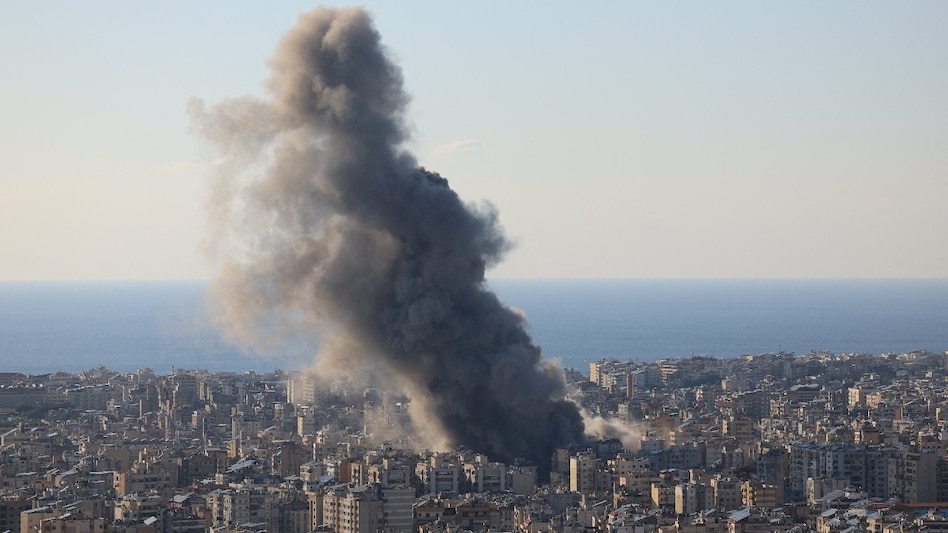
 Iran war: The Morgan Stanley report noted that the Strait of Hormuz is one of the most important oil routes in the world, carrying roughly 20% of global oil and liquefied natural gas supplies.
The escalating conflict involving the United States, Israel and Iran could have significant implications for global markets, inflation and economic growth, according to a recent Morgan Stanley report. The investment bank outlined seven key points investors should watch as geopolitical tensions rise in the Middle East.
Here is a simplified breakdown of the major insights.
1. Duration of the conflict is critical
How long the conflict lasts will largely determine its economic impact. A short and contained conflict may have limited effects on markets and the broader economy.
However, if the fighting continues for several weeks or longer, it could create sustained pressure through higher oil prices, rising inflation and increased financial market volatility.
2. Strait of Hormuz is a major risk factor
The Strait of Hormuz is one of the most important oil routes in the world, carrying roughly 20% of global oil and liquefied natural gas supplies.
If tensions escalate and oil shipments through this narrow waterway are disrupted, global energy prices could rise sharply. Higher fuel costs would likely increase inflation and reduce consumer spending.
3. Oil price spikes can quickly increase inflation
Morgan Stanley estimates that a 10% increase in oil prices could raise US consumer inflation by about 0.35% within three months.
Higher energy costs often spread across the economy through transportation, manufacturing and household expenses.
A stronger US dollar could partially offset inflation pressures, but prolonged geopolitical instability may still push prices higher.
4. Consumers may feel the impact after a delay
Initially, households may absorb higher fuel costs by using savings or maintaining spending levels.
However, Morgan Stanley notes that real consumption usually starts declining two to three months after an oil price shock and can remain weak for several months. The impact depends on how long energy prices stay elevated.
5. Political implications could rise in the US
Higher fuel and living costs could also influence the US midterm elections, where affordability is already a major concern.
Public reaction may remain muted if the conflict ends quickly. But if tensions persist and energy prices stay high, cost-of-living issues could become a more dominant political topic.
6. The Federal Reserve may face policy challenges
An energy shock could complicate the Federal Reserve’s interest rate decisions.
If inflation rises due to higher oil prices, the Fed may hesitate to cut rates. At the same time, tightening policy too aggressively could slow economic growth.
As a result, the central bank may prefer smaller rate adjustments or pause rate changes until the economic outlook becomes clearer.
7. Higher defence spending may affect markets
Military escalation could lead to a sharp increase in US defence spending. President Donald Trump has proposed a $1.5 trillion defence budget, which would be about 50% higher than current levels.
Higher government spending could widen fiscal deficits and push long-term bond yields higher. Rising bond yields can create pressure on both equities and long-duration bonds.
Market implications for investors
Historically, financial markets have sometimes performed well during wartime. For example, stocks delivered double-digit gains during the Gulf Wars within three to six months, with defence companies leading the rally. However, prolonged geopolitical tensions could keep oil prices elevated and increase market volatility.
Morgan Stanley notes that geopolitical risk is becoming a structural feature of global markets, rather than a temporary event. As a result, investors may increasingly consider sectors such as defence, aerospace, security and industrial supply chains, where government spending could drive long-term growth.

 Who is Pralhad Joshi? Modi names veteran Karnataka BJP leader to lead Education Ministry after Pradhan's exit
 Third round of talks: CJP ends 49-day-long protest, says govt accepted 'key demands'
 Dharmendra Pradhan resigns, says decision taken to protect students' future amid NEET row
 All about Dharmendra Pradhan's educational qualification, wealth, assets and more
 India's first REIT mutual fund is here. Can it change how Indians invest in real estate?
  FDs vs Markets: Where Should You Keep Your Short-Term Money?
 Why Term Insurance Is Essential for Every Earning Member | Sum Assured & Coverage Explained
 Pakistan's Alleged Terror-Politics Nexus: Lashkar Links Spark Questions Over Fazlur Rehman
 Think Life Insurance Is Optional? Here's Why Every Indian Family Needs It Today
 FD Vs Arbitrage Fund: Which Is Better For High Taxpayers?
 Adani Power: 45 GW target, Rs 2 lakh crore capex plan among conference call highlights
  ITC Hotels, Chalet, Ventive, IHCL, SAMHI: Hotel stocks to buy despite travel disruptions
 ITC shares: Rs 307 a key short-term level to watch; here's target price
 Mphasis shares: FY27 guidance maintained; brokerages keep 'Buy' after Q1; check target price
 Should you buy every IPO? Research suggests patience may be the smarter strategy
 New York's $400 million climate bet: How a million trees are cooling a city the city from extreme heat Who is Pralhad Joshi? Modi names veteran Karnataka BJP leader to lead Education Ministry after Pradhan's exit
 Houthis target Saudi Aramco sites in Jizan and Yanbu as Red Sea tensions take a new turn
  Lifestyle inflation, delayed investing, high-interest debt: 3 biggest money mistakes young professionals makeThird round of talks: CJP ends 49-day-long protest, says govt accepted 'key demands'









