


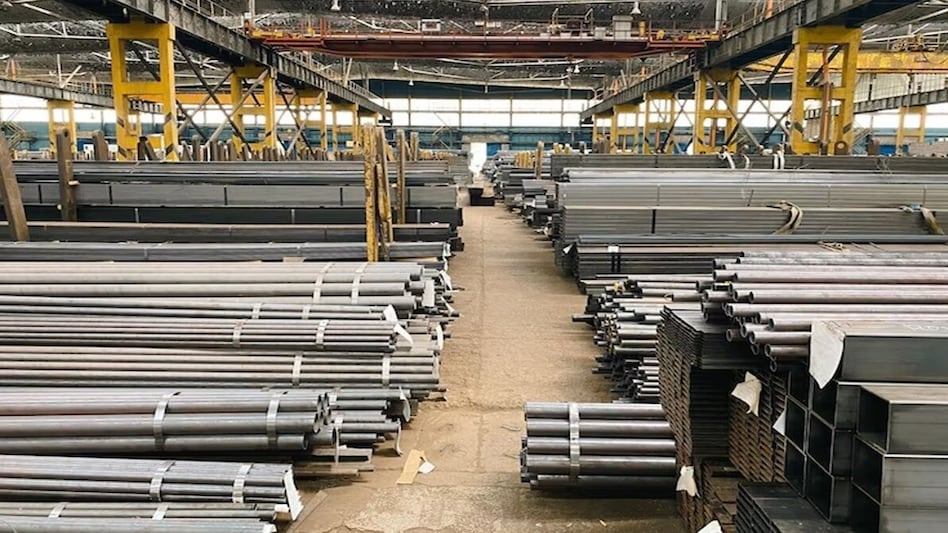
 West Asian producers account for nearly 9% of global aluminium supply, making the Strait of Hormuz a critical artery for the metal's trade.
Aluminium prices and shares of major metal producers came under sharp pressure on Monday after easing tensions in West Asia reduced fears of supply disruptions. The prospect of smoother shipments from Gulf producers triggered a selloff in the metal, dragging down stocks such as NALCO, Vedanta Aluminium and Hindalco Industries.
US-Iran agreement

 LIC weighs NSE IPO strategy: CEO says market conditions, valuation to decide final move
 FCNR(B) windfall lifts NBFCs, small private banks: Why these stocks may be the bigger winners
 APL Apollo, GNFC, Apar, Force Motors among stocks to turn ex-dividend next week; big payouts in focus
 Jio at 10: Akash Ambani marks milestone with a vision for global expansion
 Govt won't step into Singapore Airlines' Air India call, says Singapore minister
  FSSAI CEO On Misleading Food Ads, Brand Crackdowns And Pressure From Industry Lobby
 Couples & Tax Planning: How Smart Expense Planning Can Help Reduce Family Tax Outgo
 Mutual Fund Allocation: How Much Should Investors Allocate To Large, Mid & Small Cap Funds?
 LIC CEO On Sustaining Blockbuster Q1 Growth Amid Market Uncertainty
 Travel Insurance Mistakes: Sub-Limits, Pre-Existing Conditions & Medical Evacuation Explained
 APL Apollo, GNFC, Apar, Force Motors among stocks to turn ex-dividend next week; big payouts in focusLIC weighs NSE IPO strategy: CEO says market conditions, valuation to decide final move
 IHCL, LemonTree, Chalet among 5 hotel stocks to buy; analysts see up to 49% upsideFCNR(B) windfall lifts NBFCs, small private banks: Why these stocks may be the bigger winners
 20 Asia-Pacific stocks with up to 145% upside: Full ‘Going For Glory’ list, no Indian stock included
 India targeting 50 launches a year. One organisation can't do it: Pawan Goenka amid ISRO staff's letter
 Clash with BRICS Leaders’ Summit: GST Council meeting likely to be rescheduled
 Next big war? Israel says Iran planning multi-front attack with Hezbollah, Hamas, Houthis
 Oman is becoming a new favourite among Indian tourists. Here’s whyFSSAI CEO On Misleading Food Ads, Brand Crackdowns And Pressure From Industry Lobby












