


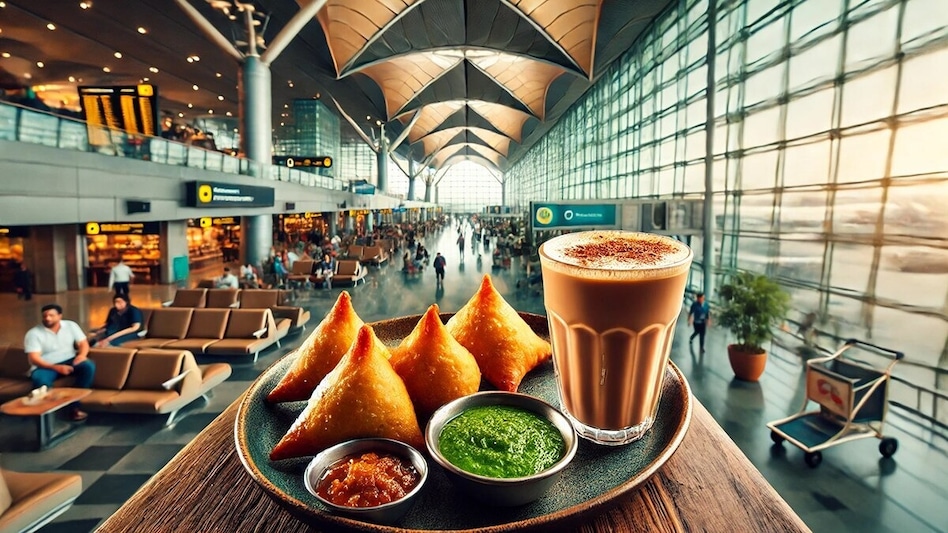
 Experts said a ₹20 chai and ₹100 sandwich may feel harmless until ₹120 is spent every single day for a month, adding to your monthly expense.
For millions of salaried professionals, buying lunch at the office, grabbing a coffee between meetings or ordering dinner during late work hours feels like an insignificant daily expense. But financial experts say these small, routine purchases can quietly add up to tens of thousands of rupees a year, making workplace food one of the most overlooked lifestyle expenses for urban employees.
According to HungerBox, an urban salaried employee typically spends between ₹3,000 and ₹5,000 every month on workplace food and beverages, with many failing to actively monitor the expenditure. Over a year, that translates to ₹38,000-70,000, while frequent food delivery users could end up spending close to ₹1 lakh annually.

 NSE IPO: Institutional interest strong; business highly profitable, says Ashishkumar Chauhan
 Paytm says new UPI MDR will generate additional revenue from merchant business
 ‘Inevitable but doesn’t make sense in some cases’: Zerodha’s Nithin Kamath on MDR on UPI transactions over ₹2000
 Oracle layoffs not about ‘doing more with less,’ says CFO Hilary Maxson
 ‘The additional revenue will help’: MobiKwik, PhonePe founders back MDR charge on UPI transactions over ₹2000
 UPI Charges From October 15? What The New MDR Rules Mean For You
 UPI Payments Above ₹2,000 Face MDR: Who Pays The New Fee?
 Indian Markets Face More Sell-Off? Crude, U.S. Yields & Fed In Focus | Stock Market News
 NSE IPO Vs BSE: Valuation, Listing Impact & What Investors Should Watch
 FMCG Stocks Rally: Why Inflation Could Hit Margins And Pricing Power
 Solar Industries stock plunges 17% in two days; here's what DAM Capital says NSE IPO: Institutional interest strong; business highly profitable, says Ashishkumar Chauhan
 Welspun Living's arm gets credit rating upgrade, check stock reaction
  YES Bank, BOB, PNB, IndusInd Bank, HDFC Bank shares: Key beneficiaries of MDR charges
 Tata Chemicals shares zoom 29% in two days on Tata Sons listing hopes
  ‘Turnover looks big but margins are small, expenses are real’: Entrepreneur writes to PM Modi asking for fairer MDR UPI Charges From October 15? What The New MDR Rules Mean For You
 IIM Bangalore MBA stays No. 1 in India for fifth year, moves up to No. 2 in Asia-PacificUPI Payments Above ₹2,000 Face MDR: Who Pays The New Fee?
 UPI vs debit card vs credit card MDR: How much does each payment method cost merchants?












