


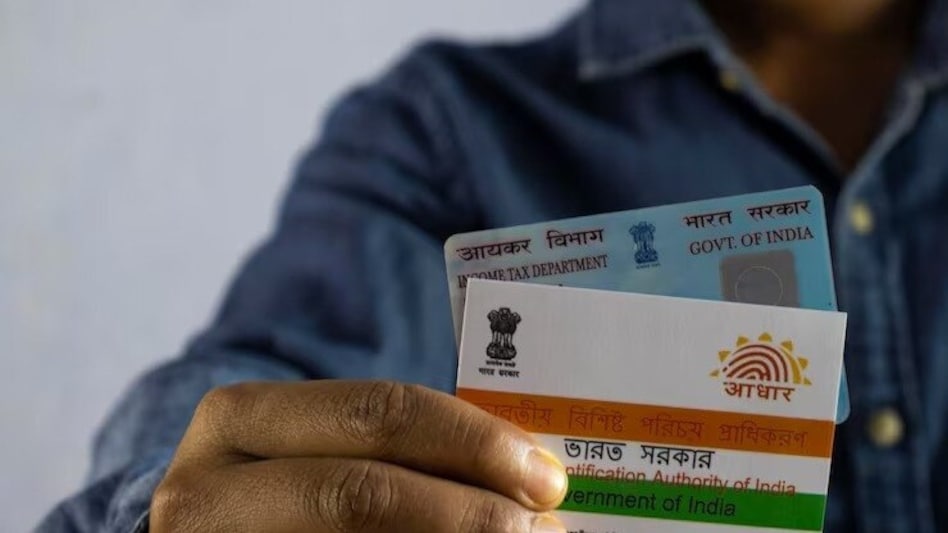
 An inoperative PAN will cause significant financial and administrative hurdles. Individuals will be unable to file or verify Income Tax Returns (ITRs), claim refunds, or process pending returns.
 The clock is ticking for taxpayers across India. The deadline to link the Permanent Account Number (PAN) with Aadhaar has been set for December 31, 2025, and the Income Tax Department has warned that failure to complete this linkage will render the PAN inoperative from January 1, 2026. This move is part of the government’s ongoing effort to streamline tax administration and curb duplication and tax evasion through multiple PANs.
According to a notification issued by the Central Government on April 3, 2025, every individual who was allotted a PAN using an Aadhaar Enrolment ID before October 1, 2024, must link their Aadhaar number with PAN before the deadline. Once Aadhaar is issued, linking becomes mandatory even if the PAN was initially generated through an enrolment ID.

 Will RBI raise interest rates in October? Here’s what experts have to say
 Bitter Friday for Nestlé: Russia seizes assets as Moscow targets Western firms over Ukraine support
 West Asia impact: Saudi Aramco halts European crude allocations after East-West pipeline attack
 Tata Electronics partners with Japanese, Malaysian firms to boost semiconductor manufacturing in India
 From selling gold to spending ₹3.5 lakh: iPhone 18 Pro fever hits India as fans queue up on sale day
 “Unacceptable And Unprofessional”: MEA Rejects Pakistan’s Claims Over INS Kolkata Collision
  Commodity Trading For Beginners: How MCX & NCDEX Work | Trading Basics | Money Today
 US Fed Rate Hikes A Headwind For Foreign Flows? | Jibi Jacob | Jefferies
 ₹25 Billion FII Outflow: What Could Bring Foreign Investors Back? | Jefferies' Jibi Jacob
 India’s Private CapEx Picks Up: Christopher Wood On The Market Outlook
 Jindal Supreme, SS Retail, Hero Motors IPOs subscribed up to 181 times on final day; details here
 Sensex, Nifty post sixth weekly loss; TCS, Titan among top laggards, slip up to 4%
 How AI collapse could benefit Indian equity market; Jefferies' Christopher Wood explains
  Banks are no more secular growth story, prefer NBFCs: Chris Wood
 Jefferies' Christopher Wood sees gold at $10,000 'sooner or later'; likes India's small, midcaps
 Influencer announces 'iPhone Langar' in Chandigarh, distribution set for September 22
 LinkedIn top MBA Programs 2026: ISB ranks 5th globally, 7 Indian B-schools in top 100
 Canada visa processing: Indians get faster visitor visas, Super Visa wait hits 70 days
 Countries with the highest take-home pay: Switzerland tops global ranking, Check full list here
 Fueling India’s tech surge: NaBFID lines up ₹3,000 crore loans for data hubs












