


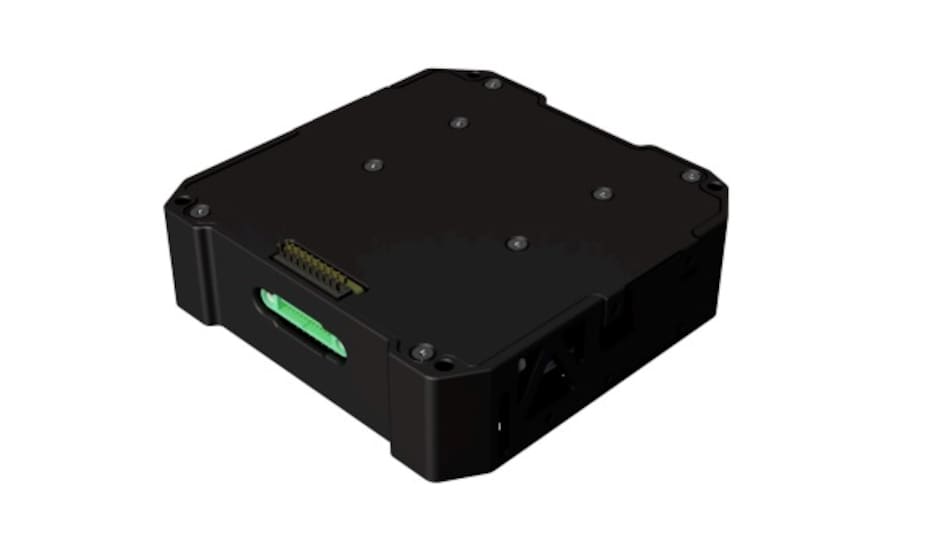
 TakeMe2Space's PowerBank-50, an indigenously developed satellite battery pack
India's private space sector achieved a significant milestone with the successful launch of Skyroot Aerospace's Vikram-1 rocket, the country's first privately developed launch vehicle to reach orbit. Alongside this achievement, another breakthrough quietly unfolded in space: TakeMe2Space's PowerBank-50, an indigenously developed satellite battery pack, became the first commercially available, off-the-shelf Indian satellite battery to successfully operate in orbit, earning what the industry calls "flight heritage."
What is PowerBank-50?
 90% EVs exported out of India are from Maruti Suzuki: MD & CEO Hisashi Takeuchi
 India's $30 trillion goal needs 8-10% growth, $400 billion more annual investment: Jayant Sinha
 1.1 billion barrels gone: IMF warns that global oil market is running out of safety cushions
 From Devbhoomi to industrial destination: Uttarakhand’s manufacturing moment
 India’s deep-tech startups face a new test: Crossing the valley of death
 #IndiaAt100 : Adipen Bose Nandhiji On Conscious Capitalism- Can Profit & Purpose Coexist?
 #IndiaAt100 : Hisashi Takeuchi On Driving India’s Manufacturing Revolution
 #IndiaAt100 : Manufacturing For Viksit Bharat | Can Industry Power India’s $30-Trillion Dream?
 #IndiaAt100 : Tarun Garg On Hyundai & India’s Manufacturing Powerhouse Ambition
 #IndiaAt100 : CM Pushkar Singh Dhami On Uttarakhand’s Industrial Growth & India’s Next Leap
 Cupid, NTPC Green, NTPC, Raymond Realty, HAL shares: Key technical levels to watch
 Defence stock with Rs 2,654-crore order book hits record high; here's why
  GACM Technologies: FII holding jumps to 29%; penny stock in focus
 Puravankara shares rise 5% on fresh order win
  20 high-conviction ideas for up to 95% upside | stocks to buy #IndiaAt100 : Adipen Bose Nandhiji On Conscious Capitalism- Can Profit & Purpose Coexist?#IndiaAt100 : Hisashi Takeuchi On Driving India’s Manufacturing Revolution#IndiaAt100 : Manufacturing For Viksit Bharat | Can Industry Power India’s $30-Trillion Dream?#IndiaAt100 : Tarun Garg On Hyundai & India’s Manufacturing Powerhouse Ambition
 Rising demand, Make in India focus driving manufacturing growth in India, but speed bumps need to be addressed, say experts












