


 The International Maritime Organization (IMO) recommends that vessels remaining idle for more than 30 days undergo biofouling management before sailing.
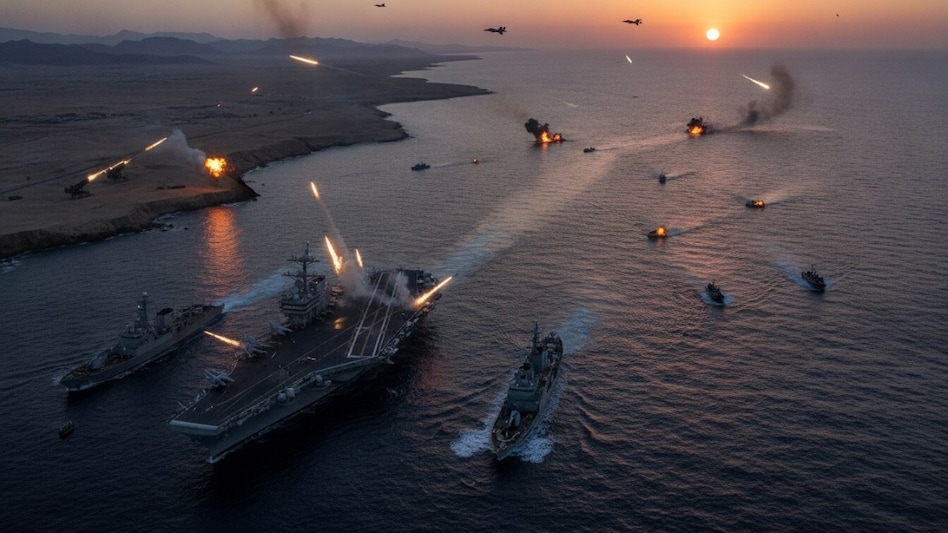
 Nearly five months after the United States-Iran conflict escalated into open hostilities on February 28, 2026, scientists are warning of an unexpected environmental consequence of the prolonged disruption to global shipping.
With the Strait of Hormuz effectively closed, more than 1,500 commercial vessels have remained stranded in the Persian Gulf, while hundreds more are waiting in the neighbouring Gulf of Oman. Beyond disrupting one of the world's busiest energy corridors, researchers say the prolonged lay-up of these ships could unleash a worldwide marine invasive species event once normal shipping resumes.

 NSE IPO: Exchange raises Rs 6,746 crore from 189 anchor investors; LIC, GIC, Fidelity among buyers
 India’s chip push goes global: Semiconductor heavyweights deepen footprint ahead of SEMICON 2026
 NSE IPO opens tomorrow: Brokerage weighs growth prospects, valuation; what GMP indicates
 UPI MDR: No rollback of 0.4% fee above Rs 2,000; govt says move will make UPI self-sustainable
 From Rs 300 to Rs 25,000: How the wage ceiling under EPFO has increased over the years
 “Onion Prices Down 9% In 9 Days”: Nidhi Khare On Availability And ₹35/Kg Retail Sales
 Indian Markets At A Crucial Juncture: Nifty, Crude, Fed & Smallcaps | Jaipuria
 Nifty At 23,200: Crude Oil, U.S. Fed Rate Hike Fears & Market Outlook Explained
 “7.8% Growth Is Not Random”: FM Sitharaman Credits India’s People, Industry And MSMEs
 Indian I.T. Stocks: Why AI Disruption & Weak Growth Are Making Investors Rethink Their Bets
 NSE IPO: 26 crore investor accounts and 3,000+ listed companies — 10 numbers to know
 US Fed rate hike: Why India could face pressure from higher US yields and a stronger dollarNSE IPO: Exchange raises Rs 6,746 crore from 189 anchor investors; LIC, GIC, Fidelity among buyersNSE IPO opens tomorrow: Brokerage weighs growth prospects, valuation; what GMP indicates
 Paytm, KRN Heat Exchanger, Ather Energy, Vishal Mega Mart: Expert shares key entry levels, targets
 Dadasaheb Phalke Award 2024 goes to Anant Nag: What comes with the prestigious honour?
 Paid ₹2.08 crore for a flat, but promised gym and badminton court were missing: RERA awards ₹10 lakhNSE IPO: 26 crore investor accounts and 3,000+ listed companies — 10 numbers to knowUS Fed rate hike: Why India could face pressure from higher US yields and a stronger dollar
 Congress opposes UPI charges now. But 5 of its MPs backed Finance panel's MDR push












