


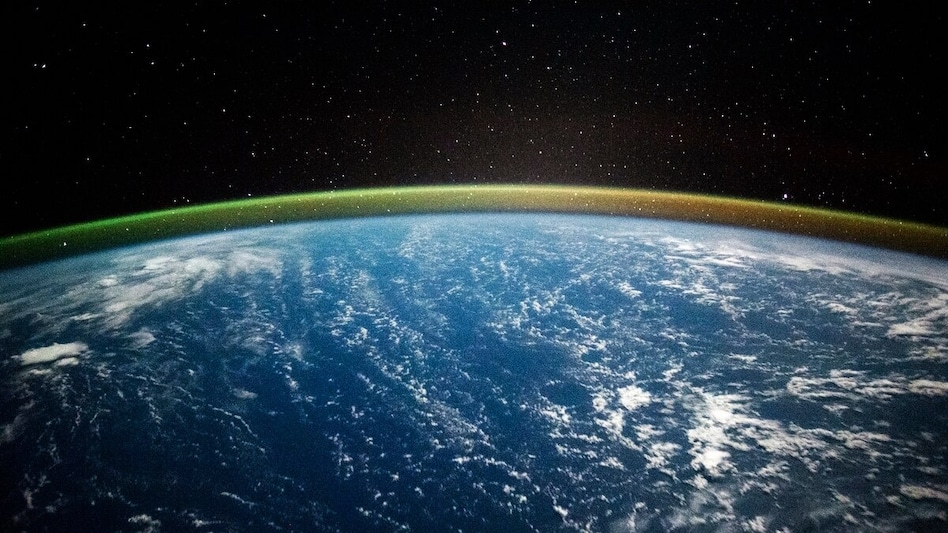
 Scientists discover unusual ozone layer above North Bay of Bengal (Representational image)
Scientists have detected an unusually thick layer of ozone high above the North Bay of Bengal, the Ministry of Science & Technology said on Monday. The layer formed about 21 to 23 km above the Earth's surface and remained there for more than a day.
The discovery has helped researchers understand how ozone-rich air is transported through the atmosphere.

 CNG, hybrids and EVs reshape India's car market: What August sales reveal
 Those who pushed India into ‘Fragile Five’ find these figures difficult to digest: PM Modi on 7.8% GDP growth
  New Maruti Suzuki Baleno launched at Rs 6.09 lakh, gets Level 2 ADAS and ventilated seats
 Tata Technologies: Former CEO Patrick McGoldrick sells shares worth nearly Rs 165 crore
 Tata-owned JLR faces financial pressure: Plans 4,000 UK job cuts as sales fall, US tariffs squeeze margins
 Home Loans & Insurance: How Couples Can Structure Them For Tax Efficiency
 Money & Marriage: How Couples Can Divide Household Expenses, Track Spending And Stay On Budget
 Parag Parikh Flexi Cap Fund Underperformance: Is Fund Size Becoming A Major Challenge For Investors?
 Midcap, Smallcap Funds: Strong Profit Growth Could Keep Investor Flows Robust, But Valuations Matter
 Travel Insurance Guide: Where To Buy, How Much Cover You Need & When To Get It
 Tata Technologies: Former CEO Patrick McGoldrick sells shares worth nearly Rs 165 crore
 Tata Power stock: Choice Broking expects recovery, assigns two price targets
  IPO rush next week: 11 issues eye to raise Rs 7,055 crore; 6 IPOs to open on same day, check details
 600% dividend stock: Check dividend per share, record date, payment date and other key details
 56% rally in TBZ stock: Upper circuit led to record high today; here's why
  Retirement corpus: ₹3.75 crore or ₹4.62 crore -- How much do you need for your golden years in India?
 Invest in a home, or put ₹50 lakh in mutual funds? The answer depends on one key factor
 Tax filing 2026: Missed crypto income in ITR? Why investors could receive an Income Tax notice
 Arctic is losing ice faster: Melt season is now 7.5 days longer than in 1979. What it means?
 How much do people save around the world? Sweden leads, New Zealand and South Africa fall below zero












