


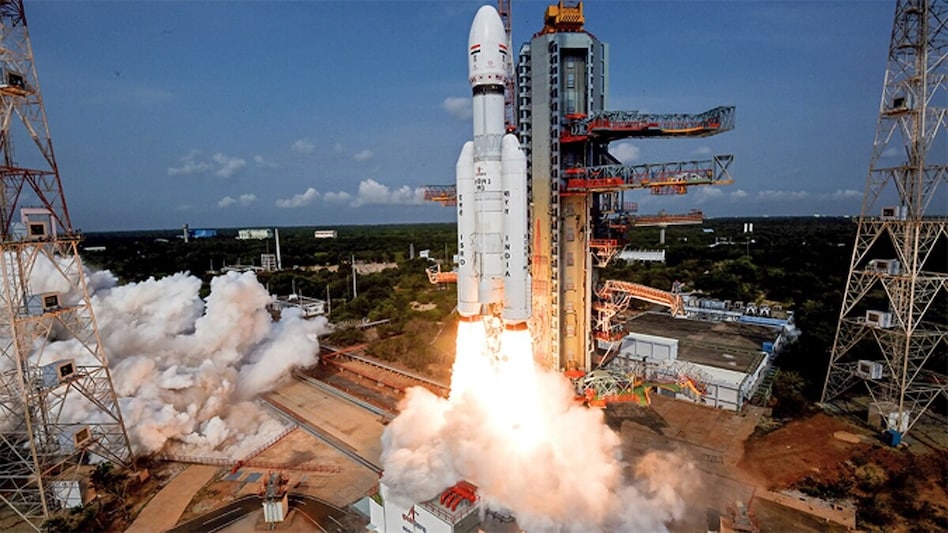
 The Goldman Sachs report argues that space is developing supply chains and infrastructure nodes similar to other industrial sectors.
The commercialisation of space is creating a new industrial value chain in which launch capacity, satellite manufacturing, orbital infrastructure and space-derived data could become critical bottlenecks. As the global space economy expands, companies controlling these chokepoints may be positioned to capture a disproportionate share of the value.
Launch remains the first bottleneck

 'Majority among two is two': Tata Trusts says Chandrasekaran reappointment failed AoA condition, has no legal effect
 ICAI plans further reforms to scale up homegrown accounting firms
 'Modi admin has done a phenomenal job': Blackstone's Jon Gray on what changed in India
 'SC/ST Act is being weaponised': Tech CEO backs IIT Bombay Professor, calls for case withdrawal
 West Asia tensions: Iran hands 7 terms to US via Qatar, warns of all-out war if Trump rejects deal
 Gold Price Target 2026: Expert Sees MCX Gold At ₹1.8 Lakh By Year-End Amid Strong Demand
 Health Insurance: Why Pre-Existing Diseases And Waiting Periods Matter For Buyers
 Crude Oil Above $100: How High Energy Prices And Rupee Weakness Impact Gold Prices In India
 CEA On India’s Manufacturing Rise, Atmanirbhar Bharat And Modi’s Economic Policy
 Health Insurance Buying Guide: 7 Things First-Time Buyers Must Check Before Choosing A Policy
 SpaceX weight in Nasdaq 100 to jump to 2.82% following quarterly index rebalance: Report
 Tata Motors or Ashok Leyland? Analyst reveals his preferred auto stock for near-term gains
 Maharashtra Scooters, Dixon Tech, Bharat Dynamics, Jai Corp among stocks to turn ex-dividend on Monday
 Jindal Supreme, SS Retail, Hero Motors IPOs subscribed up to 181 times on final day; details here
 Sensex, Nifty post sixth weekly loss; TCS, Titan among top laggards, slip up to 4%'SC/ST Act is being weaponised': Tech CEO backs IIT Bombay Professor, calls for case withdrawal
 IMD warns of extremely heavy rain as Bay of Bengal low-pressure system heads towards Andhra-Odisha coast
 EAM S Jaishankar, former Army chief get SIR notices in Delhi
 New CBFC rules mandate anti-drug warning in films depicting drug use'Majority among two is two': Tata Trusts says Chandrasekaran reappointment failed AoA condition, has no legal effect












