


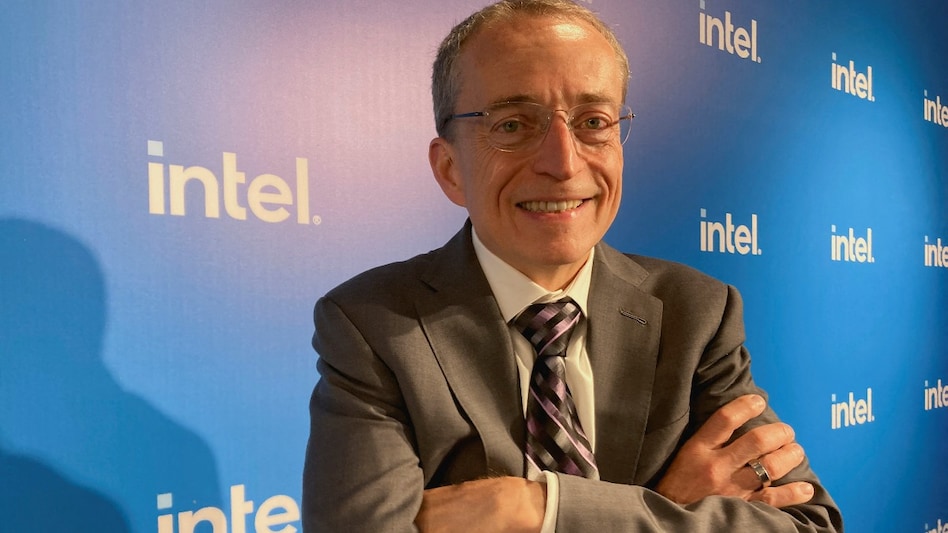
 Intel CEO Pat Gelsinger
Intel's projected second-quarter revenue and profit were below market expectations on Thursday, sent shockwaves through the financial arena as its shares plummeted by approximately 8%. This downturn comes amidst a backdrop of weakened demand for its conventional data center and PC chips, while it struggles to keep pace in the booming market for AI components.
The surge in demand for advanced artificial intelligence server chips has notably impacted Intel's central processing units (CPUs), long regarded as the cornerstone of data centre operations. This shift in preference has seen businesses prioritising investments in high-performance AI chips, a trend that has negatively affected Intel's market share and revenue streams.

 IPO rush at D-st: Varmora, Moneyview, Elevate Campuses among 7 issues to raise over 4,900 crore
 CBI registers FIR against Reliance Capital & Anil Ambani over ₹2,684-crore LIC loss
 ‘It was inappropriate…’: IIT-B apologises for earlier statement, says Director has not resigned
 Apple layoffs: iPhone maker begins fresh job cuts, second round in two months
 NSE IPO: What sets India’s second-largest issue apart? A token sale
 India’s Credit Growth Surprises At 18-19%: Christopher Wood On CapEx | Jefferies Forum 2026
 MG Hector Tomahawk EV Review | 517km Range, 7 Seats, Performance & Ride Quality | MG’s Best SUV Yet?
 Gold Price Target 2026: Expert Sees MCX Gold At ₹1.8 Lakh By Year-End Amid Strong Demand
 Health Insurance: Why Pre-Existing Diseases And Waiting Periods Matter For Buyers
 Crude Oil Above $100: How High Energy Prices And Rupee Weakness Impact Gold Prices In India
 Coforge shares gain 3% as company expands AI-powered vehicle inspection capabilities
 SAIL likely to hike steel prices again, say sourcesIPO rush at D-st: Varmora, Moneyview, Elevate Campuses among 7 issues to raise over 4,900 crore
 Tata Communications: 'Buy' call for Tata stock amid growth in AI, cloud opportunities NSE IPO: What sets India’s second-largest issue apart? A token saleCoforge shares gain 3% as company expands AI-powered vehicle inspection capabilitiesSAIL likely to hike steel prices again, say sources‘It was inappropriate…’: IIT-B apologises for earlier statement, says Director has not resignedCBI registers FIR against Reliance Capital & Anil Ambani over ₹2,684-crore LIC lossIPO rush at D-st: Varmora, Moneyview, Elevate Campuses among 7 issues to raise over 4,900 crore












