


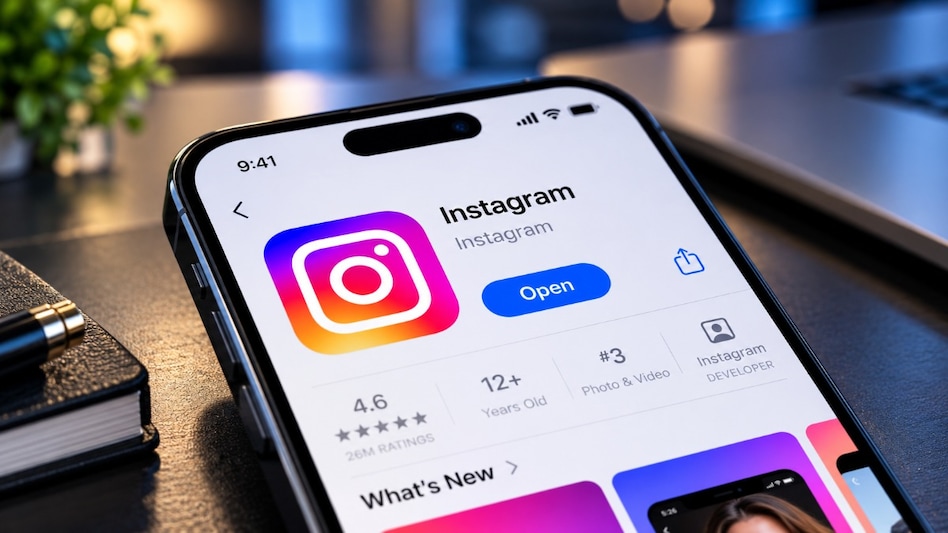
 Instagram’s long-form video push puts pressure on YouTube’s creator ecosystem.
Instagram is expanding beyond short-form videos with a new format that could change how creators distribute content and build audiences. The Meta-owned platform is testing videos of up to 90 minutes, opening the door to full-length podcasts, interviews, comedy shows, and other content traditionally associated with YouTube.
Called Features, the new format is part of Instagram’s broader effort to connect short-form discovery with longer viewing sessions. However, while the move brings Instagram closer to YouTube’s territory, questions around monetisation, accessibility and creator earnings remain unanswered.

 BT BIG STORY: B-school students are increasingly eyeing the start-up route even before their first job
 AI impact: Microsoft offers buyouts to 60,000 employees in India, US and other countries. Details here
 After Sashidhar Jagadishan, Anup Bagchi takes charge as HDFC Bank MD and CEO
 Maruti Suzuki Q2 earnings preview: Stock near 52-week low, here's what brokerages expect
 Netanyahu wanted to attack Iran before elections but Trump did not give the green light: Report
 Silver Prices Crash Over 50% From Peak | Is This The Right Time To Buy Before Wedding Season?
 ‘Yeh Dil Maange More’: Piyush Goyal On India’s Maritime Vision, Sagarmala And Seafarer Training
 Market Masters: Manish Sonthalia’s Wealth Creation Masterclass For Diwali 2026
 DCB Bank Q2 Results | CEO Praveen Kutty On Record Profit, Growth And Asset Quality
 Piyush Goyal’s $85 Trillion Trade Vision: 9 FTAs, 38 Nations and More Deals In The Pipeline

 BLS Polymers IPO opens today: Should you subscribe? Check price band, reviews, GMP & more
 BEML, BDL, HAL, BEL, MTAR shares rise up to 5%; Macquarie, Goldman Sachs, others pick top betsMaruti Suzuki Q2 earnings preview: Stock near 52-week low, here's what brokerages expect
 Paytm share price targets: What Bernstein, Goldman Sachs, Citi, UBS, Jefferies say ahead of Q2 concall
 SFC Environmental Technologies IPO opens today: Should you subscribe? Check ratings, GMP & more BLS Polymers IPO opens today: Should you subscribe? Check price band, reviews, GMP & more
 IPL 2027 auction: Mini-auction set for December 16 in Goa? All you need to know After Sashidhar Jagadishan, Anup Bagchi takes charge as HDFC Bank MD and CEOBEML, BDL, HAL, BEL, MTAR shares rise up to 5%; Macquarie, Goldman Sachs, others pick top betsNetanyahu wanted to attack Iran before elections but Trump did not give the green light: Report













