


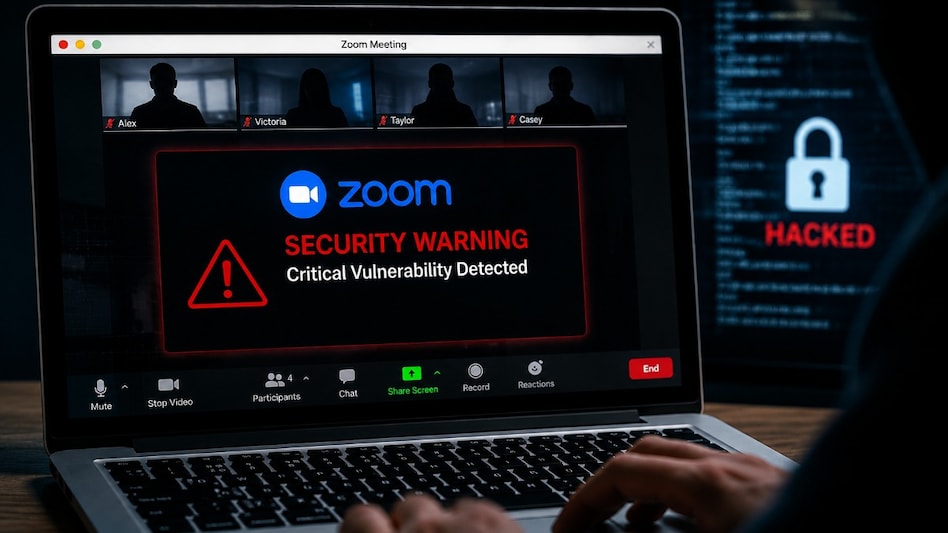
 A Zoom screen-sharing flaw could have allowed attackers to take control of devices remotely.
If you regularly use Zoom for work, webinars, or personal conversations, then you may need to think twice before sharing your screen. Researchers have found that a lesser-known part of the screen-sharing feature could have created a serious security risk for you.
The flaw was discovered in early June by researchers at digital defence firm A Security while using publicly available AI models to analyse Zoom's software. According to the researchers, it took fewer than 20 prompts to uncover the vulnerabilities and create a working attack.

 Ahead of Tata Sons AGM, N Chandrasekaran resigns as chairman, to complete his term
 TCS share price: Why IT stock tanked 5% within minutes; Chandrasekaran resignation & more
 Why MCX shares are up 3% today; what Jefferies, Morgan Stanley, JPMorgan say
 Are you a staunch Hindu, do you eat non-veg: Questions that made it to the interview for role of Ram Temple CEO
 'We wanted to build an Indian computer': HCL co-founder reminisces early days on its 50th anniversary
 AI At Scale: The New Infrastructure Mandate For India Inc.
 Blinkit Store License Suspended After Cockroaches, Expired Food Found During FDA Inspection In Mumbai
 Market Masters With Dinshaw Irani | Decoding Helios Flexi Cap & Mid Cap Funds
 Latest Tech News By AI Sana - Tech Gear EP 13
 India Market Rally: FPI Money Returns As Mid & Small Caps Outperform On Strong Earnings
 Sensex, Nifty tumble; Tata Group stocks slip after N Chandrasekaran's resignationTCS share price: Why IT stock tanked 5% within minutes; Chandrasekaran resignation & moreWhy MCX shares are up 3% today; what Jefferies, Morgan Stanley, JPMorgan say
 Horizon Industrial Parks IPO opens on August 17; check price band, issue size, key details
 Ardee Industries shares slip after strong listing; what investors should do
 Trump Breaks Silence On Secret Turkey Catering Truck Flight, Says Secret Service Warned Of Threat
 Rainwater Floods Noida Airport Parking Area, Video Goes ViralSensex, Nifty tumble; Tata Group stocks slip after N Chandrasekaran's resignation
 YouTube’s New Monetisation Rules: Why New Creators May Struggle To Earn
 LPG Aadhaar e-KYC deadline: Indane, Bharat Gas, HP Gas customers who miss it may need to pay more; All you need to know










