











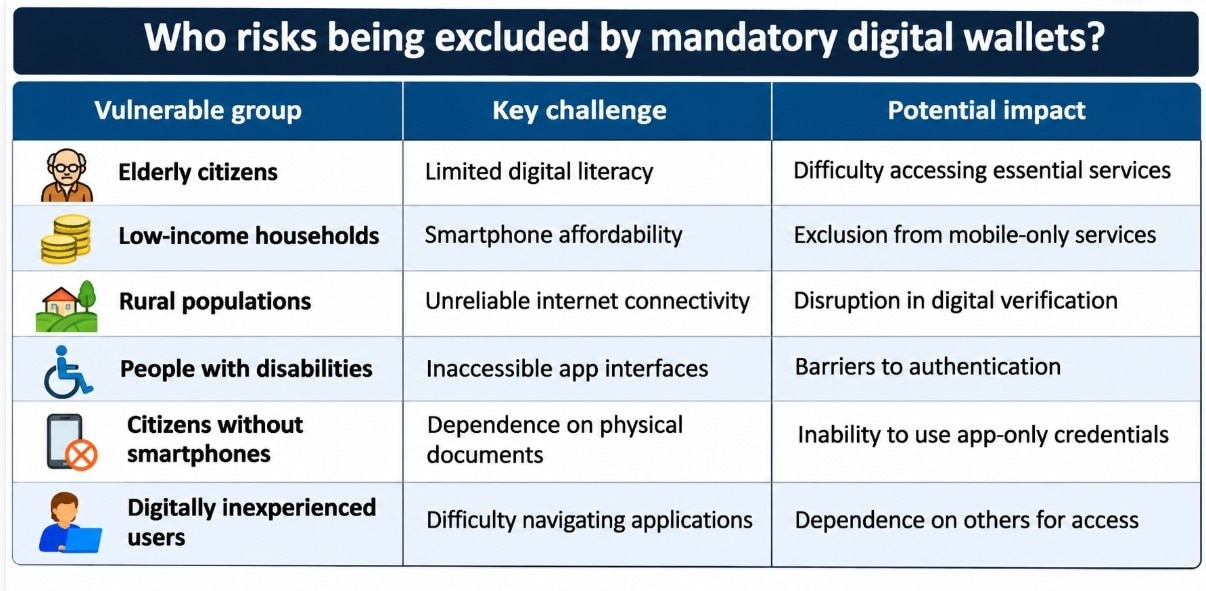



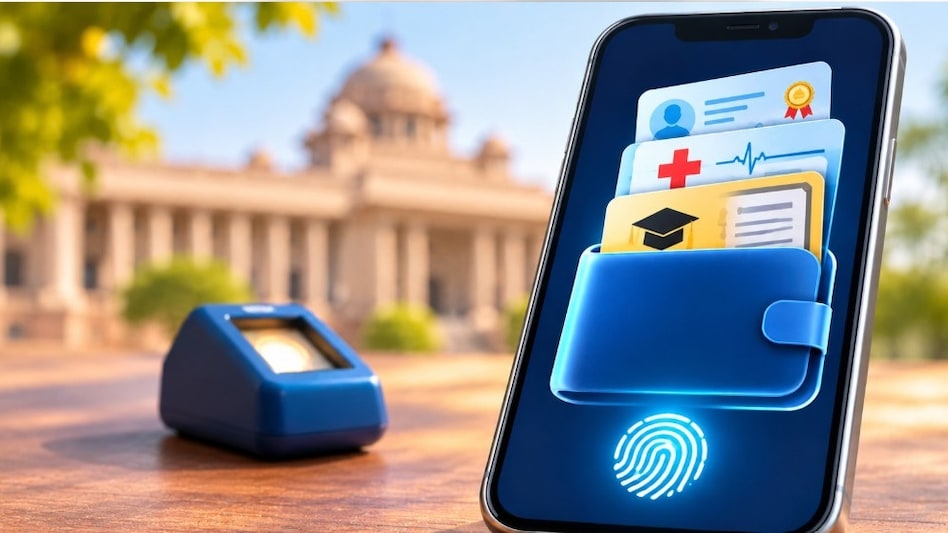
 The World Bank argues that digital wallets should improve access to services rather than become another barrier.
As governments increasingly digitise identity verification, welfare delivery and public services, the World Bank has raised an important concern: what happens to people who cannot afford smartphones, lack internet connectivity or struggle to use digital applications?
In its 2026 report, Digital Wallets: Implementation — Practical Guidance for Deploying Wallets at National Scale, the World Bank argues that digital wallets should improve access to services rather than become another barrier.

 Nvidia shares plunge after CEO Jensen Huang admits to affair, board launches spy probe
 PM Modi speaks with Zelenskyy, says India ready to help end Russia-Ukraine war
 HDFC Mutual Fund gets IRDAI nod to increase Star Health stake to 9.99%
 India's aviation boom faces its first reversal in a decade
 'Nothing but a smear campaign': China denies spy claims after Nvidia CEO Jensen Huang admits affair
 Exclusive | CM Yogi Adityanath Accuses SP Of Leaving UP With A ‘Law And Order Crisis’
 Who Is Alice Huang? The Woman At The Centre Of Jensen Huang-Nvidia Controversy
 Govt Slashes Prices Of 137 Cancer Drugs By Up To 96%: What Patients Need To Know?
 PSU Banks Set For Re-Rating? Deven Choksey Explains Two Key Triggers For Samvat 2083
 FIIs May Return To India: Which Sectors Could Attract Fresh Foreign Investor Buying Next?
 Nvidia shares plunge after CEO Jensen Huang admits to affair, board launches spy probe
 Honasa Q2: CLSA retains 'Hold' call, check target price post Q2 earnings
 NBCC shares up 19% since October 23; worth buying?
 Sansera Engineering shares rise up to 7%; Nomura, Goldman Sachs on future outlook
 Jubilant FoodWorks: CLSA cuts target price after Q2 results; stock tanks 5%
 Who could be Nvidia's next CEO? Jensen Huang reveals where he hopes to find his successor
 Dubai-inspired work from park project coming to Cyberabad, pilot launch expected in Jan 2027
 Can Nvidia survive without Jensen Huang? Bernstein flags major succession risk amid China spy controversy
 Mahatma Gandhi's global legacy: India has 278 streets named after him, Italy follows with 259
 Financial Horoscope Today, November 10, 2026: Libra Signs Will See an Increase in Income, Know the Situation of All 12 Signs


