


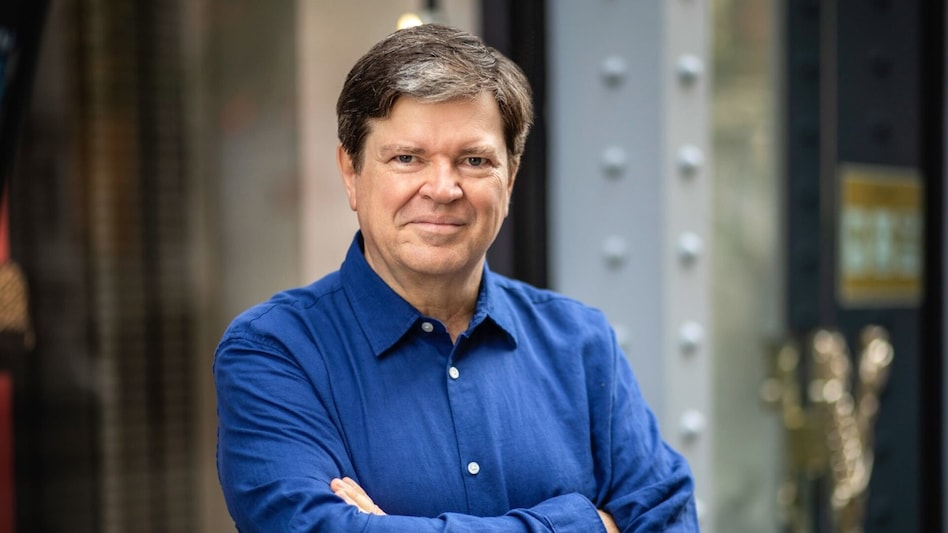
 Yann LeCun is one of the three "godfathers of AI."
US-based artificial intelligence (AI) startup Logical Intelligence has appointed Yann LeCun, former chief AI scientist at Meta, as the founding chair of its Technical Research Board, the company announced on January 22.
LeCun, one of the world’s most influential AI researchers and a Turing Award winner, left Meta late last year to launch his own startup, Advanced Machine Intelligence Labs, focused on building “world models” that can understand and navigate the physical environment. His decision to join Logical Intelligence signals a growing interest in alternatives to large language models for high-risk, real-world systems.

 NSE IPO fully subscribed on Day 2; QIB, NII quotas booked 1.3 times each
 Nestle faces FSSAI crackdown over baby food formula claims. What the regulator found
  Warren Buffett steps down as Chairman after 60 years: What changes at Berkshire Hathaway now
 Jefferies' Christopher Wood sees gold at $10,000 'sooner or later'; likes India's small, midcaps
 Satya Nadella highlights India’s AI talent, sees massive developer community emerging by 2030
 BTTV Exclusive | Jefferies’ Chris Wood On AI, US Bonds, Oil & India’s Market Outlook
 LIVE What’s Hot: Stocks, Gold & Big Money Moves | Daily Markets Show | September 17 | Business Today
 From NPAs To Infrastructure: CEA On How India’s Economy Has Changed Under PM Modi
  “PM Modi Is Architect Of Economic Policy”: CEA V. Anantha Nageswaran On India’s Growth Journey
 iPhone Sale Sparks Overnight Rush As Buyers Queue Across Delhi, Mumbai, Bengaluru
  Jefferies' Christopher Wood sees gold at $10,000 'sooner or later'; likes India's small, midcaps
 NSE IPO: Applying for short-term gains from share sale? Analyst says this
 STT collections jump 52.9% to Rs 40,214 crore in FY27 so far; key details
 Kaynes Technology stock needs breakout confirmation; Moschip preferred semiconductor pick: Analyst NSE IPO fully subscribed on Day 2; QIB, NII quotas booked 1.3 times eachWarren Buffett steps down as Chairman after 60 years: What changes at Berkshire Hathaway nowSatya Nadella highlights India’s AI talent, sees massive developer community emerging by 2030
 Teach judgement over technique to survive AI wave: CEA Nageswaran urges B-schoolsJefferies' Christopher Wood sees gold at $10,000 'sooner or later'; likes India's small, midcapsNSE IPO: Applying for short-term gains from share sale? Analyst says this












