


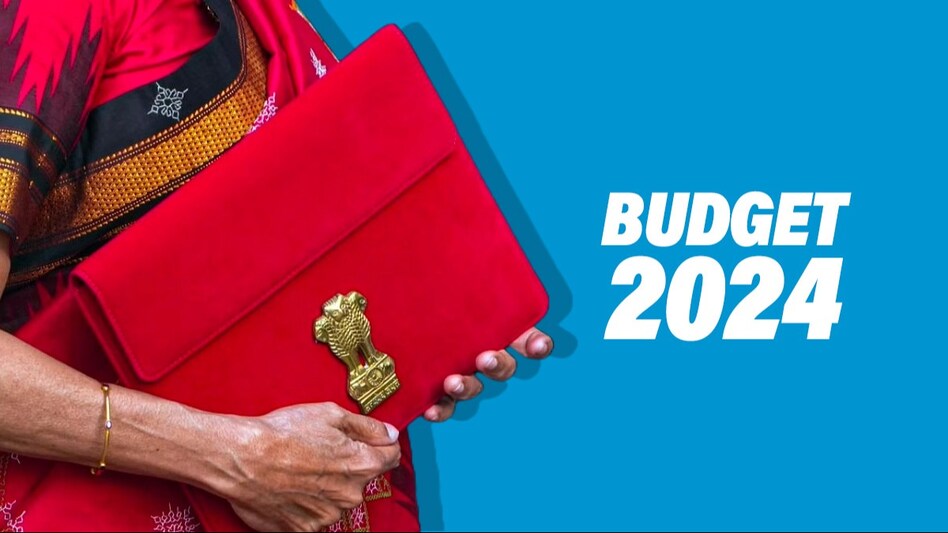
 Budget 2024: What the travel and hospitality industry expects
Interim Budget 2024: In order to boost domestic tourism, the travel and hospitality sector is expecting Finance Minister Nirmala Sitharaman, who will present the Interim Budget on February 1, to focus on boosting investments, enhancing infrastructure and relaxing visa norms for foreign tourists.
Vishal Suri, Managing Director, SOTC Travel said that they are advocating for a multi-pronged approach. Suri said that the government should coalesce the TCS rate on outbound tours into a single 5 per cent slab to reduce the advantage enjoyed by international rivals, remove deterrent to technology that comes in the form of the current TDS levied on automated bookings, expedite infra development such as the Udan Yojana and Vande Bharat routes, enhance connectivity to remote but viable tourism areas, and incentivise sustainable travel and tourism.

 BT Big Story: Why India Inc is warming up to non-English-speaking executives
  G20 Summit: PM Modi expected to travel to US; bilateral with Trump likely on the cards, say sources
 Tata Sons IPO battle: Why Shapoor Mistry has so much at stake
 India’s imports of Russian crude fell in August; could fall further in September: Report
 Google offers free AI Plus and AI Pro to university students: Here’s how to claim it
 Macro Volatility Vs Earnings: Why Earnings Matter More Than Valuations | Anshul Saigal
 India’s CDMO Opportunity: Anshul Saigal Spots Underappreciated Names
 IT Stocks Under Pressure: What Next For Indian Markets? | Chakri Lokapriya
 Karnataka’s Welfare Schemes Under Pressure As Finance Department Flags New Challenges
 Family Disputes Can Hold Businesses Back: Nirmala Sitharaman’s Message To Family Firms
 NSE may surpass Infosys, Titan, Kotak Mahindra Bank, HCL Tech in m-cap on market debut
  Adani Enterprises, Adani Total, Adani Green, Adani Energy, AWL Agri shares in focus today; here's why
  ESDS stock surges 302%, emerges as second-best new listing; stock that tops the list
 Finolex Cables, United Spirits, Black Box: Stocks to trade — Key levels, target prices & stop loss
 GIFT Nifty down 45 pts; Adani shares, Hero Motors, Persistent, IRB Infra, among top stocks in focus
 Asian Games 2026: R Madhavan's son Vedaant misses 200m freestyle final, Aneesh Gowda finishes fourth
 Law career to dog walking: How a 30-yr-old UK woman built a ₹50,000-a-day business
 Petrol, diesel prices today, September 23: Check latest rates in Delhi, Mumbai, Chennai, Kolkata & more
 IIT-B student death: Suryanaryana Doolla sent on leave, institute appoints 10-member panelNSE may surpass Infosys, Titan, Kotak Mahindra Bank, HCL Tech in m-cap on market debut












