


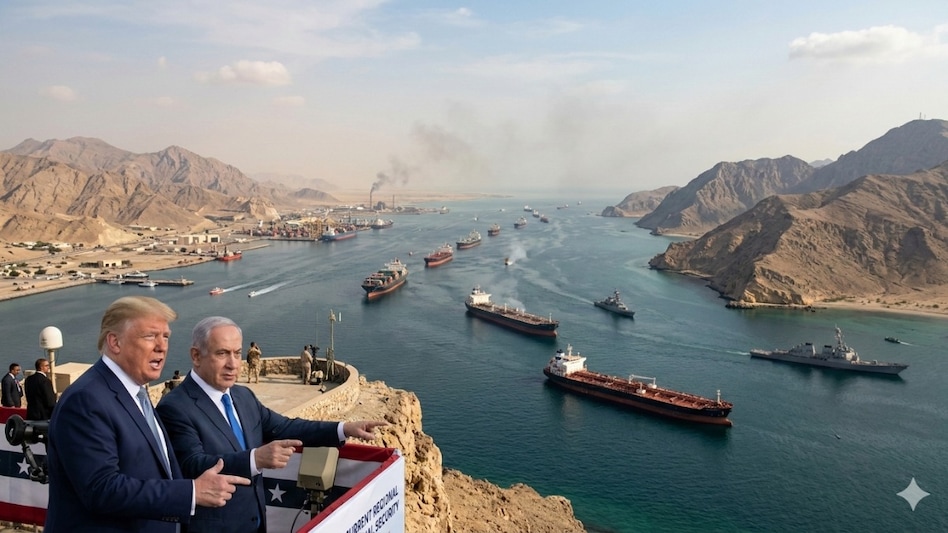
 Without this crucial "piece of paper," a multi-million dollar vessel is legally and financially unable to sail, turning a geopolitical standoff into a global logistics nightmare.
The Strait of Hormuz is often called the "world's jugular vein," and right now, that vein is under immense pressure. Following the recent escalation of hostilities—including coordinated strikes on Iranian infrastructure and retaliatory threats to close the waterway—global energy markets are on edge. But while the world watches the price of Brent crude, a quieter, more technical crisis is unfolding behind the scenes: the collapse of marine insurance.
As of March 2026, many major insurers have suspended "war risk" coverage for the Persian Gulf, leaving over 150 tankers stranded and effectively halting 20% of the world's oil supply. Without this crucial "piece of paper," a multi-million dollar vessel is legally and financially unable to sail, turning a geopolitical standoff into a global logistics nightmare.

 Who is Anup Kumar Saha, the new MD and CEO of Kotak Mahindra Bank?
 Moneyview shares deliver bumper listing gains; stock debuts at 64% premium
 Flydubai incident: PM Modi speaks to Captain Smit Machchhar's wife, parents, say sources
 BT BIG STORY: Why India's affluent seniors are the next big real estate bet
 Tata Trusts file caveat before charity commissioner amid Venu Srinivasan, Vijay Singh’s complaints: Report
 Mid-Small Cap Allocation: How Much Should Investors Hold In Their Portfolio?
 MSP: ‘Cost Plus 50%’ Principle Fully Maintained, Says Ashwini Vaishnaw
 Economy In Right Hands, Business Environment Very Positive: Nirmal Minda
 Nara Lokesh Exclusive: Why Andhra Pradesh Is In A Hurry To Build Its Data Centre Ecosystem
 KLM Steps Up SAF Push On India-Europe Route
 MRPL cuts processing rate at one CDU after fire damages refinery unit: Report
 Bajaj Auto shares slump over 8% after September sales data
 Fortis, Max, Apollo, Medanta, Manipal: Buy hospital stocks for 22-46% upside, says Jefferies
 Kotak Mahindra Bank share price: Why this stock rose 4% today after CEO announcement
 A-One Steels India shares make a decent stock market debut; shares list at 14% premiumMRPL cuts processing rate at one CDU after fire damages refinery unit: ReportFlydubai incident: PM Modi speaks to Captain Smit Machchhar's wife, parents, say sources
 OpenAI faces lawsuit over Hugging Face system breach incident: What you need to know
 How an Instagram reel led a Rajkot vegetable vendor to print counterfeit ₹100, ₹500 notes
 From fuel to hydration: Indian Oil to sell own-brand bottled water at 43,000 petrol pumps












