


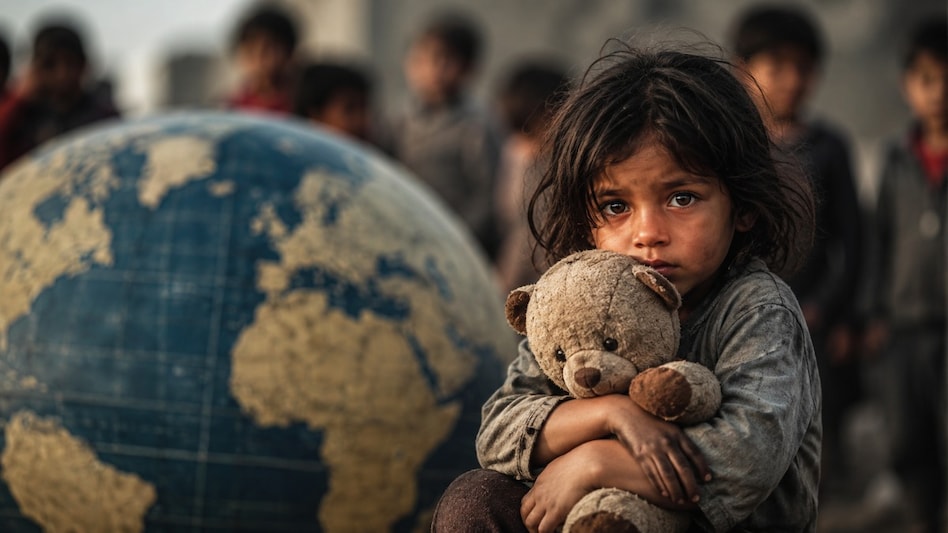
 The US recorded a child poverty rate of 21.1%, making it the fourth-highest in the ranking. (AI generated image)
Child poverty varies widely across OECD countries. In 2023, the share of children living below the poverty line ranged from 4.6% in Finland to 29.6% in Costa Rica, Visual Capitalist reported, citing OECD data.
The data covers children aged 0–17 and uses a relative poverty line, set at half the median household income of the total population. This means the figures show how children are doing compared with the income levels in their own country.

 RBI raises repo rate after nearly 4 years: Are more hikes coming? Here’s what economists say
 GST cuts insurance tax rates in 2025: A year on, consumers still await the full benefit in premiums
 Elon Musk says Starlink blocked by 'oligarchs' in India: 'You can guess who they are'
 Sensex, Nifty recovery attempt falters after RBI rate hike; is further caution warranted?
 RBI clears the air on new forex reporting rules: Framework does not apply to individuals
 Kotak Securities Rebrands Retail Business As Kotak Neo, Bets On Tech And New-Age Investors
 This Week In Cinema: Bokshi, Dongri, Other Mommy And More Hit Theatres This Week
 BT Golf Celebrates 27 Years Of Excellence With New Edition Coming Soon
 Amazon Demand From Tier 2, 3 Cities Ahead Of Great Indian Festival
 RBI Rate Hike Explained: Higher EMIs, Costlier Loans? What It Means For Your Money
 Nithin Kamath: ‘IPOs are a full-on party’ as 67% of recent listings trade above issue price despite market slump
 MobiKwik shares zoom 30% in three days; what analysts say on next move?
 Sebi asks Jane Street to respond after sharing trade data in market manipulation case: Report
 Shriram Finance, other housing finance stocks look attractive post RBI rate hike: ExpertSensex, Nifty recovery attempt falters after RBI rate hike; is further caution warranted?
 India tops Global Consumer Confidence Ranking 2026 with 66.9 score: Check full list here
 Indian students face tougher New Zealand visa rules as approval rate falls to 49.3%Elon Musk says Starlink blocked by 'oligarchs' in India: 'You can guess who they are'
 Helicopter crash claim stayed pending for 4 years: Chhattisgarh blacklists Oriental Insurance
 Congress calls nationwide protest on Thursday amid SIR controversy












