












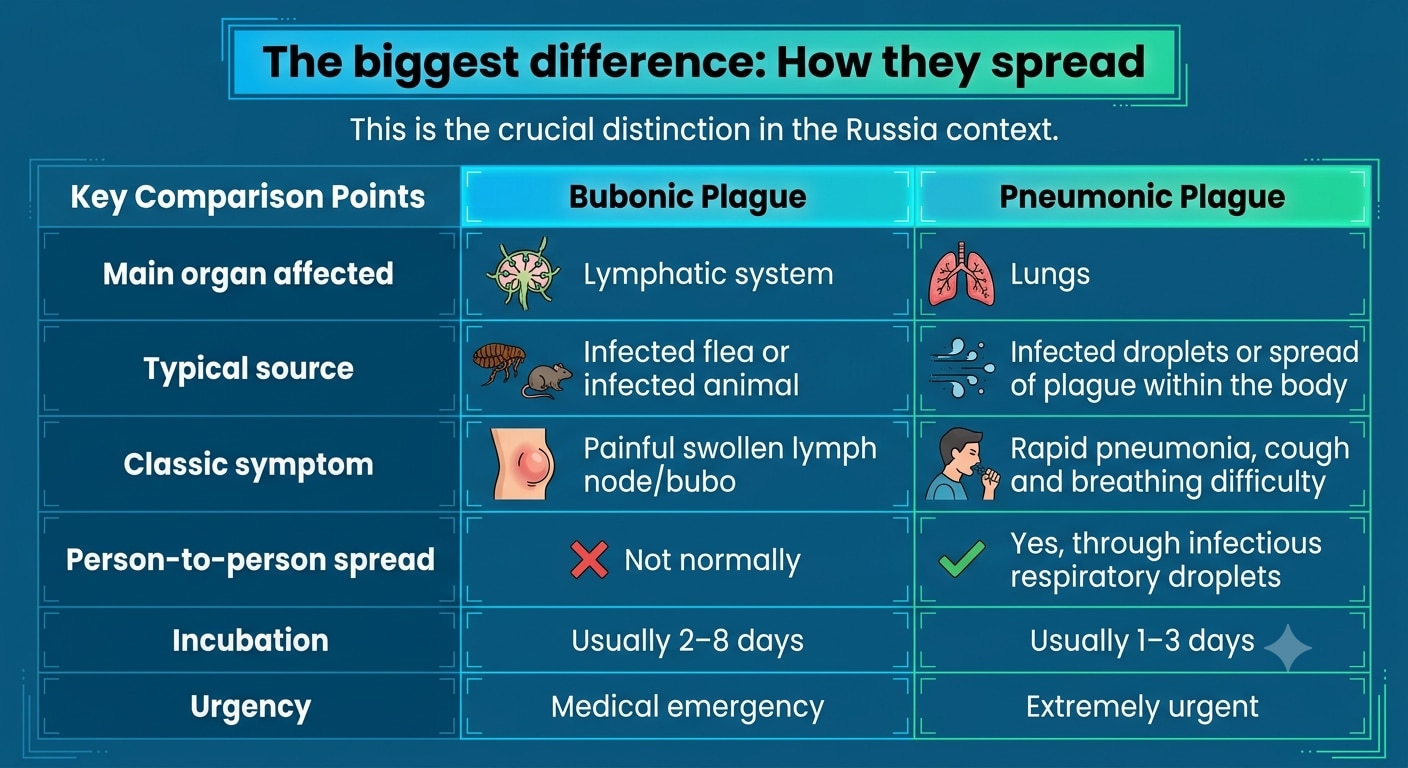


 The disease can progress extremely rapidly. Following inhalation of infectious droplets, symptoms can begin in as little as one day.
A mysterious death in Russia’s Siberian region of Irkutsk has triggered quarantine measures and contact tracing, reviving fears of a disease many associate with the medieval Black Death. The case involves a 28-year-old employee of an anti-plague research institute who developed severe pneumonia and died shortly after being hospitalised. Nearly 200 people have reportedly been placed under medical observation.
Russian authorities have so far stopped short of publicly confirming pneumonic plague as the cause of the illness. Reports have, however, pointed to a possible laboratory exposure involving Yersinia pestis, the bacterium that causes plague. The circumstances of the reported exposure have not been independently confirmed.
 BT Big Story: The two-year MBA is losing steam. What does it mean for you?
 Oil exports via Hormuz rebound to 80% of pre-war levels but Iran is losing its lifeline. Here's how
 Gold enters the pension portfolio: Why global funds are increasing allocations to the precious metal
 Global refining capacity is becoming a key factor in fuel-market security
 REIT payouts double to ₹3,136 crore: Is Indian commercial real estate becoming an income play?
 Gold Vs Silver: Which Should Investors Buy? Ajay Kedia Shares His 70:30 split Strategy
 Can You Sell Bonds Before Maturity? Liquidity, Exit & Penalties Explained
 Bonds Vs FDs: Are Bonds A Better Alternative For Higher Returns? Risks Explained
 Should You Buy Gold Now? Festive and Wedding Season Strategy Explained
 Direct Vs Regular Mutual Funds: Why the Right Advisor May Matter More Than 1% Cost
 GIFT Nifty down 102 points; HDFC Bank, TCS, YES Bank, Hindalco, RVNL, DLF among top stocks in focus
 Ola share price: Stock in focus as Bhavish Aggarwal pledges 4.32% stake; here's whyOil exports via Hormuz rebound to 80% of pre-war levels but Iran is losing its lifeline. Here's how
 Nvidia shares approach record high as AI optimism revives investor demand
 Sebi receives 20,000 comments on proposed CAS changes; framework to follow soonGIFT Nifty down 102 points; HDFC Bank, TCS, YES Bank, Hindalco, RVNL, DLF among top stocks in focusOla share price: Stock in focus as Bhavish Aggarwal pledges 4.32% stake; here's why
 Russia plague scare: Lab researcher dies, nearly 200 quarantined. What we know about the outbreak fears
 'Stock 3 days of food': London residents issued winter prep warning as El Niño raises polar vortex fears
 Quote of the Day by Anand Mahindra: 'You have to treat every day as a new challenge, and you have to remain paranoid, as they say'


