


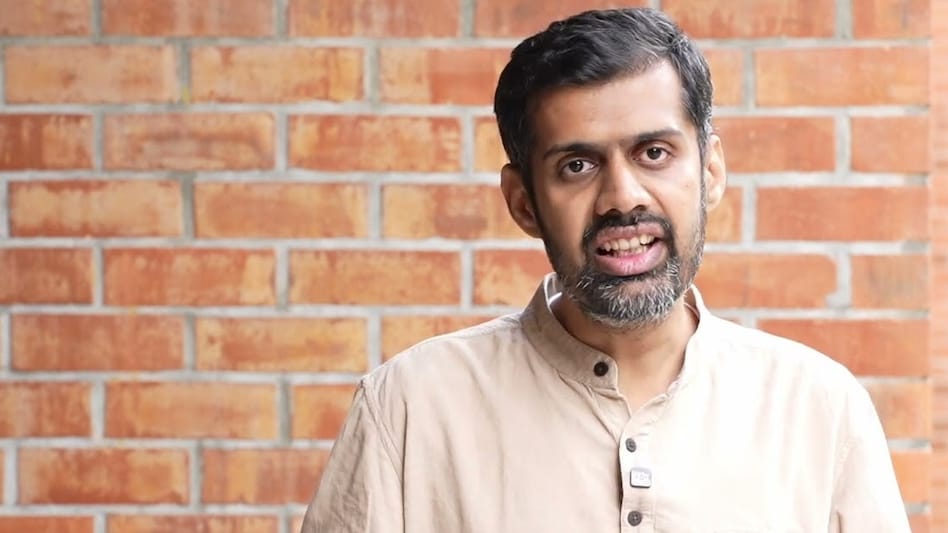
 IISc Bengaluru professor Prathosh AP
As artificial intelligence (AI) reshapes education and the future of work, IISc Bengaluru professor Prathosh AP has highlighted the importance of traditional Indian knowledge systems in developing critical thinking, logical reasoning and a sense of responsibility. He revealed that several students from the Indian Institutes of Technology (IITs), including high-performing Joint Entrance Examination (JEE) candidates, are studying Sanskrit and shastras under his guidance.
In a video shared on social media, the professor argued that the purpose of education should extend beyond securing admission to a prestigious institution, landing a high-paying job and accumulating wealth. According to him, studying traditional texts can encourage students to question established ideas, examine arguments and develop a deeper understanding of life.

 India may soon install 1 lakh rooftop solar systems every 4-5 days, says Pralhad Joshi
 TVS succession: A question of who gets what
 NSE Q2 results: Net profit jumps 23% to ₹2,578 crore, trading volumes lift revenue
 Odisha targets 74% non-fossil energy mix by 2047, bets on floating solar and storage expansion
 India deserves three national carriers, says Adani Airports CEO: Is Adani the answer?
 Is SIF Right For You? Strategy, Risk And Returns Explained
 India's Gold Demand Crashes 29%: Modi's Appeal, High Prices Hit Buying Appetite
 Trump’s Plan B: How White House Could Govern Without Congress | US Midterm Elections
 32,490 Trees At Risk? Maharashtra’s Saidongar Project Sparks Row
 From Wheat And Bajra To Chillies And Tomatoes: A Farmer’s Solar Experiment In Rajasthan

 IPOs delivered 21% average listing gains, but did investors actually make money?NSE Q2 results: Net profit jumps 23% to ₹2,578 crore, trading volumes lift revenue
 BLS Polymers, SFC Environmental shares zoom up to 81% in maiden trade
 India is a market for multibagger stocks, says Shankar Sharma; cautions against calling market bottom
 Upcoming IPOs: Over 20 issues may hit market soon after Rs 1.35 lakh crore fundraise in 4 monthsIPOs delivered 21% average listing gains, but did investors actually make money?
 India may need to spend 3% of GDP on climate adaptation, against 0.5% in rich economies: Report
 Ajinkya Rahane's wife Radhika purchases luxury apartment in Dadar for ₹13.96 crore
 Travelling to Indonesia? Beware of fake qr codes and online payment scams
 Gen Z wants more office days than millennials: Why younger workers are embracing the workplace












