


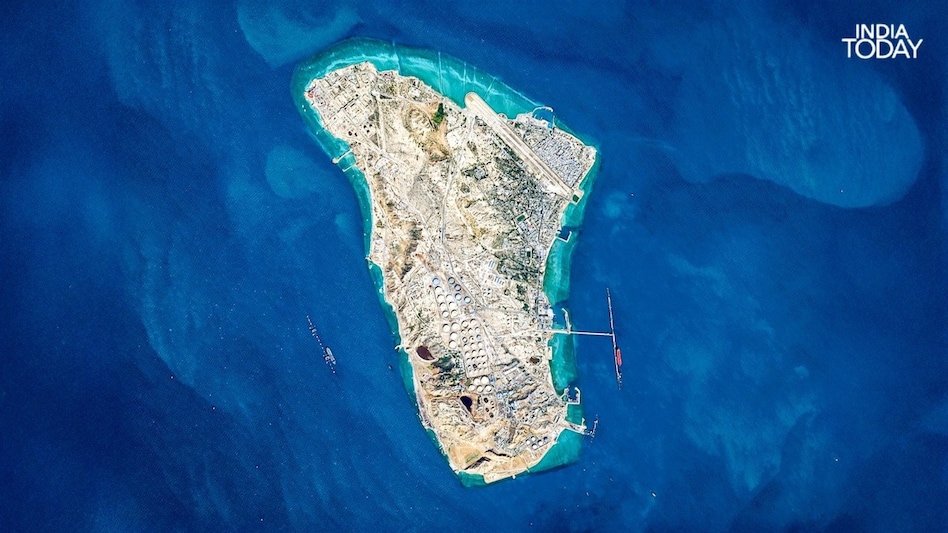
 Kharg Island, a small coral island located about 50 km off Iran’s mainland, is the country’s main oil export terminal and handles nearly 90% of its crude shipments.
The United States’ airstrikes on Iran’s Kharg Island have pushed the ongoing conflict into a more dangerous phase, raising concerns of a sharp spike in global oil prices as the attack targeted one of the most critical nodes in Iran’s export network. Energy analysts say the developments have increased the risk of supply disruptions in the Persian Gulf, especially as tensions around the Strait of Hormuz continue to escalate.
Kharg Island, a small coral island located about 50 km off Iran’s mainland, is the country’s main oil export terminal and handles nearly 90% of its crude shipments. The island has a loading capacity of roughly 7 million barrels per day and serves as the primary link between Iran’s oilfields and global markets. Because of its importance, the facility had largely remained untouched during earlier phases of the US-Israel military campaign.

 AI boom is helping offset oil shock, but global economy still faces risks, warns IMF
 Apple may manufacture iPads, MacBooks in India, but local components take priority
  Vedanta denies reports of stake sale in Vedanta Ltd, Vedanta Aluminium Metal or group companies
 Expired food, pests, foul smell: Posh Delhi hotels booked for BRICS summit under FSSAI lens
 Nepal flash flood: 105 Indians among 384 missing in Rasuwa; rescue operations underway
 YouTube, Insta Earnings Are Not Tax-Free: What Freelancers & Content Creators Must Know About Tax
 What’s Hot: Stocks, Gold & Big Money Moves | Daily Markets Show | August 26 | Business Today TV
 Nifty Rally Gets A Boost From Falling Oil: Vaishali Parekh On What Comes Next
 IIT Delhi Protests Over Student Death As Students Demand Accountability And Independent Probe
 How This Fund Manager Turned ₹1 Cr Into ₹7.6 Cr | Abhay Agarwal On Beating The Market by 8.8% A Year
 Tata Capital shares: Nuvama ups target price; says Tata Motors Finance drag largely behind
 ICICI Prudential AMC: Promoter Prudential to sell 2% stake; stock slips
 Adani-backed Cemindia Projects may raise up to Rs 5,000 crore through QIP: Report
 Why did Sensex, Nifty erase gains to settle lower today?
 Piper Serica exits CDSL, CAMS shares; adds Gland Pharma, Astra Microwave
 India to divert 3.5 lakh tonnes of export sugar to local market as prices surgeTata Capital shares: Nuvama ups target price; says Tata Motors Finance drag largely behind
 ADB chief economist somewhat optimistic of Indian growth driversYouTube, Insta Earnings Are Not Tax-Free: What Freelancers & Content Creators Must Know About Tax
 Jio Financial’s ‘full-stack’ strategy: From payments to loans, investments and insurance












