


 Trump described the conflict as a "bloodbath," with approximately 5,000 soldiers reportedly dying each week, and noted that the war is not of US origin.
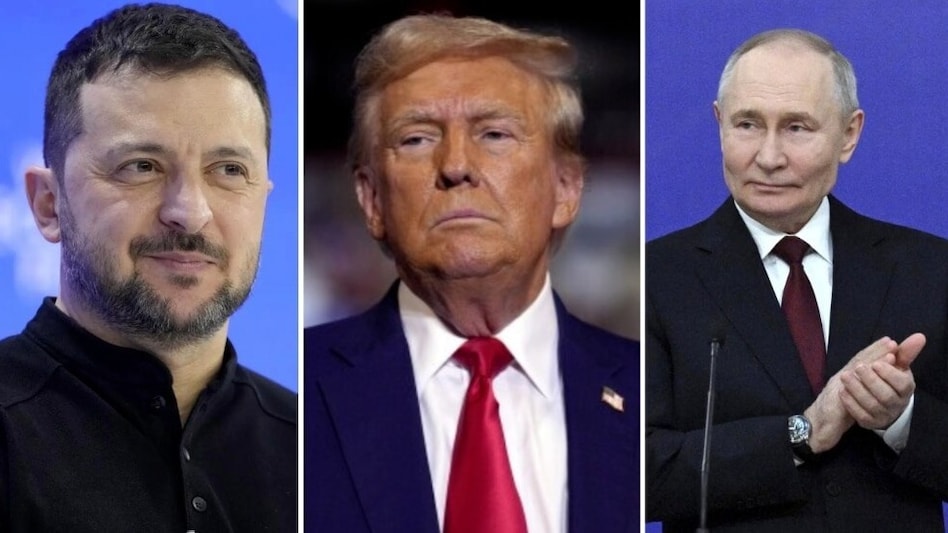
US President Donald Trump announced on Monday that Russia and Ukraine are set to begin immediate talks aimed at achieving a ceasefire. This development comes after a two-hour call with Russian President Vladimir Putin. Despite this announcement, the Kremlin indicated that any concrete agreement may take time to materialise.
Trump described the conflict as a "bloodbath," with approximately 5,000 soldiers reportedly dying each week, and noted that the war is not of US origin.

 Trump says shelved Iran strike would have been 'biggest since WW2'; diplomacy talks begin today
 Nifty, Sensex, Nifty Bank outlook for today: GIFT Nifty up 170 points; key levels to watch
 Adani Power, DLF, Bajaj Finance: Stocks to trade — Key levels, targets, stop loss & more
 Edelweiss Nifty REITs & Realty Index Fund: This won't get equity tax benefits -- here's how gains will be taxed
 The ₹2.5 crore mistake most investors make isn't choosing the wrong stock — it's starting 10 years late
 Why Are I.T. Stocks Returning To PMS Portfolios? Expert Explains The Value Opportunity
 Buying Term Insurance? Never Hide These Health Details Or Risk Your Claim Being Rejected
 India’s Logistics Game Is Changing: The Big Infra Push Explained
 Active Vs Passive Mutual Funds: Which Gives Better Returns For SIP Investors?
 IRFC CMD Manoj Kumar Dubey Reveals Top Funding Priorities Beyond Railways & IRFC 2.0 Vision
 SBI, Bharti Airtel, ICICI Bank, Eternal, Bajaj Finance shares among MOFSL's top Nifty betsNifty, Sensex, Nifty Bank outlook for today: GIFT Nifty up 170 points; key levels to watchAdani Power, DLF, Bajaj Finance: Stocks to trade — Key levels, targets, stop loss & more
 Top stocks in news: Maruti Suzuki, ITC, Cola India, BEL, Nalco, ZEEL, Lupin, CDSL, autos
 Astra Microwave shares: Analyst on what should investors do post rally in defence stock
  Gold, silver prices today (Aug 3): Delhi, Mumbai, Hyderabad gold rates steady; silver climbs over 1%SBI, Bharti Airtel, ICICI Bank, Eternal, Bajaj Finance shares among MOFSL's top Nifty bets
 Accidental Death Benefit Rider: Who should consider this term insurance add-on?Trump says shelved Iran strike would have been 'biggest since WW2'; diplomacy talks begin todayEdelweiss Nifty REITs & Realty Index Fund: This won't get equity tax benefits -- here's how gains will be taxed










